
Dongfeng will showcase a 350 Wh/kg battery in October. Vehicles equipped with it are set to launch in the fourth quarter.
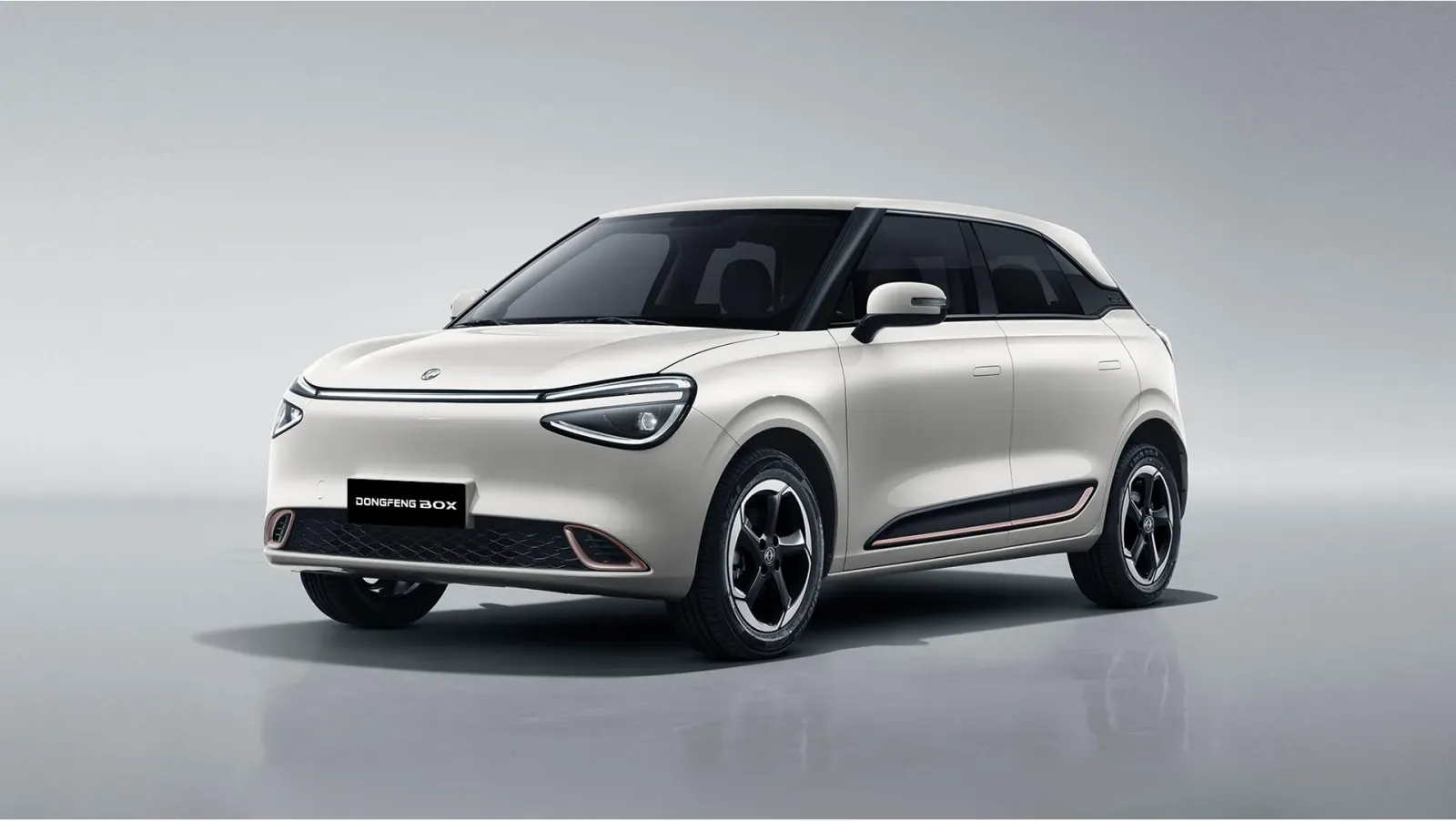
Dongfeng announced that it will unveil its own solid-liquid hybrid battery with an energy density of 350 Wh/kg in October 2026, and begin installing it in mass-produced vehicles in the fourth quarter of 2026. The timeline was provided by the company’s vice president, You Zheng, during an industry forum on September 9.
On paper, this seems impressive, as it represents roughly twice the level of energy density compared to typical LFP cells. However, the mere change in terminology says a lot about the current stage of this technology.
It’s no longer “solid-state,” but a solid-liquid hybrid
Dongfeng previously referred to this battery pack as a solid-state battery, but now calls it a solid-liquid hybrid battery. In practice, this refers to what is increasingly being termed “semi-solid cells” in China, to distinguish them from the ultimate goal of fully solid electrolyte batteries.
The claims are ambitious. The manufacturer talks about a range of over 1,000 km on a single charge, but without specifying the testing cycle. It’s the classic caveat: 1,000 km sounds great, but in real-world driving conditions, the actual range is usually less.
Dongfeng also provides several test parameters. The battery was supposed to pass a thermal chamber test at 170 degrees Celsius, while the Chinese requirement is 130 degrees Celsius. At -30 degrees Celsius, it was expected to retain over 72 percent of its energy.
In winter, the company tested vehicles with this battery on a route from Wuhan to Mohe in Heilongjiang province. More than 70 tests were conducted at temperatures between -40 and -30 degrees Celsius.
The pilot line is already in operation, but full solid-state versions will come later
Dongfeng’s pilot production line with a capacity of 0.2 GWh began operations in June 2025. For now, the goal is to conduct demonstration deployments. By the end of this year, the manufacturer plans to release 100 prototype vehicles equipped with this battery, and by 2027, deliver 50,000 cars with its own batteries of this class.
The second timeline is worth noting. Dongfeng does not expect true all-solid-state batteries to enter limited production until around 2030, with widespread adoption not coming until about 2035. This sounds much more realistic than the marketing claims of “soon.”
The company is also working on an all-solid-state battery with a density of 350 Wh/kg and fast charging capabilities, as well as sulfide-based all-solid-state cells with a density of 500 Wh/kg. However, these are still in an earlier development stage compared to the product slated for use in vehicles by the end of 2026.
Dongfeng isn’t alone in this effort. FAW’s Hongqi brand unveiled its first prototype vehicle with a solid-state battery this year. Chery aims to release its own solid-liquid hybrid batteries in the fourth quarter of 2026, with full solid-state vehicle tests scheduled for 2027. CATL and BYD are more cautious, mentioning only small fleet deployments by 2027.
For European drivers, this is currently more of a lab and pilot project development rather than an indication of an official market launch. Who do you think will bring this technology to actual sales faster: Dongfeng, Chery, CATL, or BYD?
LovEV Newsletter
Want more content like this?
Sign up — we’ll send you a weekly summary once the newsletter starts.