
Dongfeng plans to produce solid-state batteries within a few months. Energy density of 0.35 kWh/kg, quite quite low
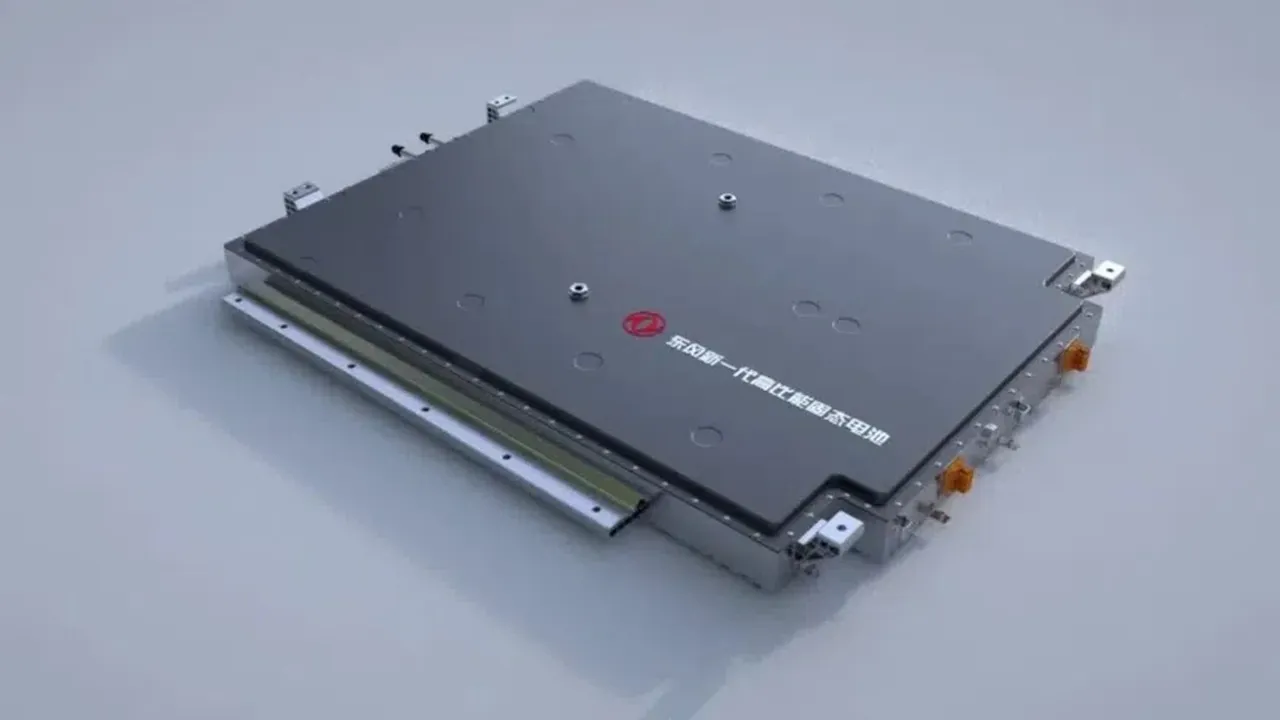
Quantumscape has been working on solid-electrolyte cells for years—long enough that even the oldest mountaineers don’t remember when this experiment began. Meanwhile, China’s Dongfeng (including brands like Voyah, M-Hero, and Forthing) plans to start mass-producing solid-state cells in the second half of 2026 and begin using them in its electric vehicles at that time. Their energy density is expected to be 0.35 kWh/kg, slightly higher than that of Li-ion cells with liquid electrolytes—but still lower.
Dongfeng aims to be first with solid-electrolyte batteries
The Chinese are in a constant race. They compete to design the internal combustion engine with the highest thermal efficiency, also striving to create the battery with the greatest capacity and to be the first to use solid-electrolyte cells. Currently, Dongfeng is at the forefront of these announcements, promising to begin mass production of solid-state cells in the second half of the year and start integrating them into electric vehicles around the same time. We can expect this to apply to their most expensive brands, such as M-Hero or Voyah.

Voyah Dream, electric minivan (c) Voyah / Dongfeng
The article discusses CarNewsChina for Hubei province’s government newspaper (China). Under such circumstances, it’s highly unlikely that Dongfeng “made a mistake” by announcing solid-state electrolyte cells while “accidentally forgetting” about the liquid phase. The Chinese government has established clear terminology to distinguish cells with solid electrolytes from those that contain some or more liquid. Moreover, the article published in the government outlet is clearly enthusiastic, beginning with a description of a scenario where a battery is compressed to half its original volume yet still functions, as this is reportedly how the manufacturer tests its latest battery packs.

The new cells are said to have an energy density of “up to 0.35 kWh/kg” and are reportedly set to be put into industrial production this year. With these cells, electric vehicles will achieve over 1,000 CLTC units, which is roughly equivalent to about 800 WLTP range units. This isn’t a shocking figure, as the BMW iX3 with batteries based on conventional cells already exceeds 800 CLTC units. However, it should be noted that the energy density promised by Dongfeng isn’t significantly higher than what current energy cells achieve (i.e., those optimized to store as much energy as possible). On the other hand, the aforementioned range is achieved with a battery that is 30 percent lighter.

The solid electrolyte in the cells tested by Dongfeng does not catch fire when the cell is damaged. The manufacturer reportedly tests them at 170 degrees Celsius, well above the ignition threshold of liquid electrolytes in modern Li-ion cells. The description indicates that the solid electrolyte used is composite, polymer-oxide based, which facilitates use of existing production lines, but... this is the first public announcement of this kind, as this approach was previously considered temporary or not particularly promising.

Solid-state batteries during winter tests at -30 degrees in the Dongfeng Yipai model. Early solid electrolytes could function at room temperatures, but failed in cold conditions (c) Dongfeng

Dongfeng's solid-state battery (c) Dongfeng, source: Hebei.gov
Article rating
Readers' rating
[Total: 5 votes Average: 4.8]
Don’t miss new content — CLICK and FOLLOW Elektrowoz.pl on Google News. You might also be interested in the following ads: