
By the end of 2027, over 40 new models – Mercedes isn’t betting everything on just one thing
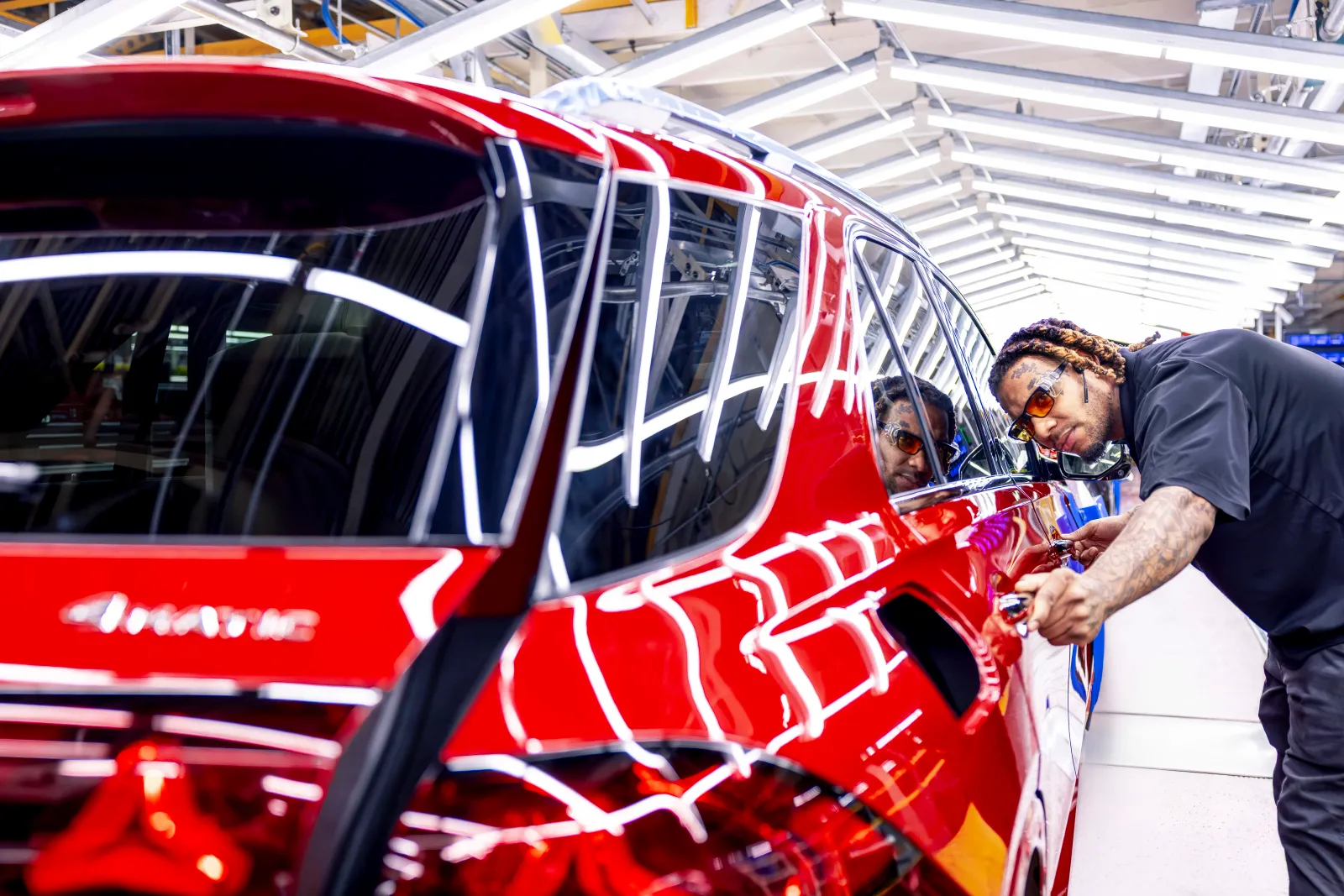
By the end of next year, over 40 new Mercedes models will hit the market, including those with electric powertrains. New platforms, the proprietary MB.OS software, next-generation batteries, and technologies derived from Formula 1 will play a key role. In the third quarter of this year, the company saw weaker sales in China, but results in Europe and the U.S. are encouraging.
Topics covered:
Why Mercedes does not intend to rely solely on electric cars for its future
What technologies will appear in the next generation of the German brand’s models
What semiconductor batteries and the new 800 V architecture can bring
The company offsets weaker sales in China with successes in Europe and the U.S.
Mercedes and over 40 new models and variants on the way
The Stuttgart-based company is preparing a substantial model offensive. By the end of 2027, the manufacturer plans to introduce over 40 new vehicles while advancing electric, hybrid, and internal combustion engine technologies. The company emphasizes that this strategy does not involve choosing a single solution for all markets and all customers.
“Rather than focusing on one powertrain technology, Mercedes-Benz intends to offer a mix of fully electric and hybrid vehicles across its entire model range,” the manufacturer states in materials outlining its new development strategy.
One vehicle, multiple technologies
According to Mercedes, the starting point for designing new powertrains is not technical assumptions but the actual needs of users. Engineers analyze factors such as acceleration, towing trailers, highway driving, and climbing hills. Only afterward do they select appropriate parameters for engines, control systems, and transmissions. The company emphasizes that steering, braking, and suspension systems are also being developed in parallel with the powertrains. This is intended to ensure the brand’s signature combination of comfort, driving precision, and performance regardless of the type of powertrain.
A key component of this ecosystem will be the Mercedes-Benz Operating System (MB.OS). It is a new software architecture that integrates the vehicle’s core functions and enables their updates. According to the manufacturer, the system is designed to guarantee a consistent driving experience across different models and powertrain types.
Platforms That Will Reduce Costs and Accelerate Development
Modular platforms will play a key role in the coming years. For internal combustion and hybrid vehicles, Mercedes is developing the FAME (Family of Modular Engines) family, which includes both gasoline and diesel engines that work in conjunction with hybrid systems.
The engines utilize an integrated starter-generator, aluminum blocks, and technologies to reduce internal friction. Thanks to their modular design, these same solutions can be applied to both the compact GLA and the flagship S-Class. Electric vehicles are also being developed with equal intensity. The manufacturer draws on the experience gained from the VISION EQXX project, which served as a laboratory for energy efficiency. The solutions developed under this program are intended for use in upcoming generations of the CLA, GLA, GLB, GLC, and C-Class models.
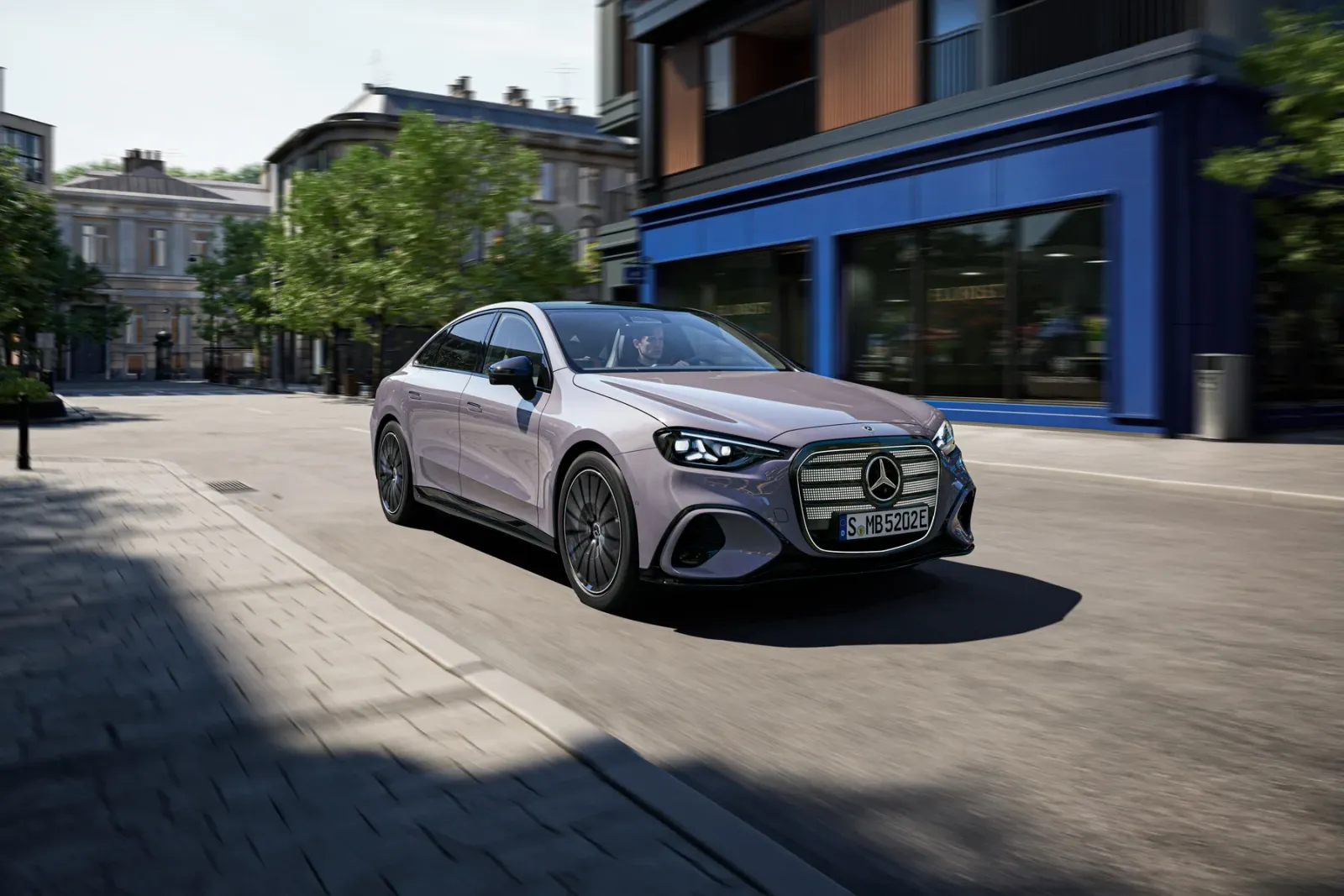
800 V architecture and proprietary electric drive
German PR specialists also announce the expansion of the 800 V architecture to additional market segments, including future E-Class and S-Class models. This approach enables higher charging capacities and reduces energy losses during transmission. One of the most important components of the new generation of electric vehicles will be the independently developed EDU 2.0 drive system. The system utilizes silicon carbide components and a two-speed gearbox to improve both performance and energy efficiency.
As the manufacturer emphasizes, the goal is not merely to achieve better laboratory results. The new drive system is intended to provide a favorable balance between dynamics and energy consumption during everyday use.
Future batteries are getting closer
A large portion of the company’s investments relates to energy storage. Mercedes is working on new chemical compositions for batteries that aim to reduce the use of cobalt and nickel while maintaining high energy density. The company places particular hope in LNMO (lithium-nickel-manganese) technology. According to the manufacturer, batteries of this type could potentially offer up to 30 percent more range than LFP batteries at comparable weight and size. However, Mercedes notes that this is currently a development goal, and the final specifications will depend on the battery design and integration with the vehicle.
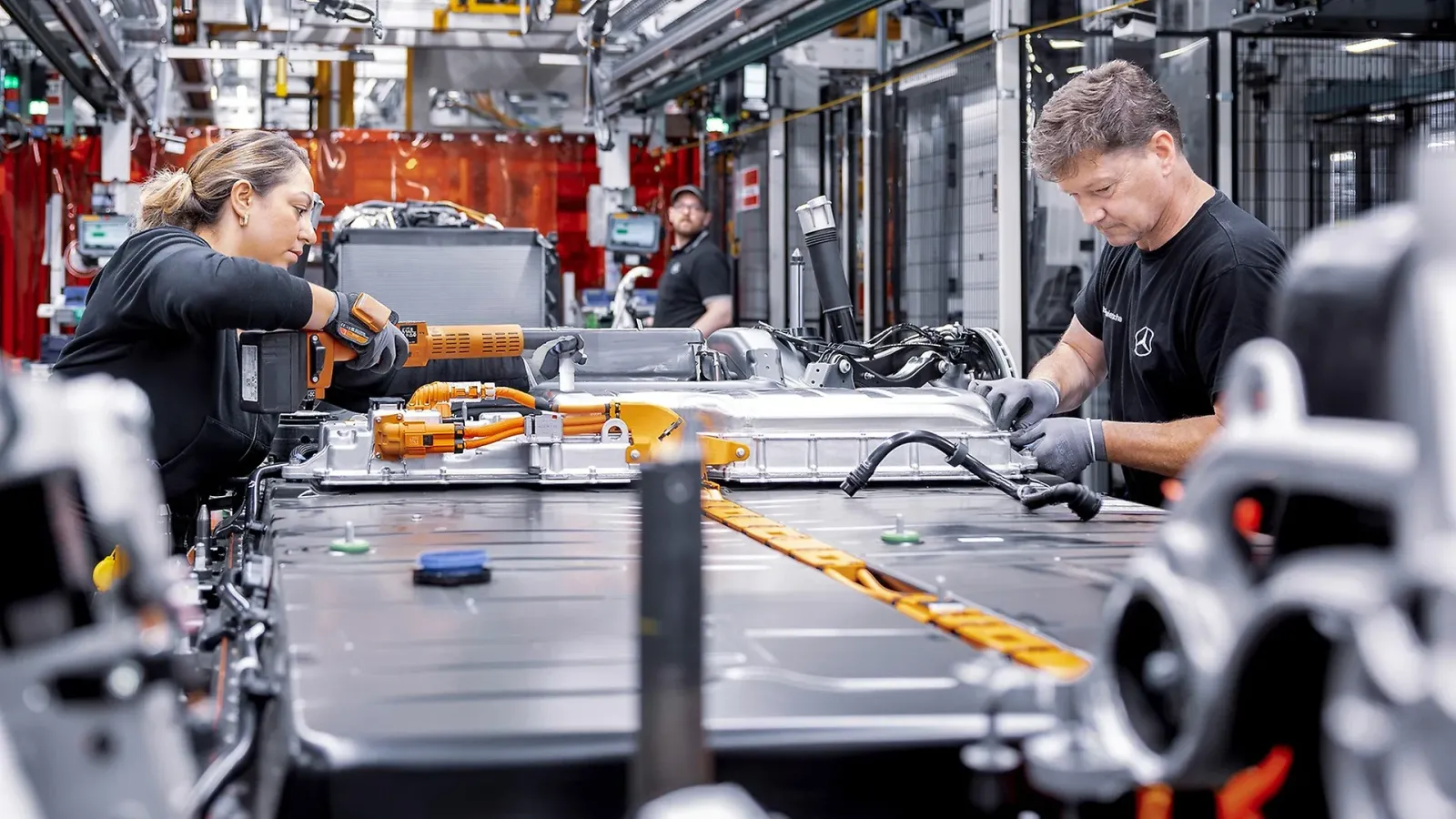
Semiconductor batteries arouse even greater excitement. In collaboration with Factorial Energy, the German company conducted tests on a prototype EQS equipped with a lithium-metal semiconductor battery. The vehicle traveled 1,205 kilometers between Stuttgart and Malmö without needing to recharge along the way, according to the manufacturer.
Mercedes emphasizes, however, that this was a development vehicle, and the results should not be seen as an indication of the range of the production EQS model. Nevertheless, the test demonstrates the potential of this technology, which could increase energy density and improve battery safety in the future.
Formula 1 on the roads
The advancement of electric mobility does not mean giving up on improving internal combustion engines. Mercedes leverages the expertise of Mercedes-AMG High Performance Powertrains, the division responsible for Formula 1 engines.
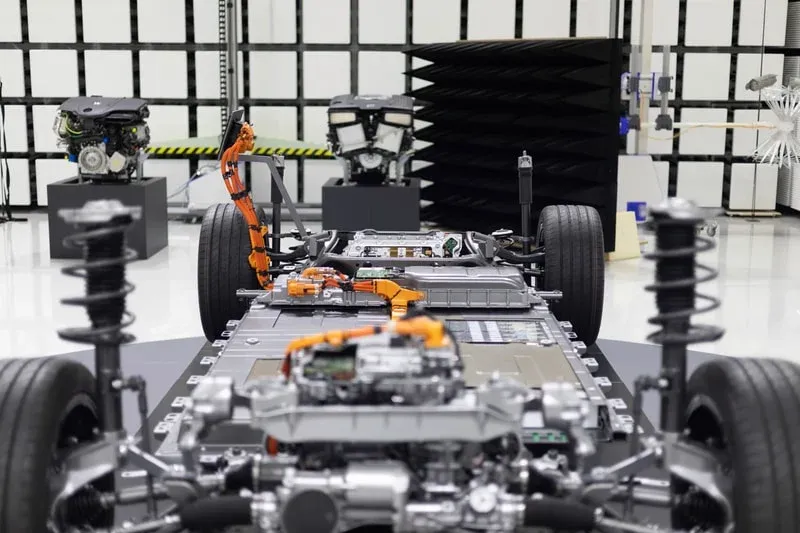
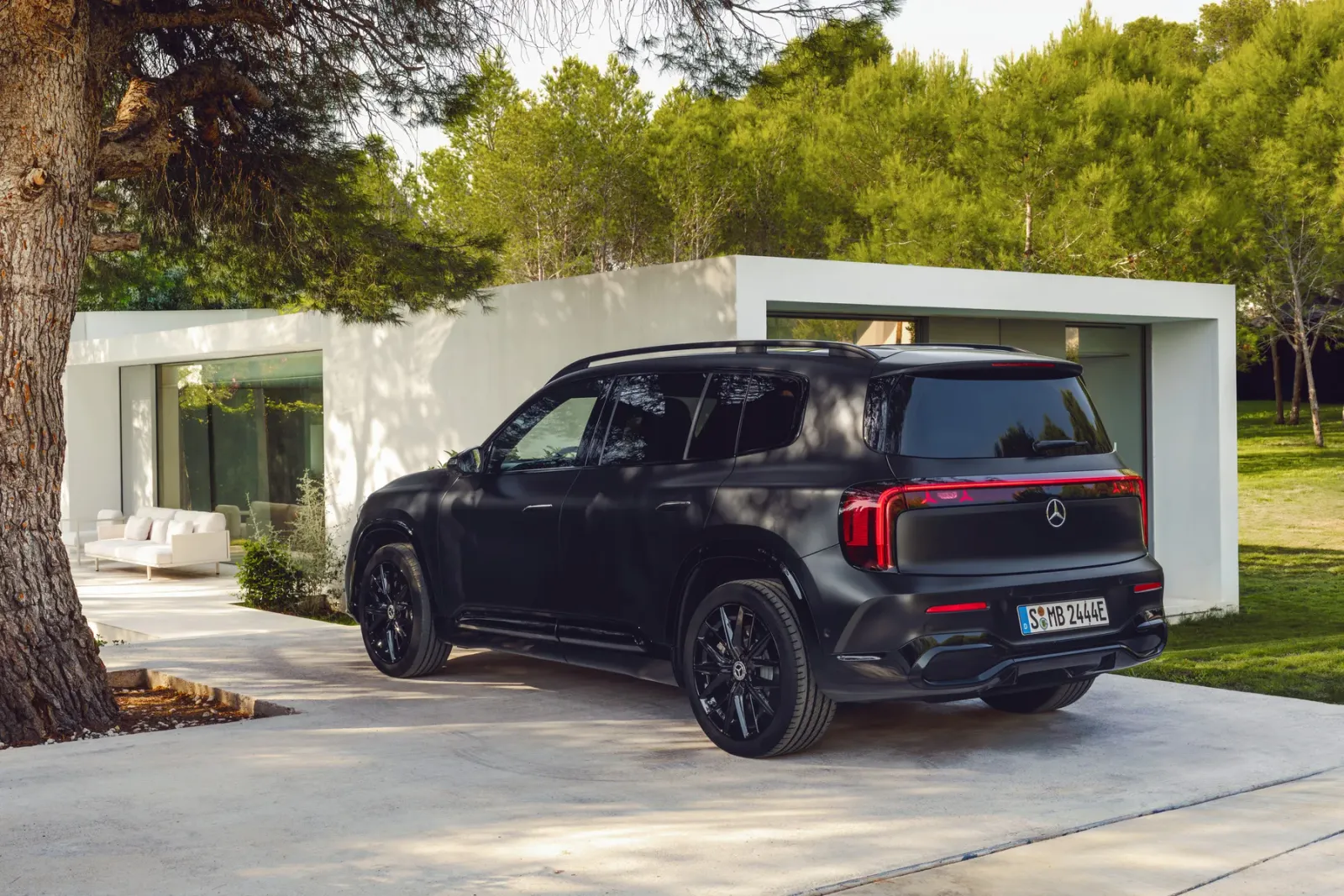
An example is the new M 252 LS gasoline engine, equipped with an electrically assisted turbocharger powered by a 48 V system. This solution was developed based on experience gained in motorsport. According to the manufacturer, in the GLB 250 model, the new engine reduces acceleration time by about 0.1 seconds compared to the previous version, while simultaneously cutting CO₂ emissions by around 17 percent. The electric turbocharger is designed to improve response to throttle input and reduce the so-called turbo lag.
Record BEV sales
The German manufacturer maintains strong demand for new models, as evidenced by the BEV segment. Sales of these vehicles rose by 61% year-on-year, reaching a quarterly record. Total sales outside China are increasing, driven by Europe (+5%) and the US (+6%). In the third quarter of this year, the global share of BEVs reached a record 16.8%. Fully electric vehicles and plug-in hybrids together accounted for 25% of global passenger car sales, according to the premium German manufacturer.
– The ongoing growth in sales in Europe and the U.S., along with record numbers for fully electric vehicles, shows that our new models are reaching our customers. At the same time, market conditions have become even more challenging over the past year, especially in China. Stringent cost discipline and strong earnings from Mercedes-Benz Vans and Mercedes-Benz Financial Services help us weather these headwinds. Our healthy balance sheet allows us to continue investing in our future. We are implementing our model offensive in a focused manner,” said Ola Källenius, CEO of Mercedes-Benz Group AG, recently during the presentation of third-quarter results.
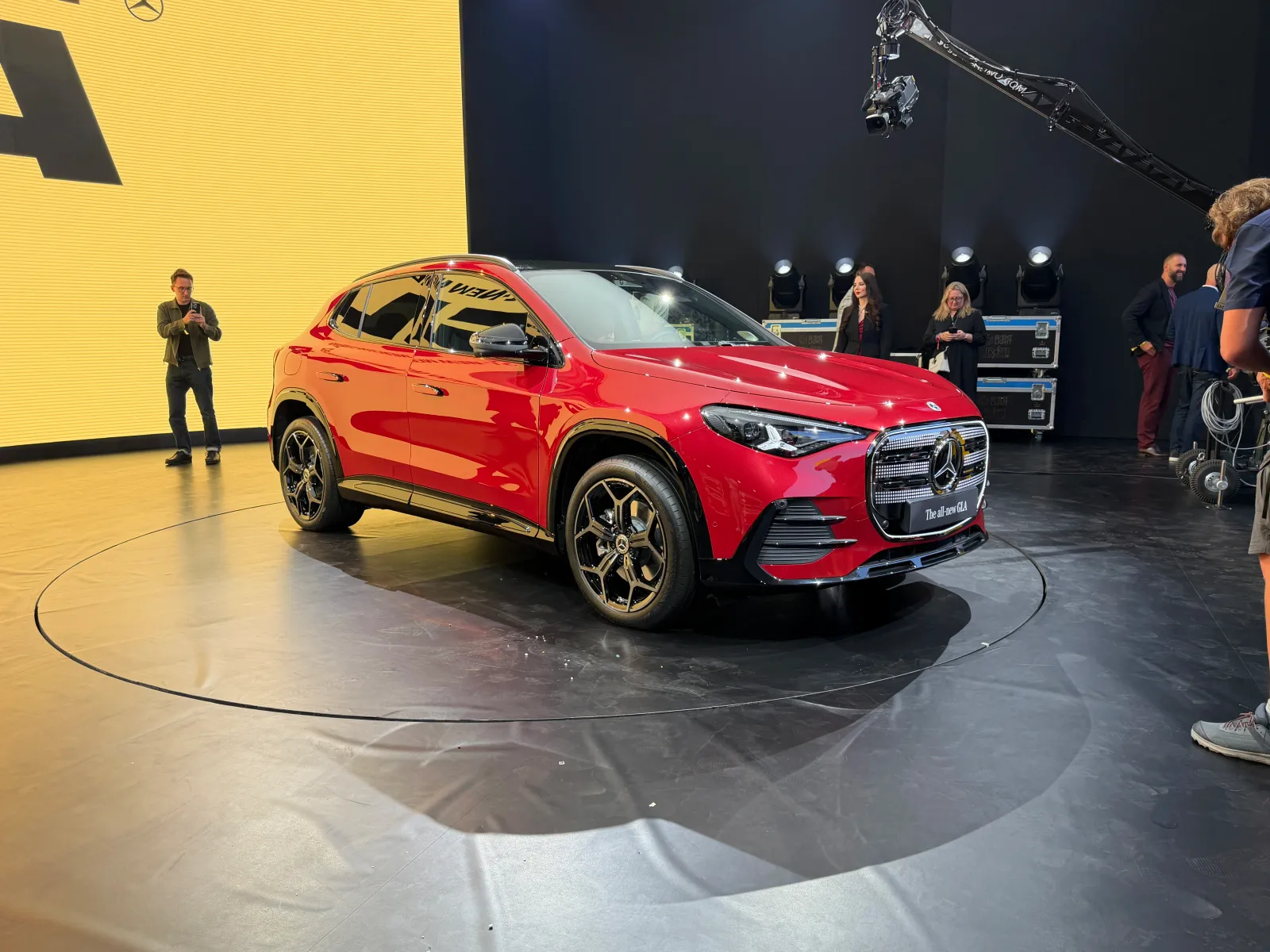
Mercedes-Benz Cars sold over 407,000 vehicles in the third quarter (441,500 cars were sold in Q3 2025). The company notes that the 8% decline is mainly due to tough market conditions and fierce competition in the Chinese market.
Conclusion? Evolution rather than revolution
The company does not intend to tie its future to a single technology. It is simultaneously developing electric vehicles, hybrids, and modern combustion engines, viewing them as responses to diverse customer expectations and varying rates of transformation across different markets. We will watch to see how the manufacturer carries out its planned investments. A strategy based on a diversified portfolio of models and powertrains is certainly advantageous from the customer’s perspective, but it is also capital-intensive for any manufacturer, as Volkswagen learned the hard way. Will it prove profitable for Mercedes in the long run? Time will tell.
Oskar Włostowski