
Ten years after its failure, this Chinese automaker is returning to produce electric cars in Europe
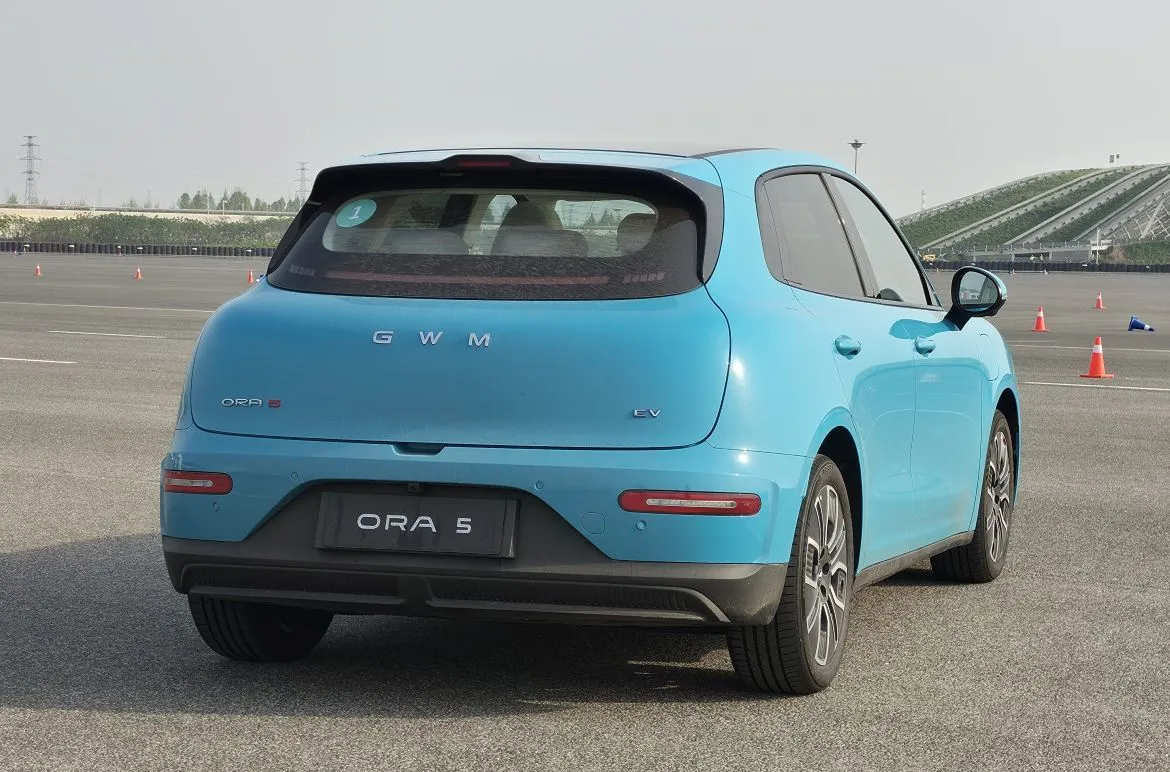
Ten years after closing its first factory in Bulgaria, Great Wall Motor is set to return to the country. The Chinese automaker plans to assemble its new Ora 5 SUV there starting in 2027, with a production capacity of 50,000 vehicles per year.
As you may have noticed, Chinese companies are launching numerous industrial projects on the Old Continent. Following BYD, Chery, Leapmotor (with Stellantis), and XPeng (with Magna Steyr), Great Wall Motor also aims to strengthen its presence in Europe. But unlike its competitors, the company has already faced difficulties in establishing a local operation. For its comeback, it has chosen a country that hasn’t been particularly lucky for it.
Great Wall Motor returns to where everything stopped
According to Automotive News, the manufacturer has just signed an agreement with Bulgaria Automotive Industry to assemble vehicles at a plant located in Bahovitsa, near Lovech, in Bulgaria. The first cars are expected to roll off the assembly lines in the first quarter of 2027. The facility will have a theoretical capacity of 50,000 units per year.
Also read
Incredible: This Chinese hybrid SUV is already in the Top 10 of best-selling cars in Europe
This isn’t Great Wall’s first foray into this region. Between 2012 and 2016, the manufacturer already produced vehicles there with its partner Litex Motors. SUVs like the Hover H5 and H6, as well as pick-ups such as the Steed 5, were assembled there using parts imported from China. However, the venture ended early due to a lack of sufficient market demand and financial difficulties faced by its partner.
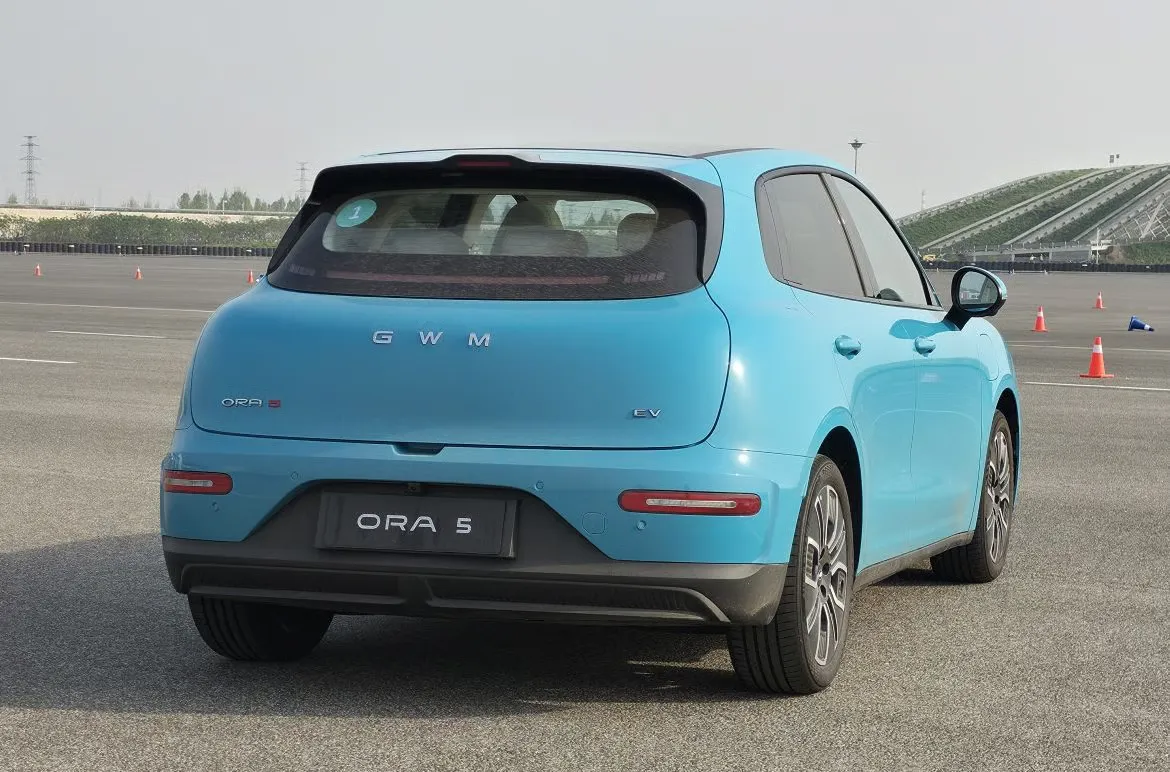
This time, Great Wall plans to launch with the electric version of its compact SUV, the Ora 5. Assembly will initially rely on partially assembled kits from China, though some components will be sourced locally from the start. Other powertrains and models may follow.
Avoiding European taxes?
The choice of Bulgaria is also driven by economic considerations. Great Wall’s electric cars imported from China are currently subject to a 20.7% European surcharge on top of the usual 10% customs duties. Local production could help reduce this exposure, subject to the rules applicable to vehicles assembled from imported kits.
Great Wall isn’t planning to stop there. The company aims to produce 300,000 vehicles per year in Europe by 2029, a goal mentioned as early as last year by one of its executives. GMW is considering creating full-scale “industrial parks” — facilities capable of housing automobile factories and component manufacturing sites. Thus, the Bulgarian plant might just be the first step in a much larger project.
But the main challenge will be commercial. In 2025, Great Wall sold only 3,500 vehicles in Europe, a decline of nearly 30%. Yet the company targets 60,000 sales by 2027 and a market share of between 3% and 5% by 2030.
Ten new models coming soon
To achieve this, the manufacturer plans to introduce at least ten new models or additional variants over the next two years, offering a range that includes electric, hybrid, and gasoline-powered vehicles. Its research center in Munich, opened in 2021, is also set to help tailor future models to European expectations. There is also a need to accelerate entry into new markets, including France...
Also read
Europeans have found a trick to buy much cheaper Chinese electric cars
An ambitious strategy for a manufacturer that still needs to convince Europeans, ten years after its first failure in Bulgaria.