
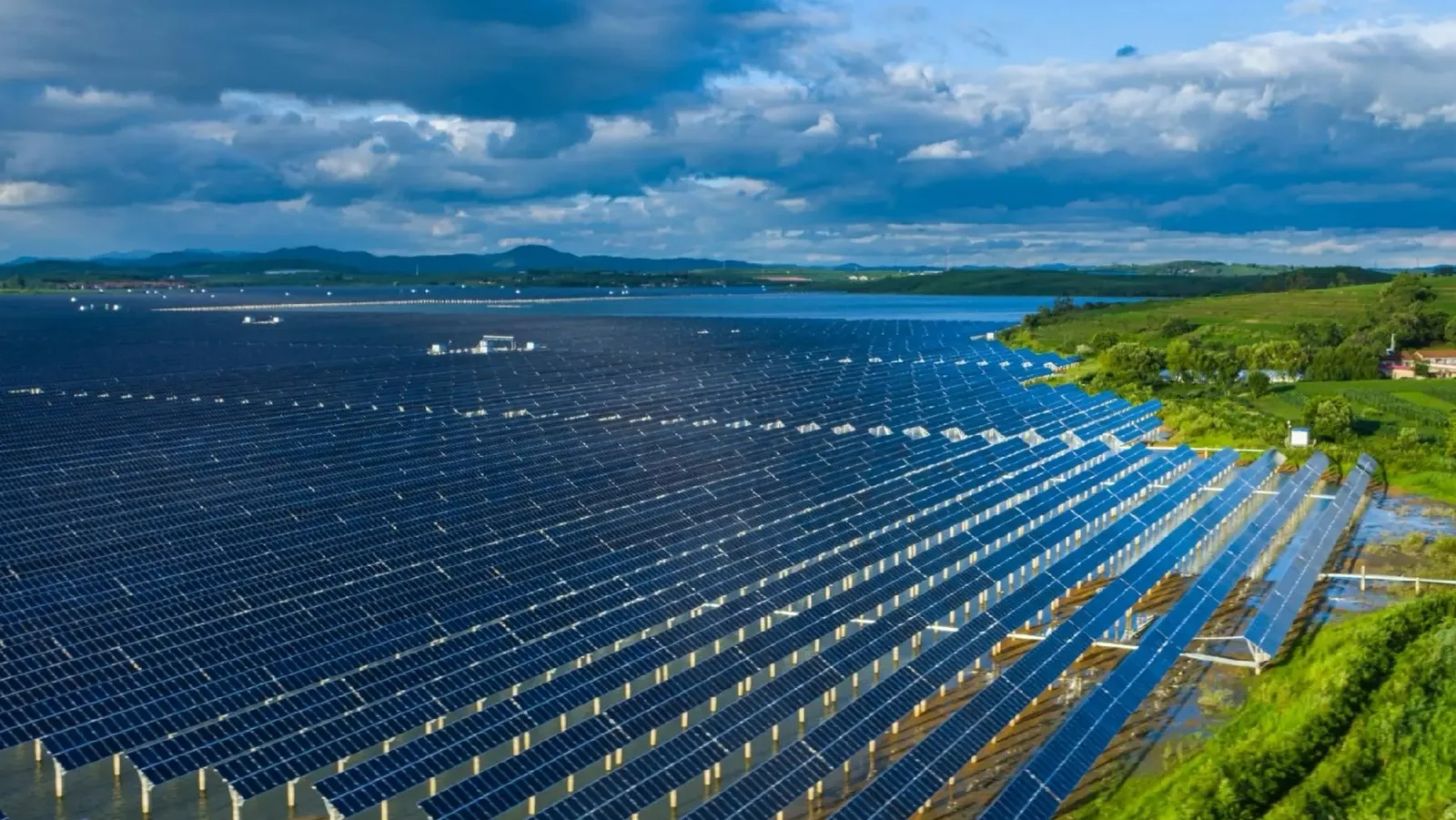
They said it was impossible, but this country has turned the sun into the largest source of installed energy at 1,286,000,000 kW.
05/09/2026 13:30
Updated to
05/09/2026 13:30
Add Hybrids and Electric Vehicles as Google’s preferred source for free.
Stay informed with the latest news updates.
Activate now
The pollution clouds have given way to clean streets and clear skies. China’s energy transition has reached a historic milestone in its power supply infrastructure. According to official data from the National Energy Administration, by the end of July, installed photovoltaic capacity surpassed coal-generated power for the first time. Solar energy is now the country’s primary source in terms of available nominal capacity.
This shift in the energy matrix represents a crucial step toward decarbonizing the world’s largest electricity and automotive markets. The accelerated deployment of solar installations aims to meet rising electricity demand and support the massive expansion of electric vehicles, gradually replacing the dominance of fossil fuels in high-voltage grids. China has managed to transform its energy sector and industry within just a few years, proving that anything is possible.
Installed capacity figures and overtaking thermal power plants
The cumulative records as of the end of July show that the installed photovoltaic capacity stands at 1.286 million kilowatts (1.286 GW), slightly exceeding the 1.285 million kilowatts (1.285 GW) from coal-fired power plants. This surpasses the combined solar capacity of countries such as the United States, India, and Germany, as well as the total installed solar capacity of the European Union.
Solar power generation in China increased by 15.5% year-on-year, reaching 802.4 billion kWh, and currently supplies 13% of the country’s electricity needs. The pace of expansion in the energy mix is distributed as follows:
Solar power accounted for over 40% of all new generation capacity added during the first seven months of the year.
Non-fossil energy accounted for 70.7% of the incremental electricity generation growth in the first half of the year.
Renewable sources together covered 41.2% of total electricity generation from January to June, with wind and solar contributing nearly 25% of the supply.
The share of actual coal-generated electricity dropped below 50% for the first time in official records, averaging 49.7%.
Performance and the stabilizing role of the power grid
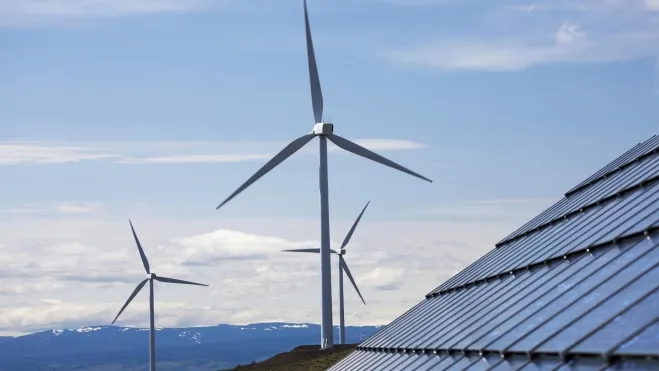
Although the installed photovoltaic capacity exceeds that of coal power plants, there are significant operational differences in their mechanical and thermal efficiency. While fossil fuel power plants can operate continuously 24/7 with average load factors near 50%, solar farms are subject to daily cycles and weather-related intermittency, with an average capacity factor of around 14%.
For this reason, coal-fired thermal plants are changing their role in China’s electricity distribution system. Their function is shifting from providing continuous base load to serving as backup and flexibility mechanisms to compensate for fluctuations in renewable sources and ensure grid stability.
Very ambitious goals
Despite significant progress in photovoltaic installations and the use of renewable energy sources, China aims to advance its green strategy further. The recently released “15th Five-Year Plan for Renewable Energy Development” proposes that by 2030, annual renewable energy generation should reach around 6 trillion kWh, with wind and solar power generation exceeding 4 trillion kWh annually. The plan introduces a target for the first time to improve the reliable substitution capacity of electricity from renewable sources.