
“Digital Automaker Index 2026”: Tesla and Chinese firms are expanding their lead
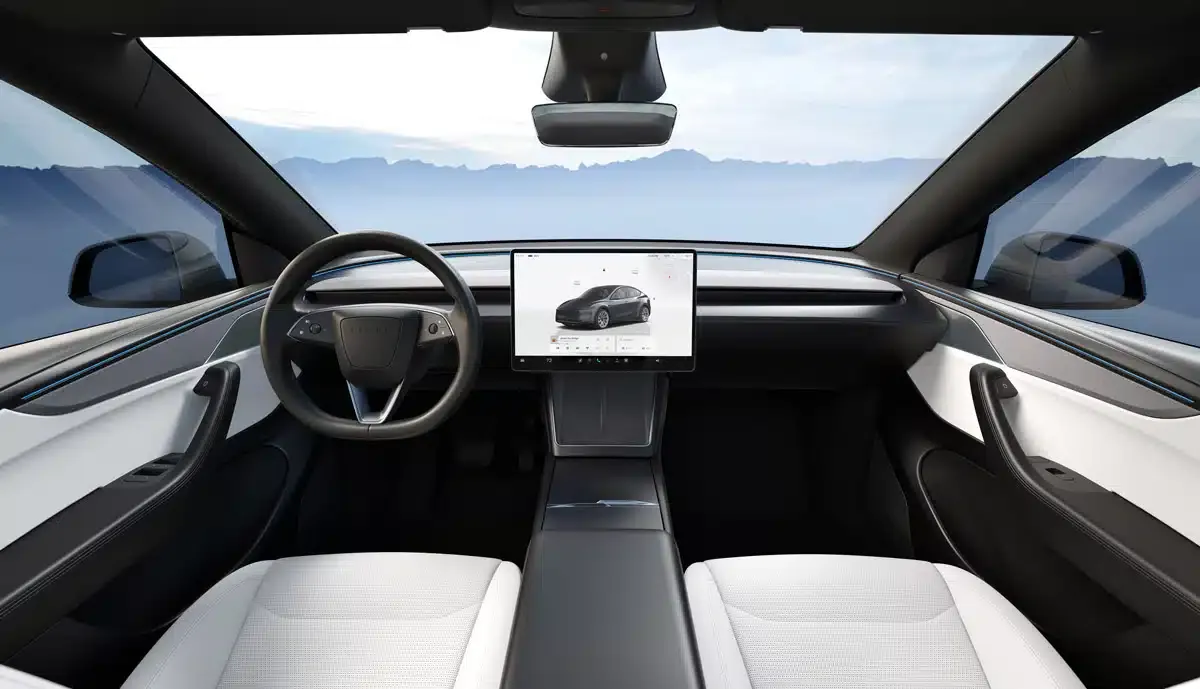
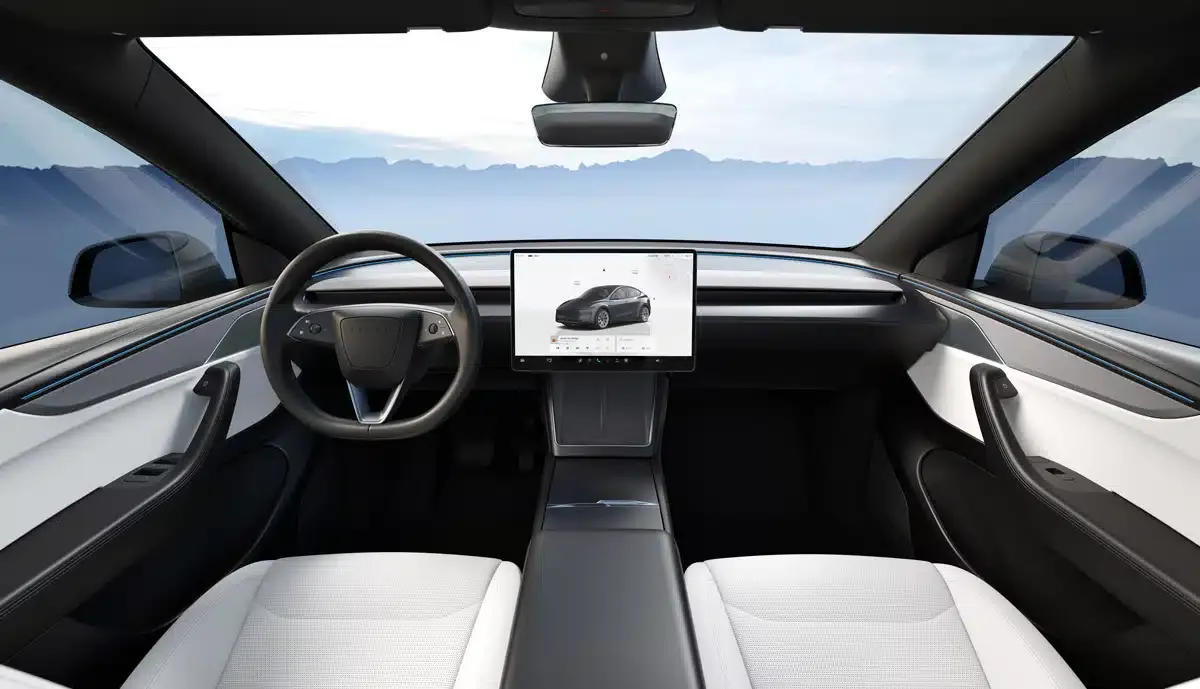
Image: Tesla
Gartner’s latest “Digital Automaker Index 2026” reveals a widening gap between established automakers and digital pioneers. Despite heavy investments in new technologies, traditional manufacturers are falling behind Tesla, Rivian, and Chinese competitors. The research firm describes the results as a wake-up call for the industry, according to Automotive News.
The evaluation methodology was tightened for the year 2026. Gartner introduced a new category for artificial intelligence (AI) and replaced simple yes-no questions with stricter metrics to assess the widespread adoption of new technologies. This change resulted in lower scores for many manufacturers, while digital pioneers such as Tesla and Rivian from the U.S. along with leading Chinese companies maintained their top positions.
The top six spots in the ranking remain unchanged: Tesla leads, followed by Nio, Xiaomi, XPeng, Li Auto, and Rivian. The gap between these digital pioneers and established manufacturers is significant across all nine categories examined, such as connectivity or vehicle architecture. No traditional automaker made it into the top three.
Pedro Pacheco, Gartner’s vice president of research, told Automotive News Europe that many manufacturers are not yet adequately prepared to handle AI. He added that European and Japanese companies are struggling to catch up with their American and Chinese competitors.
In Europe, Mercedes-Benz ranks eleventh and achieves the highest rating among traditional automakers. Other German car manufacturers include BMW in 14th place and VW in 16th place. At the bottom of the list, Japanese manufacturer Nissan is in second-to-last position, while Mazda, another Japanese company, finishes last with a score of 22.1 percent.
Pacheco believes the challenge for established companies lies not in stagnation but in too slow progress. He described a kind of vicious cycle where the internal organizational structure prevents rapid technological adaptation, which in turn makes it harder to attract talent and investment.
Especially in the field of artificial intelligence, the index rewards the development of proprietary technologies. Tesla and XPeng have a competitive advantage in this area, according to Pacheco. By developing their own basic models for driver assistance systems (ADAS), they have already built up a high level of internal expertise and capabilities that they can apply to other fields as well.
Also interesting
About the author
Thomas Langenbucher is an expert in electromobility with professional experience in the automotive industry and finance sector. Since 2011, he has been covering electric vehicles, sustainable technologies, and mobility solutions for ecomento.de. Learn more.
Reader interactions