
DHL is expanding its global network for battery logistics.
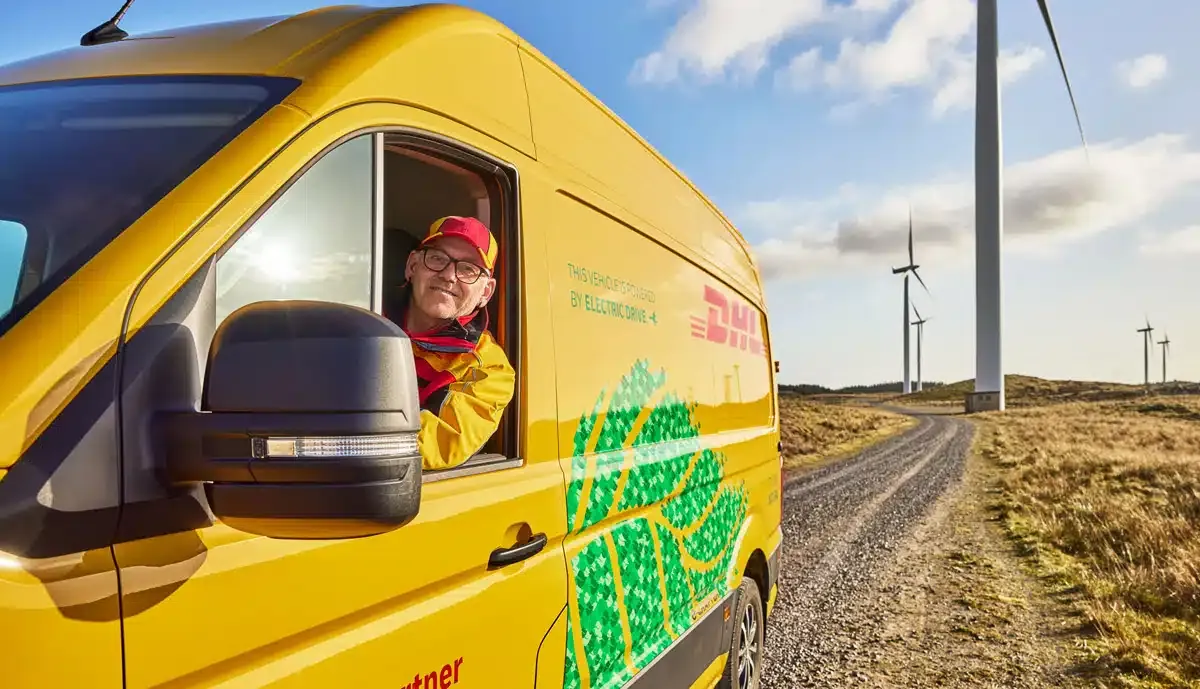
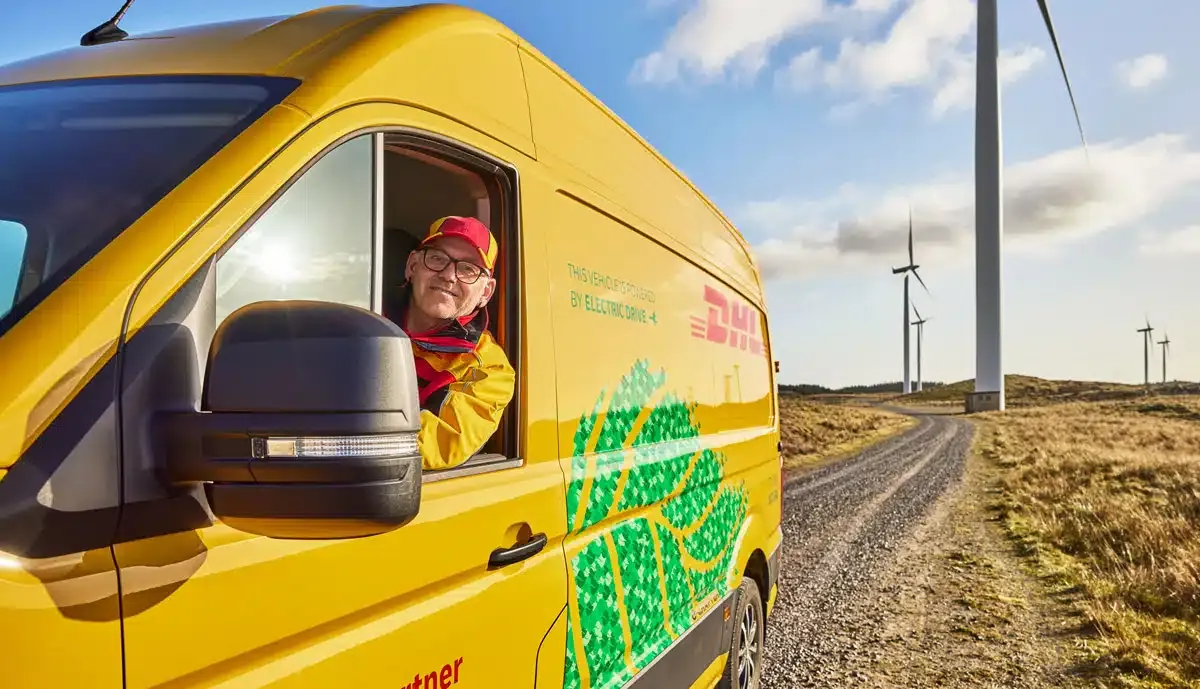
Image: DHL Group
DHL is expanding its global network for battery logistics, which currently includes more than 20 locations according to recent reports. The DHL Supply Chain, DHL Global Forwarding, and DHL Express business units are working together to create an integrated network of expertise centers for electric vehicles and battery logistics. This network connects production logistics, transportation, and warehousing with services throughout the battery lifecycle in key markets around the world, according to the company.
The demand for specialized logistics solutions is rising with electric vehicles, battery energy storage systems, and solutions for renewable energy. At the same time, electrification is expanding beyond the automotive industry to industrial applications, mining, and energy infrastructure systems. Many battery systems weigh over 50 tons, while global supply chains require specialized expertise, regulatory knowledge, and international coordination.
DHL claims to offer services ranging from procurement logistics and production supply chain management to storage, delivery, as well as processing, take-back, and recycling. “With the increasing electrification of vehicles, our customers’ need to transport batteries quickly, safely, and in compliance with all hazardous materials regulations is rising,” says Christopher Ong, Managing Director of DHL Express Singapore. “To meet this growing demand, we continue to expand our capacity, regulatory expertise, and specialized equipment in Europe and around the world.”
A large portion of battery production and the manufacturing of technologies for the energy transition is currently concentrated in Asia, while demand continues to grow strongly in Europe and other regions. At the same time, new “gigafactories” and production sites are emerging worldwide, creating logistical needs for equipment, raw materials, battery chemicals, and finished battery systems. DHL aims to assist its customers in establishing trade and delivery corridors between production centers, new gigafactory sites, and energy infrastructure projects.
The specialized facilities combine storage capacity with services such as battery diagnostics, testing, charging and conditioning, repairs, return logistics, and preparation for recycling. In Halle, DHL recently made 13,000 square meters of battery-compatible storage space available. Another specialized site for battery logistics is being built in Hungary, with operations scheduled to begin in 2027.
In addition to battery production and automotive applications, DHL is increasingly supporting large-scale battery energy storage systems, grid infrastructure projects, and initiatives in the field of renewable energy. The company states that it has already delivered more than 1,100 BESS units in the first half of 2026.
Also interesting
About the author
Thomas Langenbucher is an expert in electromobility with professional experience in the automotive industry and finance sector. Since 2011, he has been covering electric vehicles, sustainable technologies, and mobility solutions for ecomento.de. Learn more.
Reader interactions