
Germany’s charging network keeps expanding, particularly in terms of fast chargers
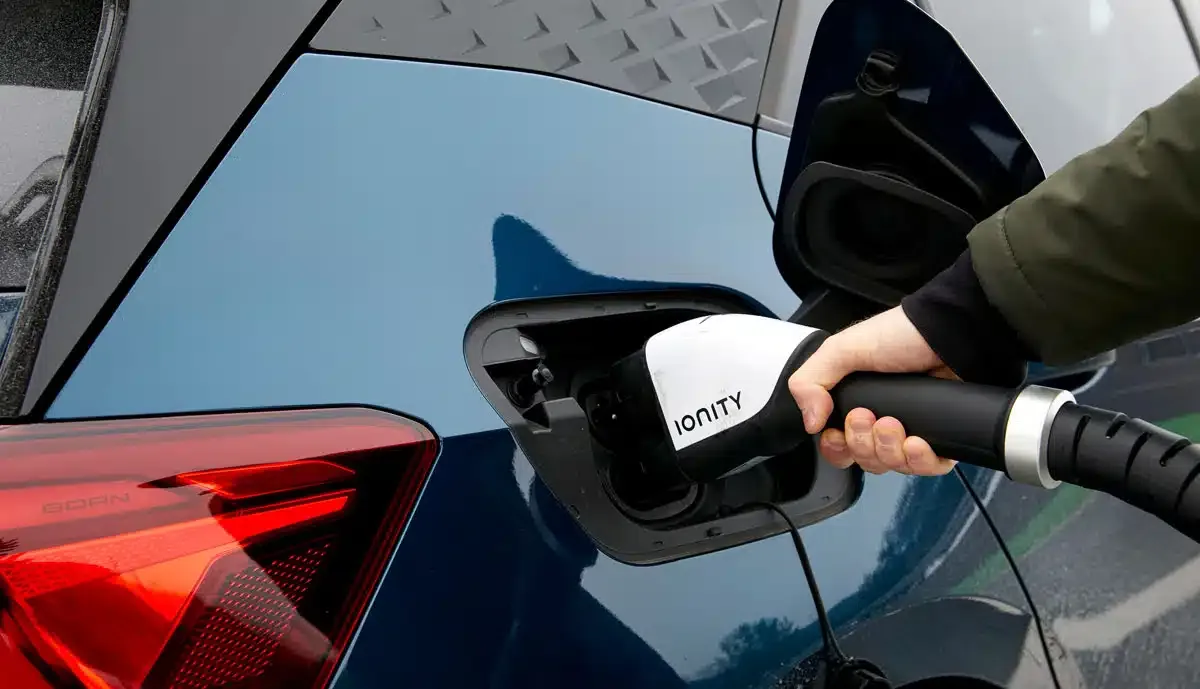
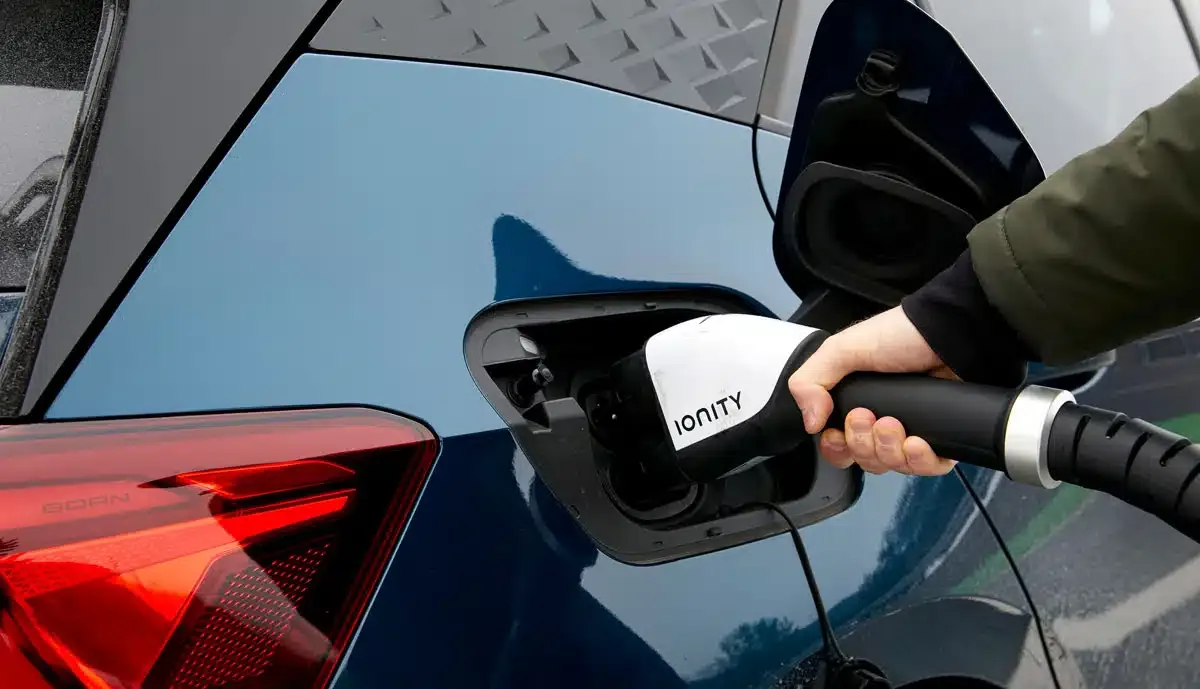
Image: Ionity (illustrative)
The German market for charging infrastructure is showing a steady expansion trend. According to recent surveys by data analysts at Cirrantic for the “Edison Charging Radar,” the network is growing steadily, while pricing remains in a phase of consolidation. DC fast charging stations (DC and HPC) are developing particularly dynamically.
Cirrantic’s CEO, Ludwig Hohenlohe, explained the figures to Edison as follows: “There’s basically nothing spectacular to report.” He noted, however, ongoing market growth with a disproportionately high increase in fast chargers.
The average annual growth rate for fast chargers appears to be around 40 percent. In Germany, there are now nearly 233,000 registered public charging stations. While conventional AC chargers outnumber them in urban areas with about 170,000 outlets, development is increasingly focused on high-power charging stations with ultra-fast charging capabilities.
Fast Charging Gaining Importance
With over 51,000 fast charging stations exceeding the 50-kW threshold, the network’s throughput capacity is increasing faster than the number of charging points according to the analysis. In terms of utilization, there is a clear divide: high-power DC and HPC devices for fast direct current charging see an average of more than 2.5 charging sessions per day. In contrast, AC chargers with around 0.6 charging sessions daily are primarily used as slow stationary chargers for overnight use or while parking.
According to the analysis, the activity level exceeds 6.3 million charging sessions per month, representing a increase of over 25 percent compared to the previous month. However, a slight decline in charging sessions was observed from June to July 2026. Industry expert Hohenlohe attributes this dip primarily to seasonal factors such as the holiday season and the statistical blind spot caused by foreign transit travelers.
There is currently some stability in pricing, as the average rates for ad-hoc charging remain practically unchanged from the previous survey. The current average charge for alternating current (AC) is 57 cents per kilowatt hour (kWh). The price for direct current (DC) at fast charging stations is on average 5 cents higher.
Hohenlohe sees this development as a stabilization of the market, as prices have essentially remained unchanged. The price gap between slow AC chargers and fast DC chargers has continued to narrow. However, a widespread drop in prices for ad-hoc and roaming rates is not expected for now.
Also interesting
About the author
Thomas Langenbucher is an expert in electromobility with professional experience in the automotive industry and finance sector. Since 2011, he has been covering electric vehicles, sustainable technologies, and mobility solutions on ecomento.de. Learn more.
Reader interactions