
German industry discusses a tougher stance toward China
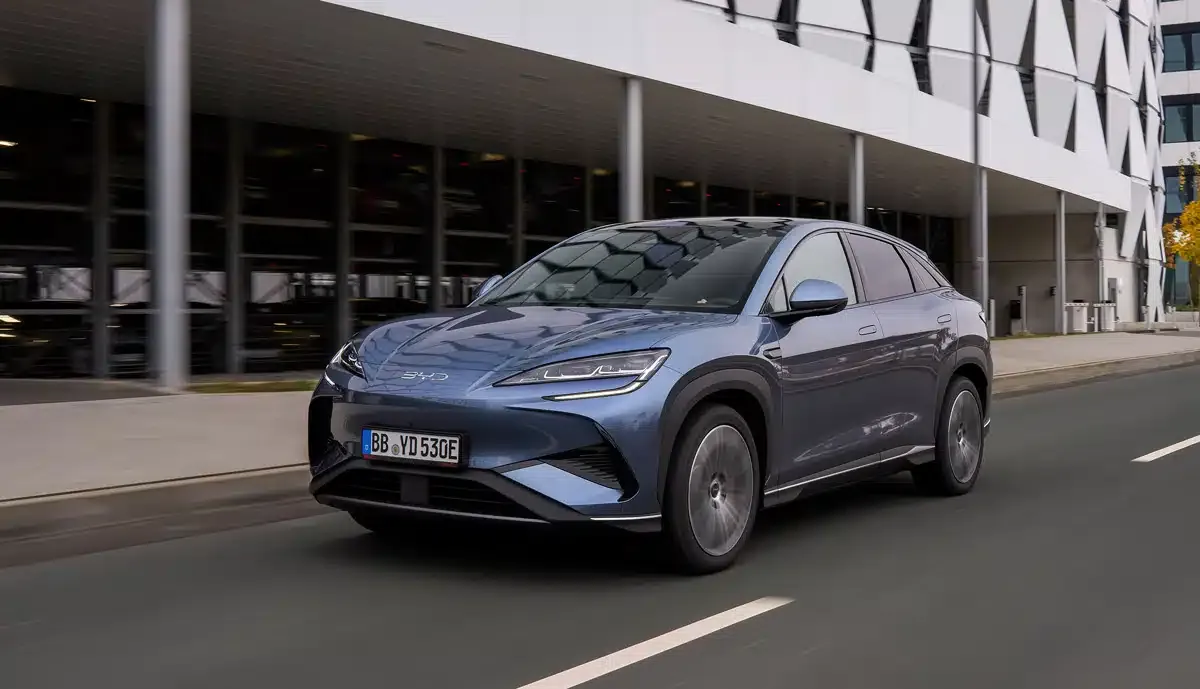
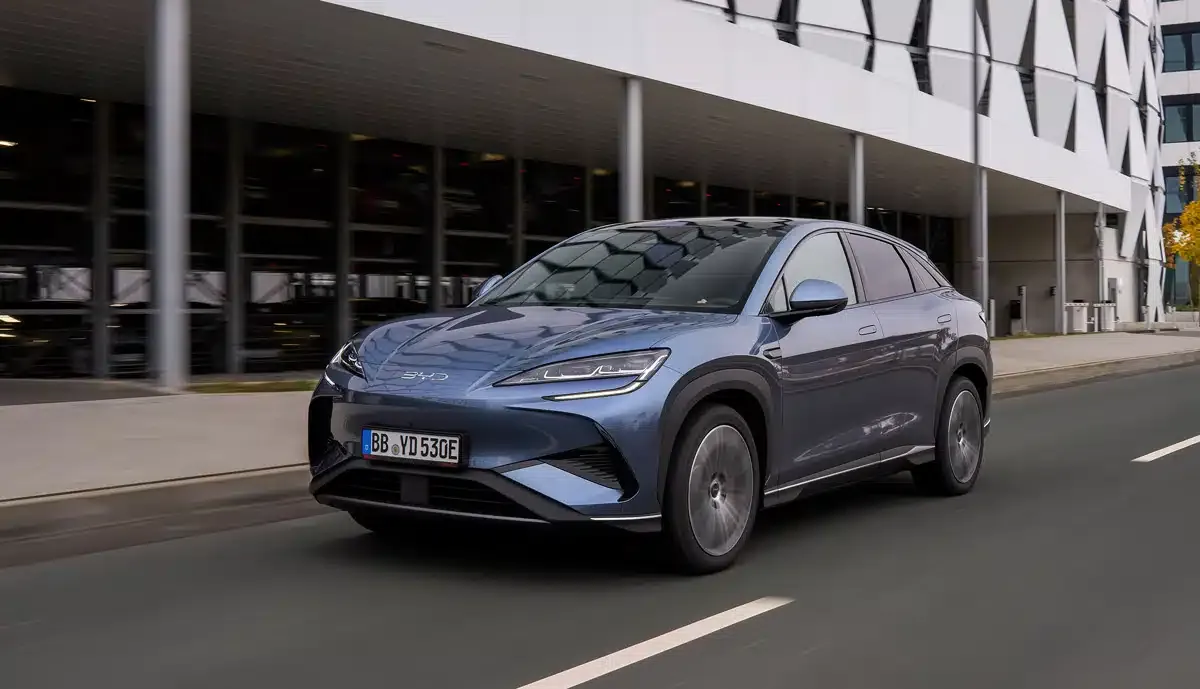
Image: BYD (illustrative)
The German economy appears to be in a process of repositioning itself vis-à-vis China. The Bundesverband der Deutschen Industrie (BDI) is currently discussing more stringent trade policy measures intensively, according to Welt am Sonntag. The focus appears to be on further developing the EU’s trade policy protection tools, as well as issues related to the design, pace, and evidence requirements in anti-dumping and countervailing duty proceedings.
Friedolin Strack, co-head of international affairs at BDI, advocates for implementing many smaller measures rather than waiting for a single major tool — China does similar things. While the EU has so far imposed tariffs only in a few sectors such as electric vehicles, countries like France, Italy, and Spain call for stricter action against unfair trade practices. So far, Germany has been seen as a factor that hinders progress.
German exports to the People’s Republic have declined after a long period of growth. At the same time, Chinese companies are becoming competitors in the global market as well as in Europe and Germany. The European industry accuses China of artificial currency devaluation and government subsidies for export firms. Meanwhile, the technological advancement of Chinese products has been accelerated by the transfer of German expertise to joint ventures.
Major associations such as the Association of the Automotive Industry (VDA) and the Machinery Manufacturers’ Association VDMA are also reevaluating their policies toward China. According to Welt am Sonntag, VDMA calls for swift action without fear of retaliatory measures. Oliver Richtberg, head of the association’s foreign trade department, warns of increasing deindustrialization due to unfair practices.
"If we fail to take action for years now out of fear of dependence on rare earths, we will fall into a vicious cycle," said Richtberg. Moreover, inaction could lead to future dependence on Chinese machinery as European manufacturers face pressure. For companies, business in China is often a game of waiting. Ultimately, the People's Republic aims to become independent of foreign technology in more and more industries.
Also interesting
About the author
Thomas Langenbucher is an expert in electromobility with experience in the automotive and financial industries. Since 2011, he has been covering electric vehicles, sustainable technologies, and mobility solutions for ecomento.de. Learn more.
Reader interactions