
German Auto Industry: Study Predicts 200,000 Fewer Jobs by 2031
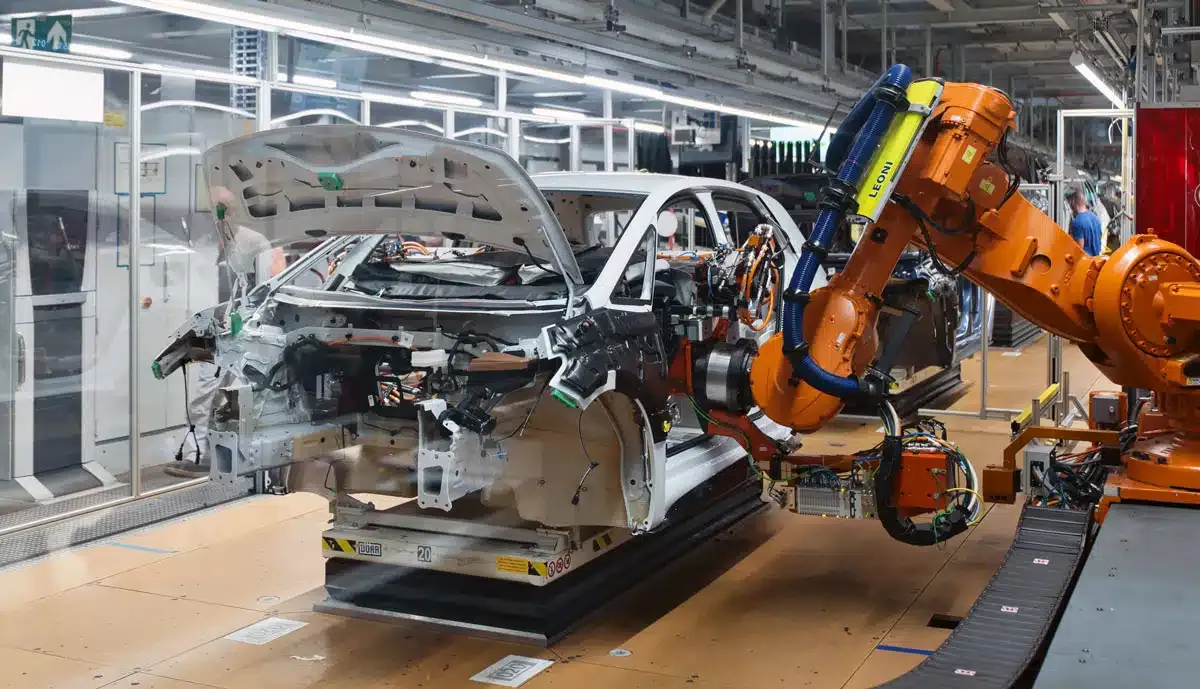
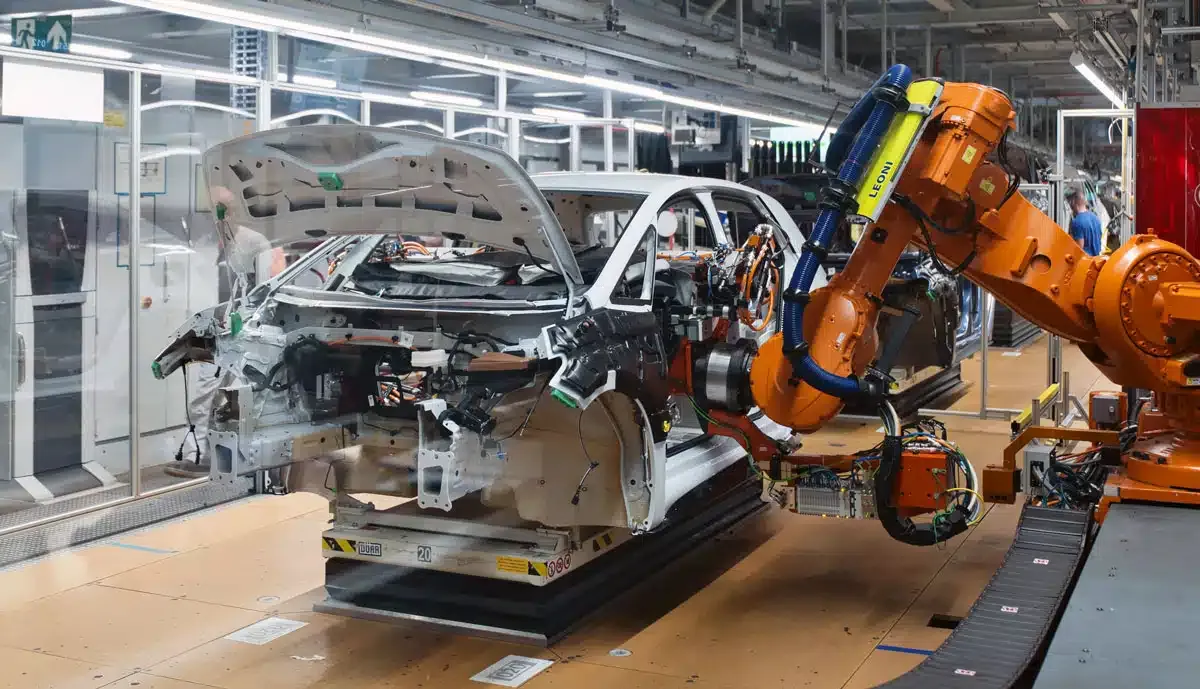
Image: VW (illustrative)
The consulting firm Roland Berger predicts in a study for Manager Magazin that around 200,000 jobs could be lost in Germany’s automotive industry by 2031. Partner Felix Mogge describes the situation as very difficult but does not see the industry facing collapse. To limit the damage, “radical measures” are needed from both companies and policymakers. Technologically, manufacturers such as BMW, Volkswagen, and Mercedes have caught up with the global leaders through new models, but this transformation has turned into a cost issue.
In terms of software and electric range, German manufacturers have caught up, while Chinese suppliers hold an advantage in areas such as autonomous driving and battery cells. Chinese cars are on average up to 30 percent cheaper with similar technology. Even if produced in Europe, the manufacturers from the People’s Republic would likely retain about half of their cost advantage according to Mogge. The advantage in battery cells alone accounts for 8 to 12 percent of the average car cost.
In countries with lower production costs, the cost of manufacturing a car is on average about 2000 euros less than in Germany. To achieve profitable production, a plant utilization rate of at least 75 to 80 percent is required. With the current capacity, there are at least five too many manufacturing plants in Germany that need to be repurposed or closed.
A major capacity reduction is still ahead
Mogge considers the current capacity adjustments insufficient, citing factors such as the sold Smart plant in Hambach, the closure of the Audi facility in Brussels, and an investor for the Volkswagen plant in Osnabrück. These were smaller sites, and with the upcoming capacity adjustments, the industrial core must now also be addressed. In the indirect areas outside production lines, up to a third of the jobs could potentially disappear in the future. About half of these positions are likely to be replaced by AI agents, with management roles also affected.
Mogge cites high costs and changing market conditions as among the challenges. Energy prices in Germany are more than twice as high as those in the U.S., while labor costs in manufacturing are over 50 percent higher. On the OECD’s Employment Protection Index, Germany scores 2.33 compared to 0.77 for the U.S. Meanwhile, the German auto industry’s export model, which has been highly successful for over two decades, no longer functions in its previous form, and the transition to electric mobility is progressing more slowly than predicted.
Mogge believes China will play a stronger role in the future as an export hub from which markets in Latin America and Southeast Asia can be supplied. Cars from Europe or Germany are no longer competitive there, especially in the lower price segment. Globally, previous production volumes are likely unattainable again, and premium manufacturers should adjust their capacity planning accordingly. Additionally, Mogge calls for faster development cycles: instead of the current 48 months or more, 30 to 36 months should be sufficient.
The share of software in development costs is expected to rise from around 25 percent currently to over 50 percent by 2030. Politically, Mogge calls for support in training more than 50,000 workers in software, batteries, and robotics, promoting innovation clusters, and speeding up approvals for facility upgrades. He sets a goal of six months instead of twelve or sometimes 24 months for such adjustments. Additionally, shared drive platforms, battery formats, or manufacturer-defined charging standards could help. So far, such efforts have repeatedly failed due to “the egos and fears of the involved partners.”
Also interesting
About the author
Thomas Langenbucher is an expert in electromobility with professional experience in the automotive industry and finance sector. Since 2011, he has been covering electric vehicles, sustainable technologies, and mobility solutions for ecomento.de. Learn more.
Reader interactions
