
German Automakers Under China’s Pressure: “The Golden Age Is Over”
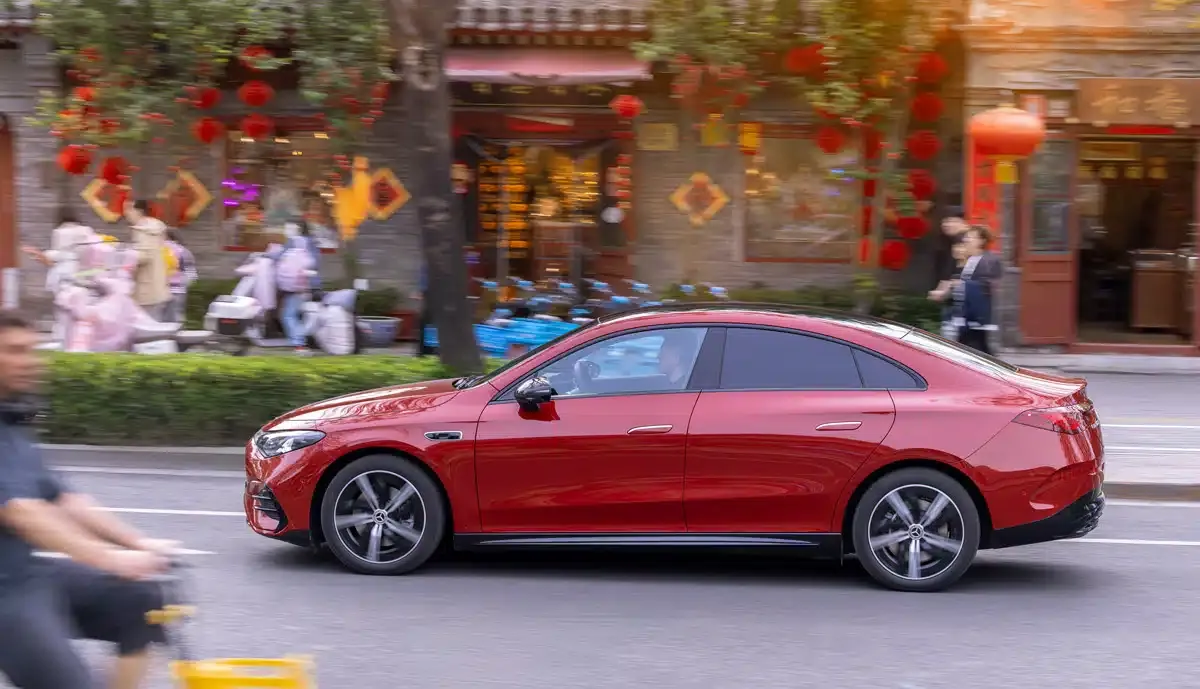
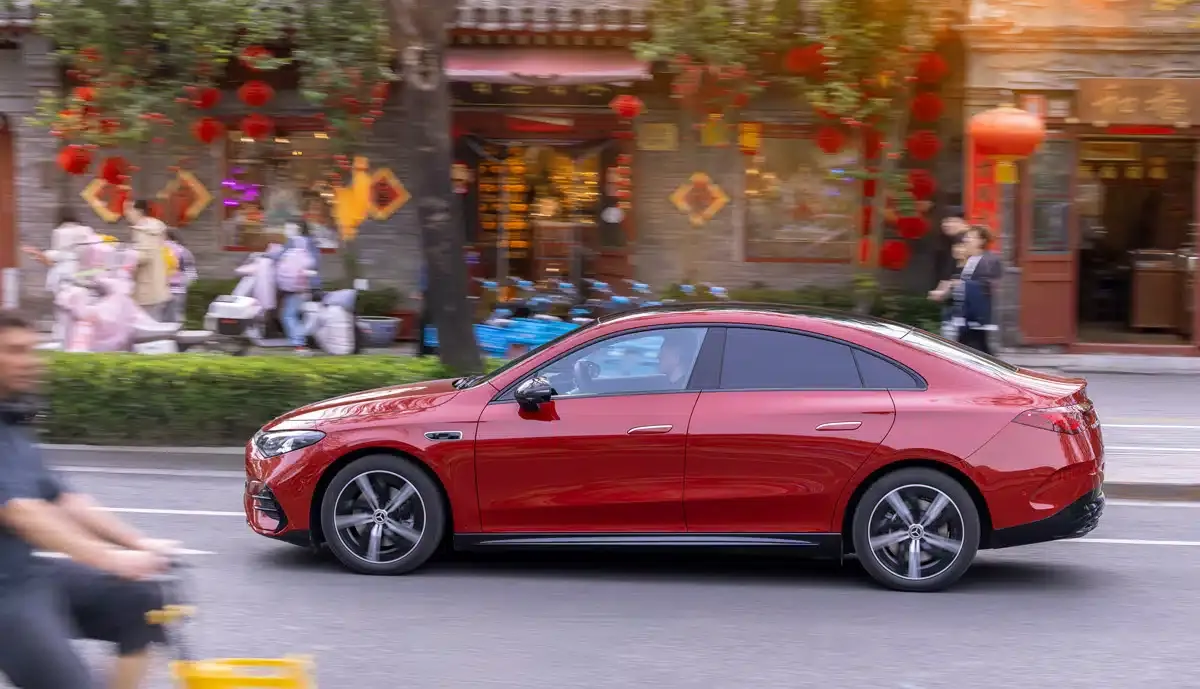
Image: Mercedes-Benz
Chinese manufacturers are increasingly succeeding in entering the market with electric vehicles and plug-in hybrids. According to Helena Wisbert, a professor of automotive economics at Ostfalia University, the industry misjudged the development of plug-in hybrids by Chinese brands two years ago. While EU tariffs on electric cars manufactured in the People’s Republic were imposed at the end of 2024, vehicles with plug-ins were exempt from these measures.
This loophole arose from underestimating this technology as merely a transitional solution, said the expert in an interview with Spiegel. Many consumers appreciated the flexibility of being able to rely on a combustion engine when the battery was empty—especially when there were no charging options at home. Chinese manufacturers now used their massive overcapacity to export vehicles with long ranges and lower prices to Europe and Germany.
The current market share gains for brands from the People’s Republic are largely driven by price competition, which China is now extending to Germany as well. In the plug-in hybrid segment, for example, the Chinese manufacturer BYD has already overtaken the long-time leader, VW Tiguan, as the best-selling model. The German industry also faces distorted competition due to China’s heavy regulation and subsidies for its domestic companies.
In addition to price pressure, there is a technological dependence on Chinese suppliers, especially in the battery sector. To halt the long-term decline of Germany’s automotive industry and the resulting job losses, new tariffs on plug-in hybrids could also limit the “extreme price competition” and slow down the market share gains of Chinese manufacturers, according to Wisbert.
The industry expert does not believe that Germans will lose their dominant position in their home market as well after China. “Many factors suggest this is partly due to short-term effects,” said Wisbert. “This is evident in Germany’s subsidy programs, from which Chinese manufacturers benefit disproportionately. If prices converge in the long term, the balance of power is likely to shift again.”
The economic situation remains tense for Germany’s long-time successful automakers, as profits from China—a once highly lucrative market for the industry—have plummeted. According to Wisbert, the goal now for the industry is to avoid losing further ground in the world’s largest auto market. She believes, “One must stay realistic. Things will never be as they were before. The golden days are over.”
Also interesting
About the author
Thomas Langenbucher is an expert in electromobility with professional experience in the automotive industry and finance sector. Since 2011, he has been covering electric vehicles, sustainable technologies, and mobility solutions on ecomento.de. Learn more.
Reader interactions