
Design, technologies: why electric cars are becoming (already) more conventional
For a long time, electric cars have emphasized their uniqueness. But as they become more widespread, automakers are shifting their strategies: turning to traditional names, more classic designs, and physical controls.
If you visited the exhibition halls of the International Motor Show, you likely noticed this: electric cars were everywhere. This is quite logical given the surge in demand due to rising fuel prices. In September, electric vehicles accounted for four out of ten new registrations in France. It’s also logical at an event that highlights new models, which will inevitably be more electric.
Still, for those less familiar with the topic, it might not have been immediately obvious. After all, electric cars are now just like any other car. It seems like a long time ago when they had to strive hard to stand out. This is a well-known tactic among manufacturers when venturing into a new type of propulsion system that promises the future. They need to make an impact, even if it means appearing unusual. We remember the early days of hybrids with the Toyota Prius or electric cars like the Nissan Leaf!
While some manufacturers adopted a cautious and cost-effective approach by focusing on multi-energy models (a single vehicle available in both gasoline and electric versions, as seen with Peugeot), others sought to differentiate their electric cars. Think of Volkswagen, Mercedes, and Toyota.
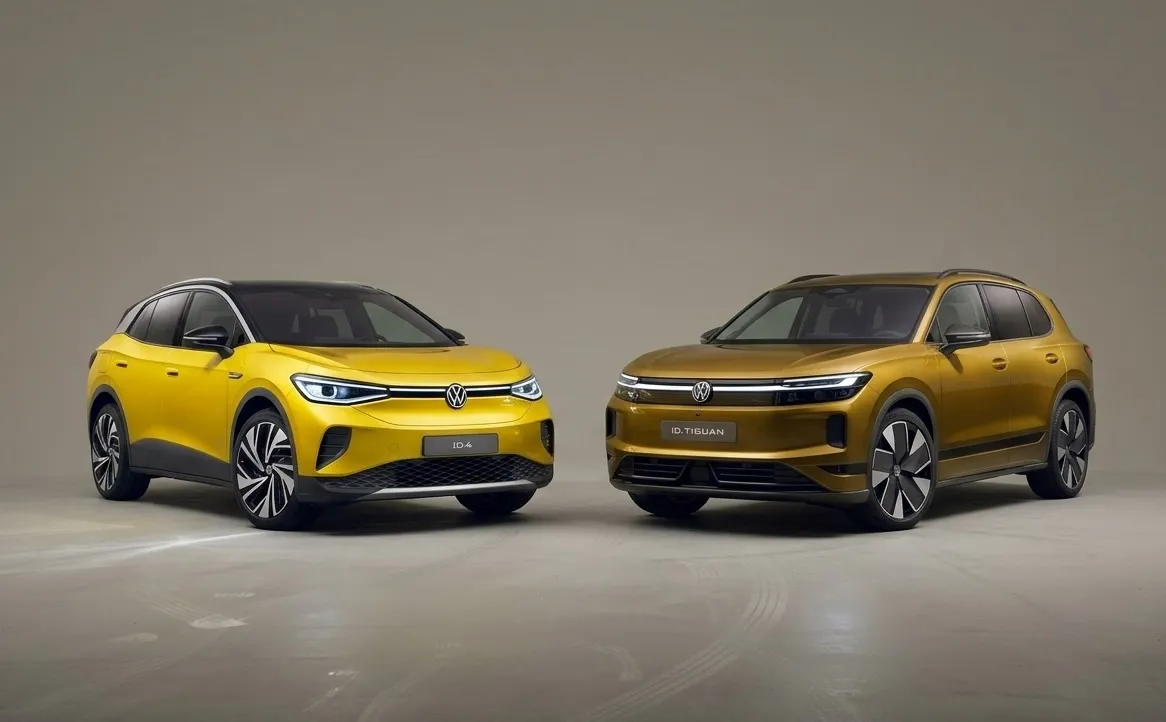
But all of that is history now. This time, electric cars have settled back into their proper place. A new model at the World Motor Show illustrated this perfectly: the ID.Tiguan. It represents the perfect synthesis of strategic shifts and changes in approach in the electric vehicle market.
Also read
Volkswagen ID.Tiguan 2027: all the official details on the successor to the ID.4
Returning to historical names
Several automakers adopted a strategy of separating traditional and electric vehicles by creating a new family under a different name. This approach allowed them to develop a second lineup alongside their existing models and better distinguish electric vehicles. Examples include BMW’s “i” series, Hyundai’s “Ioniq” series, Mercedes’ “EQ” series, and Volkswagen’s “ID” series, each with a number or letter indicating its position within the lineup.
Some quickly retracted their plans, starting with VW and Mercedes. These brands were aware of the short-sighted nature of such approaches, given that electric vehicles were set to rapidly replace internal combustion engines in Europe. These manufacturers had initially envisioned a complete shift by 2030, a deadline that has since been abandoned. Nevertheless, the lifespan of these designations was even shorter than expected.
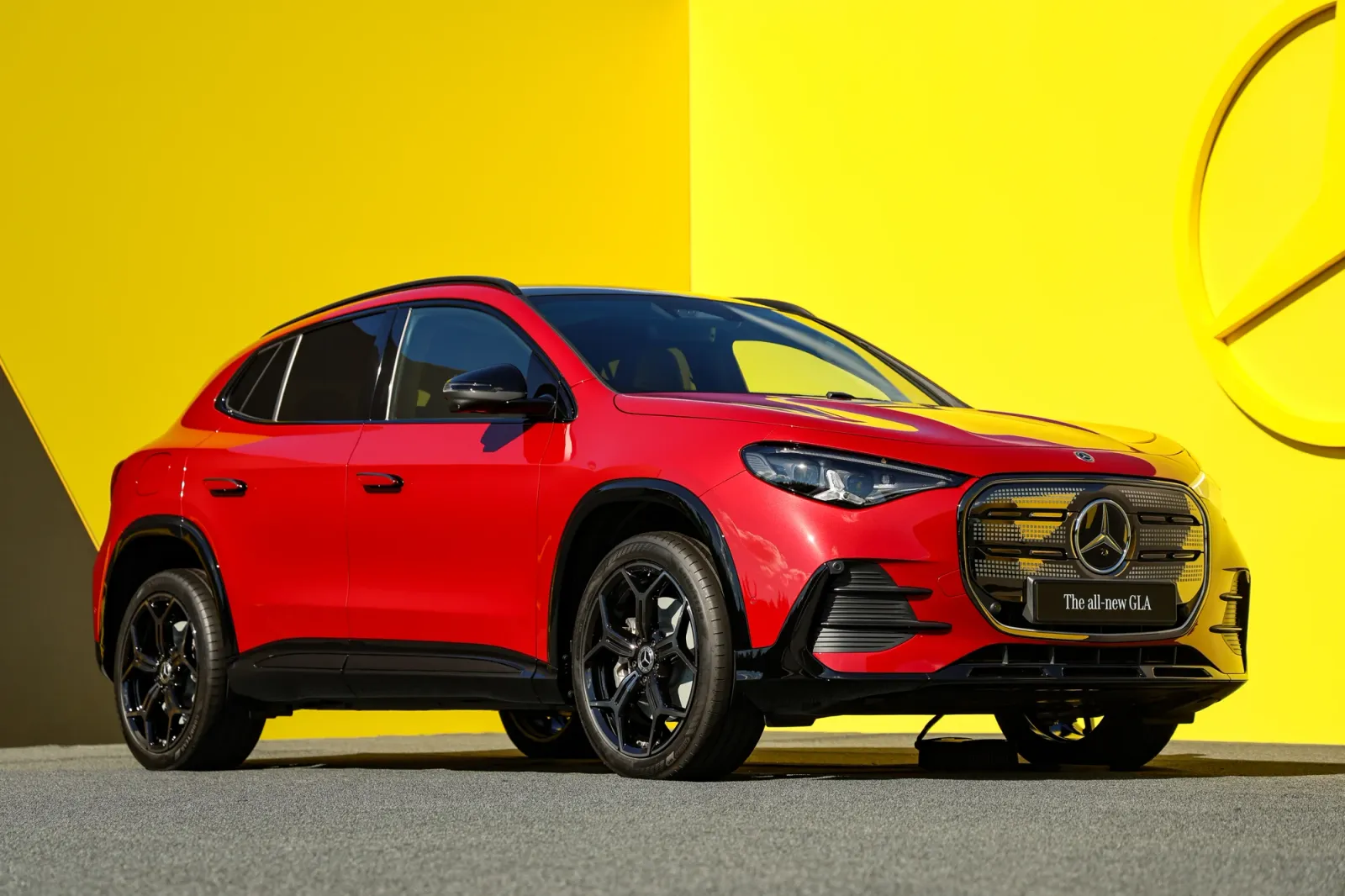
Electric vehicles are becoming more widespread (already accounting for one-third of registrations in Europe), leaving less informed consumers confused. There was also the risk of inadvertently losing all the brand image benefits that well-known names provide, which reassure buyers and help them navigate product offerings better. This led VW to abandon numerical models in favor of historic names (Polo, Tiguan…), though still linked to the ID series. At Mercedes, however, the EQA is gone—replaced by an electric GLA.
Another example comes from Toyota, which introduced the bZ label with the bZ4x. This idea was quickly discarded. The bZ4x will be the only bZ model offered in Europe, as the brand has returned to standard naming. Its new compact electric SUV carries the C-HR name, with a “+” added to distinguish it, especially since the vehicle is larger than the hybrid version.
No more weird designs
The abandonment of distinct naming conventions goes hand in hand with a more significant and noticeable trend: the styles of electric vehicles are becoming more subdued. The most striking examples once again come from VW with its new models. For its ID series, the manufacturer did not hesitate to break from its usual patterns. Known for its minimalist designs, the brand dared to be original, featuring elements like the gray arches that are a hallmark of the ID series, as well as rounder, softer shapes. All of this is now forgotten, especially since loyal customers did not necessarily appreciate this approach.
The ID series has clearly made a new aesthetic start with the ID.Polo, whose priority was to look like...a Polo. Contrasting with the R5, which relies heavily on its eye-catching design, the ID.Polo embraces a pure Volkswagen style; the chief designer initially referenced the Golf 1 with features like its sturdy C-pillar. The ID.Tiguan continued this trend, further using the same platform as the ID.4. Built on the identical structure (with recognizable windows), the brand created an SUV with a more traditional silhouette. The manufacturer also emphasizes another goal: achieving a more premium appearance, another factor that necessitates a return to simplicity!
If we look at Mercedes, the situation is similar. The uniqueness of the EQE and EQS, which featured rather unusual proportions for Mercedes models—such as a short, sloping hood—turned off potential customers. For the electric Class C, there’s a return to a more conventional design with a longer hood.
The more subdued designs come with clearer positioning that aligns with current trends. The Nissan Leaf, for example, underwent a transformation to become a crossover. Of course, there are always exceptions to the rules! The Hyundai Ioniq 3 takes a unique approach, straddling the gap between city cars and compact vehicles with an unconventional look. This also proves that not all electric cars aim for a generic, unremarkable appearance. And no, not all new models look alike—just take a look at the latest Fiat, Kia, or Renault models.
Backward step in touch interfaces
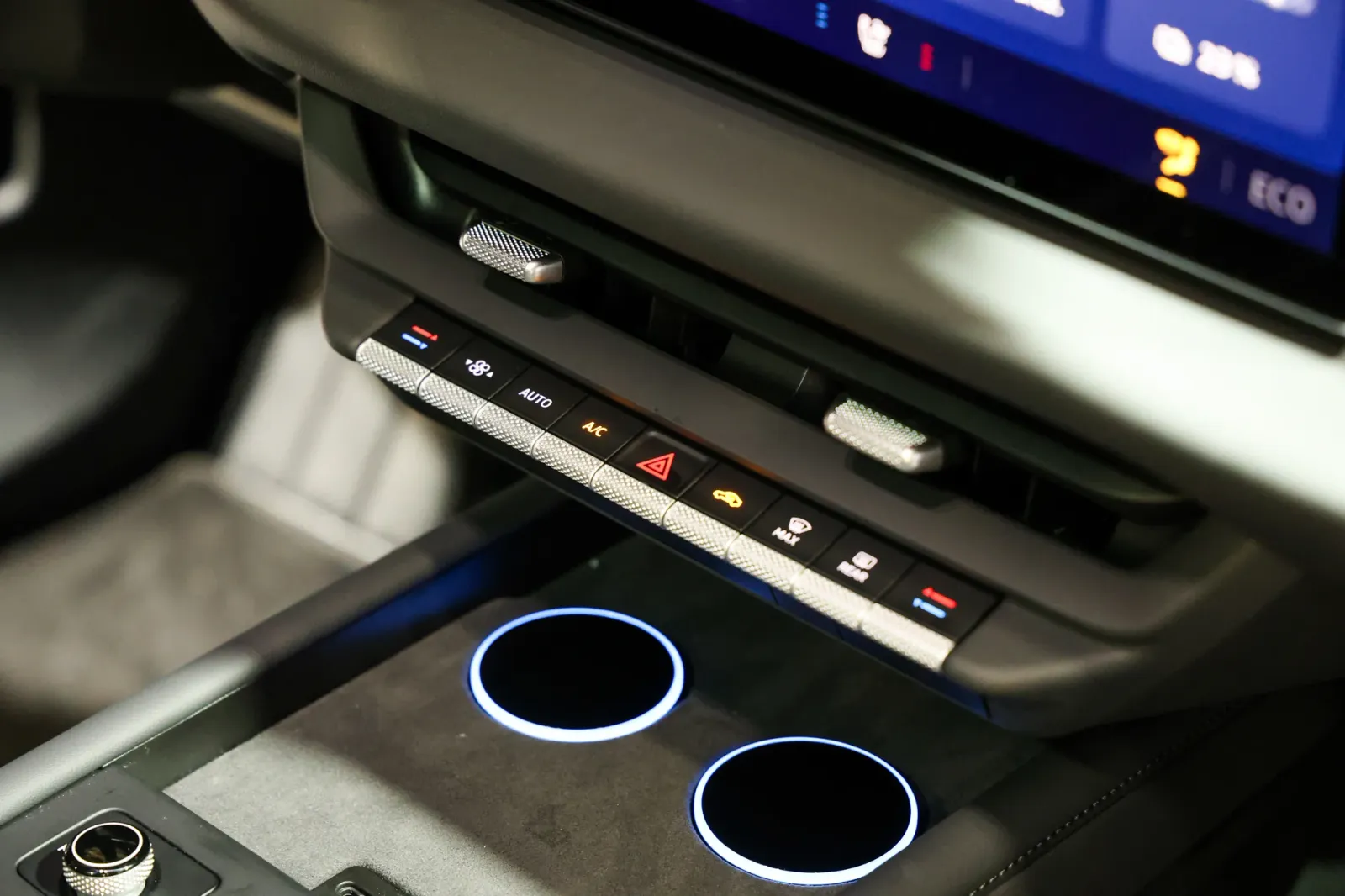
To stand out and emphasize its innovative nature, electric vehicles have invested heavily in technology. Touchscreens are a prime example. Brands have been greatly influenced by Tesla’s breakthrough, which transformed interiors by focusing on a single large central screen. From the start, there were many criticisms regarding its ergonomics and safety.
A recent study by Allianz found that 80% of French drivers surveyed believe that in-car technologies have increased distraction while driving over the past few years. 66% prefer using physical buttons or controls rather than relying solely on touchscreens for certain vehicle functions.
If the American company has not given up, European brands have started reintroducing physical buttons, as clearly requested by customers. This is once again the case with Volkswagen since the ID.Polo. While there is still a large touchscreen in the center, the most useful shortcuts now come in physical form. Real buttons have also returned on the spokes of the steering wheel. The same is true for Stellantis, which reintroduced conventional climate control panels in several models. It is also a way to distinguish itself from new Chinese brands that have not yet understood European expectations in this regard.
We’re ditching unnecessary gadgets
More than just gadgets, other equipment is also being questioned. This is especially true for retractable door handles. While some customers didn’t like them, manufacturers saw this as an opportunity to eliminate an expensive motorized feature that provided little benefit. Nevertheless, some continue to hide handles inside the body panels for aerodynamic reasons. Yet again, the ID. Tiguan reverted to using traditional pull-type handles. VW emphasized this in its statement, proving how important it was! There’s also a simpler regulatory reason. Following accidents where people were trapped inside, China has recently enacted new laws.
Another feature might not last long: the additional screen for the passenger. Initially seen only in luxury vehicles, this feature is now making its way down to lower-end models, including the ID.Tiguan. Yet a preliminary study shows it is rarely used, so it could soon be forgotten. Audi had quickly embraced this feature, but its new chief designer plans to significantly reduce the use of screens in future models.
Another feature in electric vehicles that has already been abandoned: rear cameras. Their advantage is reducing aerodynamic drag and increasing range by a few kilometers. But they require additional screens, need time to get used to, and can be less intuitive to use. Additionally, they are expensive both to purchase and repair!
Reassure... and save money
At the beginning of its development, the car undoubtedly needed to show that it represented a new era in automotive design. As a result, manufacturers introduced numerous distinctive features, from unprecedented names to futuristic shapes. But as electric vehicles become more widespread, such a radical departure becomes less necessary. To appeal to a broader audience, it is now more important to reassure rather than surprise. This means using well-known names, familiar designs, and improved ergonomics.
This transition is also driven by economic realities, including the need to abandon costly concepts and streamline production in order to share components with other models in the lineup.