
Car design has a problem called retrogression
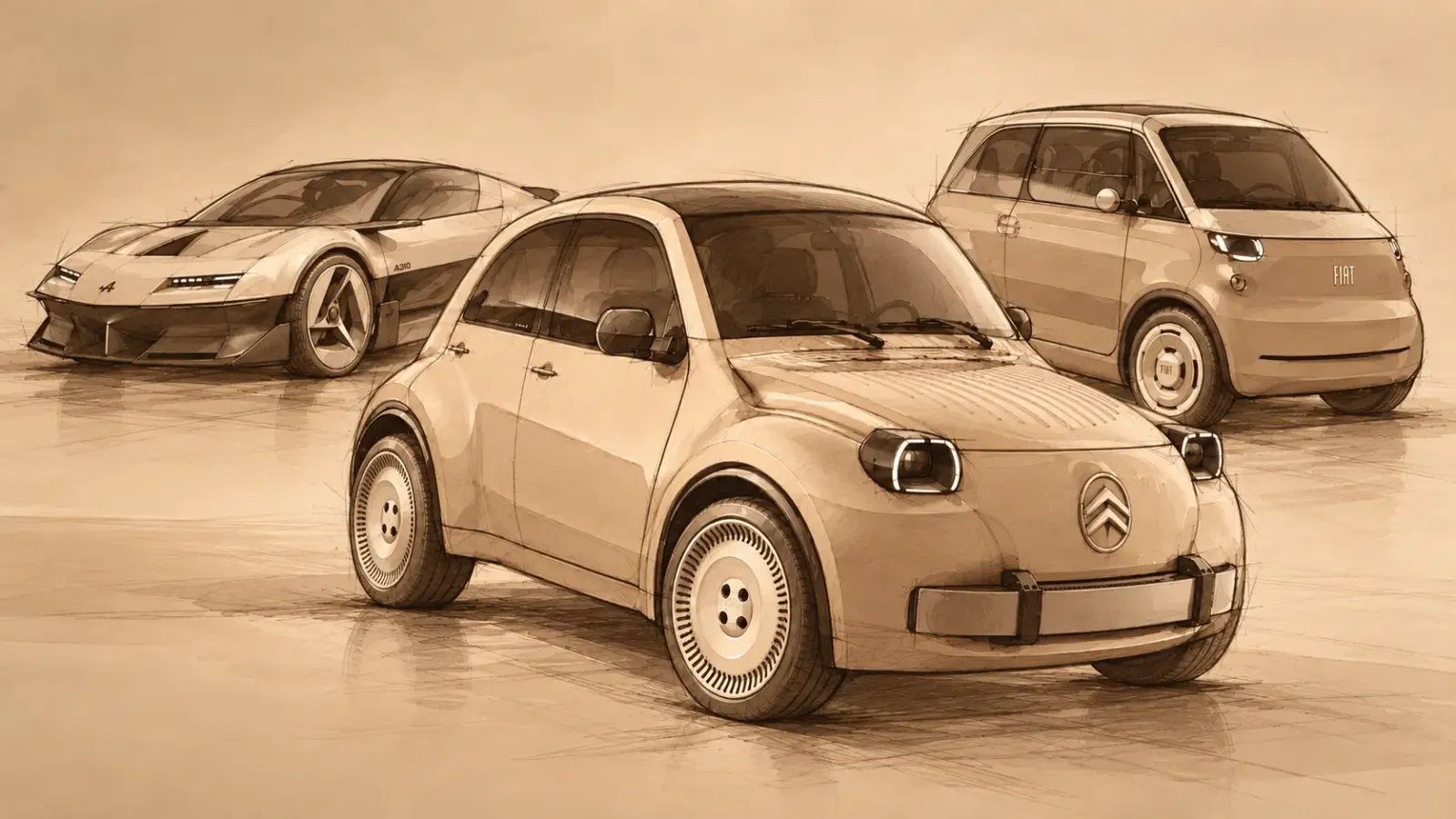
The 2026 Paris Motor Show demonstrated how automotive design continues to bring back its icons. But can it still create new ones?
The car that attracted the most attention at the 2026 Paris Motor Show was a Citroën 2CV. Not the original from 1948, but its reinterpretation for the 21st century. It is now electric, equipped with a screen and various modern features expected in today’s cars. But what truly caught everyone’s attention was its appearance — that of a car that is almost 80 years old.
It wasn’t alone. FIAT revived the memory of the original Multipla with the Multiplina, Renault revisited the Espace and the 8 Gordini, Alpine brought back the A310, and Audi returned the A2. In most cases, they are prototypes, true, but not all will remain just stylistic exercises.
The pattern is clear. Nostalgia has perhaps been the biggest driving force in Paris. And this is starting to become a cause for concern.
The automotive industry, especially the European one, is becoming like Hollywood: it seems to no longer know how to do anything other than remakes. This formula ensures revenue and keeps businesses afloat, but it also reveals a concerning lack of creative innovation.
The past has become our safe haven
Automotive revivalism is not new. The Volkswagen New Beetle, BMW’s MINI, and the FIAT 500 have shown how reviving an icon can be an excellent business strategy. But there is a difference between occasionally bringing back a historic model and turning nostalgia into a survival strategy.
We indeed live in turbulent times. There is economic and energy instability, ongoing wars, and we have gone through a pandemic. Perhaps it’s no coincidence that, faced with an increasingly uncertain future, we seek comfort in a past we know. Or at least in the idealized version we construct of it.
Brands have realized this. And now that they need to convince millions of Europeans to adopt electrification, it seems they have found a winning strategy: wrapping a technology that many still view with skepticism in the comforting blanket of nostalgia.
It works. Just look at the success of the Renault 5 and the attention the new 2CV has drawn in Paris.
I understand the fascination. Many of these cars restore exactly what seems to have disappeared from contemporary car design: charm, personality, and an identity that doesn’t rely on giant air intakes (often fake), aggressive headlights, oversized grilles, or surfaces decorated with edges and wrinkles “just because.”
But does the solution to a visually poor present always have to lie in the past?
When Design Stays Surface-Level
When I studied industrial design, one of the exercises involved taking a mundane object, like a nail clipper, and drawing it over and over again to refine my skills. Then we had to reinterpret it as if it were created in the 50s, 60s, and 70s.
We weren’t trying to create a better nail clipper—one that was more ergonomic or performed its function better. We were simply changing its appearance to fit a certain style.
ADVERTISING
This Italian brand also owes its success to retro design
Discover nearly two hundred FIAT 500 models starting at 5,500 euros.
It was purely a matter of style. I’m not complaining. After all, automotive, product, and industrial designers create and engineer objects that someone will buy. The aesthetic aspect is fundamental. Generally speaking, no one wants ugly things.
But this is where my discomfort with current revivalism begins. Design isn’t just about giving an object a nice shape. It’s about questioning that object and seeking better solutions to real problems.
The original 2CV didn’t become an icon because someone decided to design a cute car. It became an icon because it started from a specific problem and found a radically different solution to everything that existed before. It was affordable, practical, and ingenious. And it ended up attracting far more people than just rural France, for whom it was initially designed.
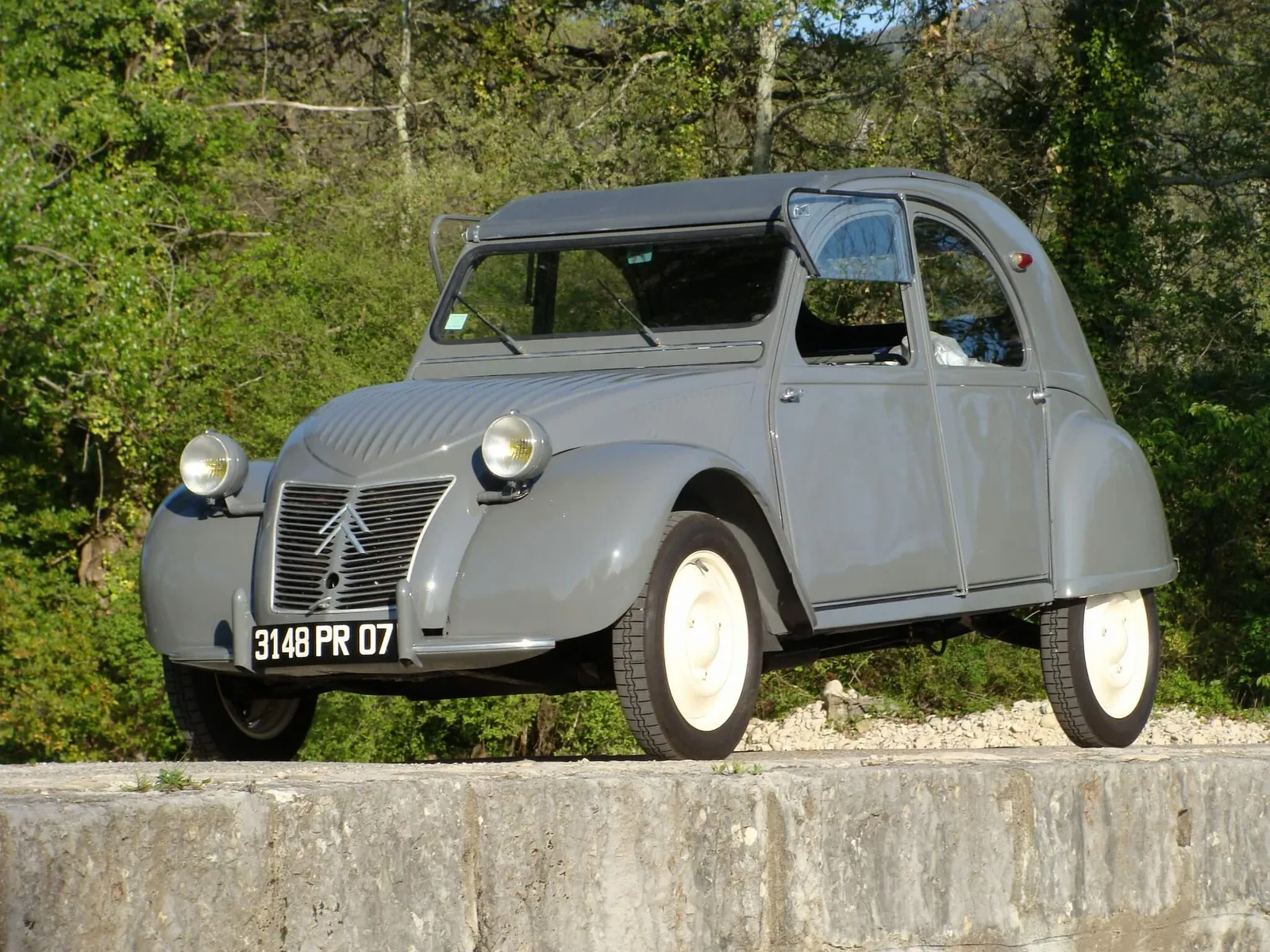
The same happened, in their own ways and with varying degrees of success, with the first Mini, the Renault Espace, or the Audi A2. These were cars that challenged conventions to address specific problems, aiming to push the boundaries of automobiles.
It is this ambition that I fear is disappearing in many modern reinterpretations.
It doesn’t mean they’re useless or lacking in innovation. The new 2CV also aims to make electric mobility more accessible. The Audi A2 returns with a focus on efficiency.
There’s substance in these projects. But when the main argument for a new creation is to remind us of another designed decades ago, something is wrong.
Where are the icons of our time?
Perhaps I’m being unfair. After all, the automobile is undergoing one of its greatest transformations in history. Electrification, software, and new architectures offer opportunities that seemed impossible just a few years ago.
Yet, when it comes to shaping the future, too many models continue to look in the rearview mirror.
It’s true that there are many others who don’t follow this formula, and some even look toward the future. But either the execution falls short — I’m looking at you, EQS — or the break from everything a brand represents is so radical, like with the Ferrari Luce and Jaguar Type 01, that it pushes us back to the comfort and familiarity of the past.
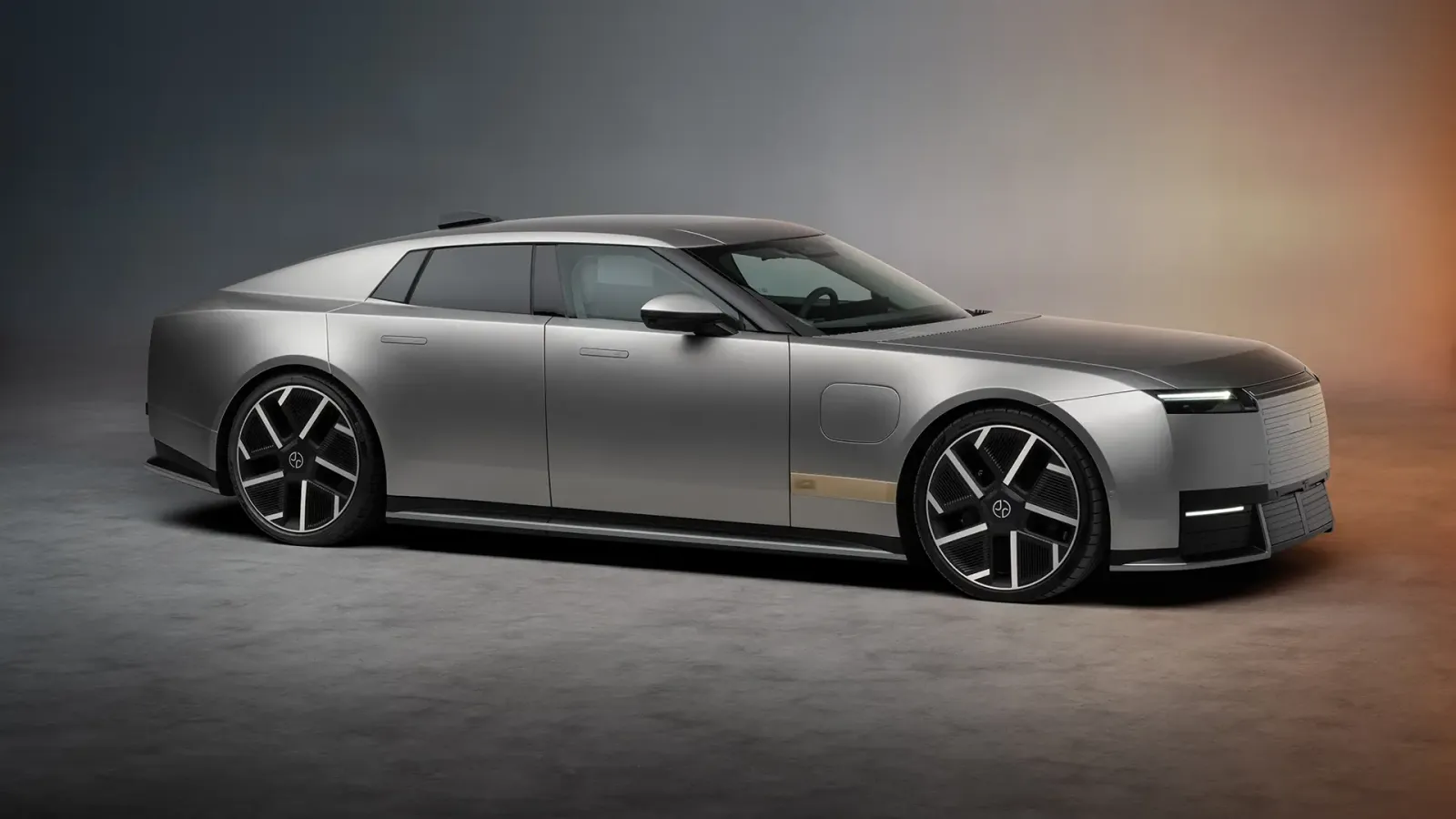
Because making changes just for the sake of change isn’t innovation either.
I’m not arguing that new 2CVs, Renault 5s, or Alpine A310s should stop being made. I just want there to be cars that can have the same impact today as the originals had in their time.
Cars that don’t need to borrow someone else’s identity to be desirable. Cars that are not only technologically new but also conceptually innovative.
This leads me to a question that has crossed my mind many times: In 30 or 40 years, what iconic vehicles will we be celebrating? The cars we created in this century? Or will we once again be celebrating, for the third or fourth time, the same ideas that originated in our grandparents’ time?
The problem with looking back is not looking backward. It’s stopping from looking forward.