
Legislation to Accelerate the Deployment of Autonomous Vehicles in France
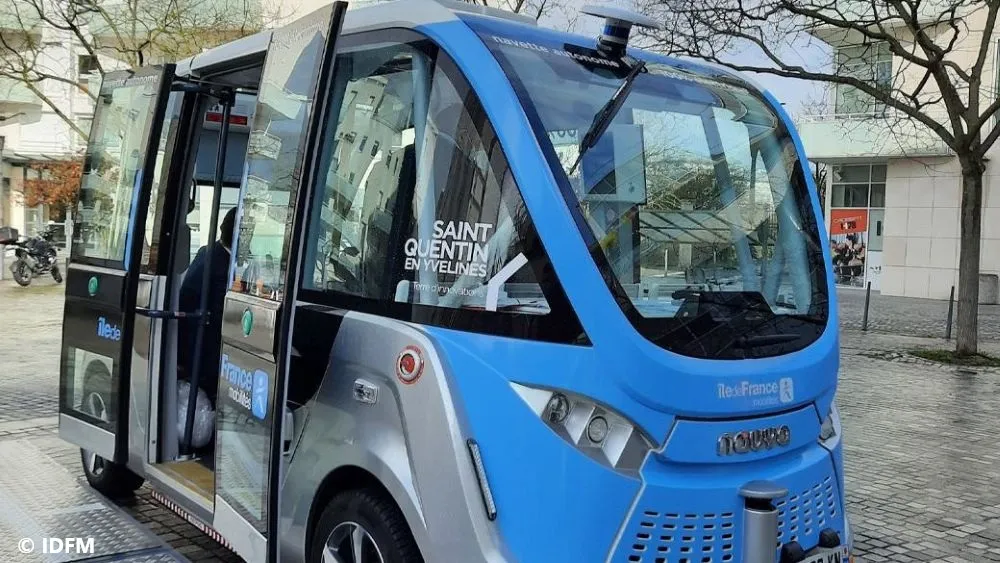

At the initiative of Transport Minister Philippe Tabarot, the Autonomous Vehicle Summit was held on October 23, 2026. Bringing together 250 representatives from the industry, it highlighted regulatory advancements and the latest innovations in the sector. This summit marks a new milestone in the deployment of autonomous vehicles. New economic opportunities are emerging, enabling faster progress from experimentation to real services available to the public. Among these are new services such as autonomous shuttles, which aim to enhance public transportation offerings in various regions. The development of autonomous vehicles will also lead to the deployment of delivery robots. Autonomous vehicles represent a major industrial challenge for France as well. The government therefore seeks to strengthen Europe’s technological sovereignty.
expertise in all the technologies required for autonomous driving.Moving from experimentation to the deployment of real services
In 2018, France implemented a national strategy for the development of automated mobility. This strategy led to more than 200 experiments across the country. It is now time to move on to implementing operational and commercial services. The first of these are expected to launch by 2028, as indicated by several announcements during the Assises. For example, Île-de-France Mobilités has decided to launch the first passenger transport service using autonomous vehicles. It will initiate a pilot project in early 2028 in the Versailles Grand Parc/Saint-Quentin-en-Yvelines/Paris-Saclay area. It plans to gradually expand the service starting from 2030. Another announcement concerns a project for an electric autonomous transport vehicle service in Clichy. This project is being pursued by the City of Clichy, G7, a leader in taxis in France, and
Milla, a provider of autonomous vehicles.New services to enhance transportation offerings
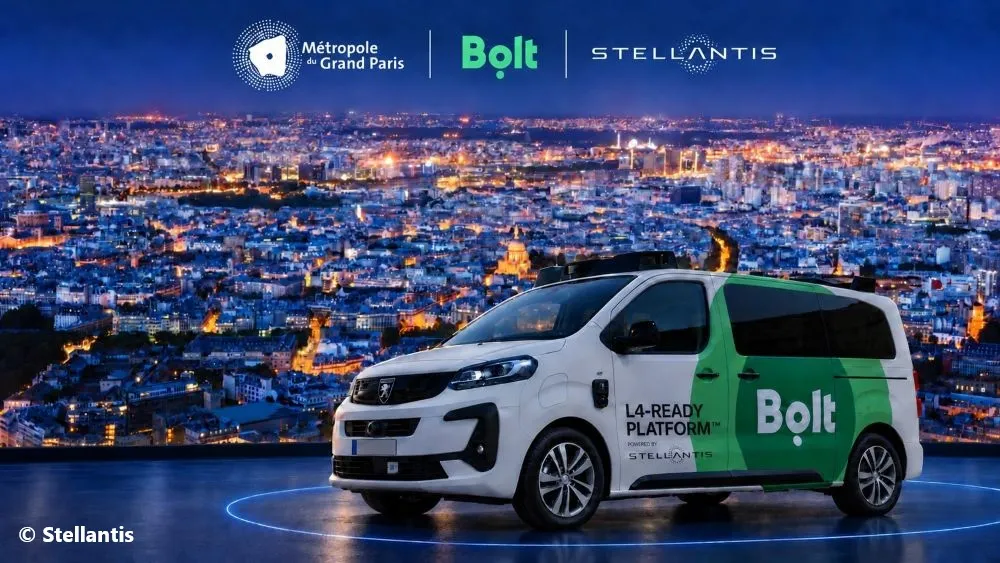
The deployment of operational autonomous vehicle services should help enhance transportation options in rural areas. Autonomous vehicles must thus contribute to improving service coverage in rural and suburban regions. They should also facilitate connections with existing main transportation routes. Within the Greater Paris area, Bolt and Stellantis are planning to launch autonomous mobility services. Starting in 2028, this project could cover around thirty municipalities by 2030. It will leverage Stellantis’ expertise in L4-Ready platforms and automotive engineering. Bolt, on the other hand, will bring its skills in mobility solutions and large-scale deployment across Europe. The goal is to develop a model that can be widely implemented—a solution for first and last-mile trips.
e, access to job centers and coverage of major events.The future development of delivery robots
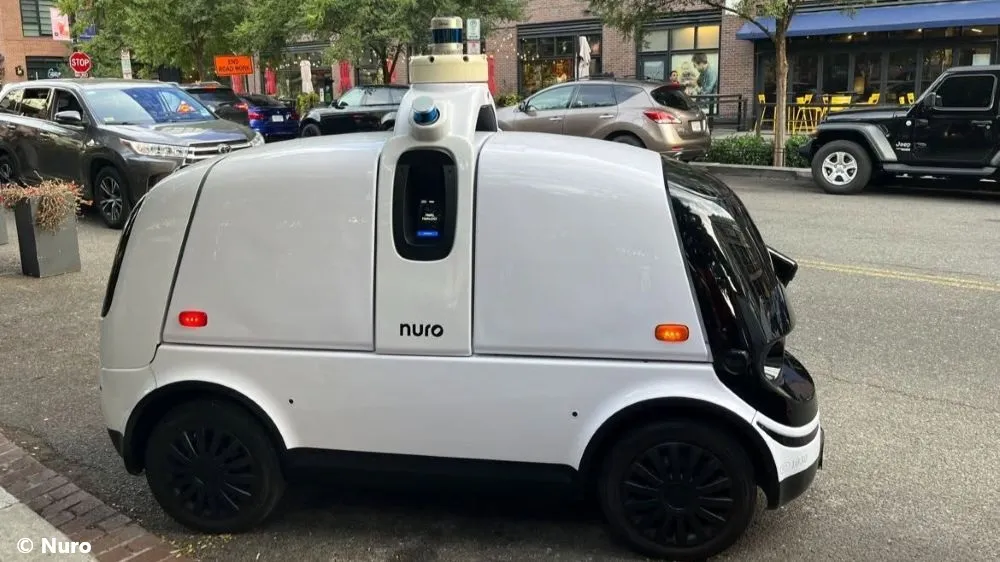
Passenger transport is not the only sector affected by the development of autonomous vehicles. It also presents an opportunity to transform freight transportation, especially in urban centers. Delivery vehicles and robots could handle the last mile of delivery between logistics hubs and their recipients. Since August 7th, they have been allowed to operate on French roads. Compact and electric, they make urban last-mile logistics cleaner, quieter, and more efficient. The government aims to go further and is taking a new step forward. It will examine, in particular, the conditions under which small autonomous robots could operate on sidewalks and pedestrian areas. Additionally, to support project developers, the government
The government will establish a single window at the national level as a way to simplify all administrative procedures.The issue of national sovereignty
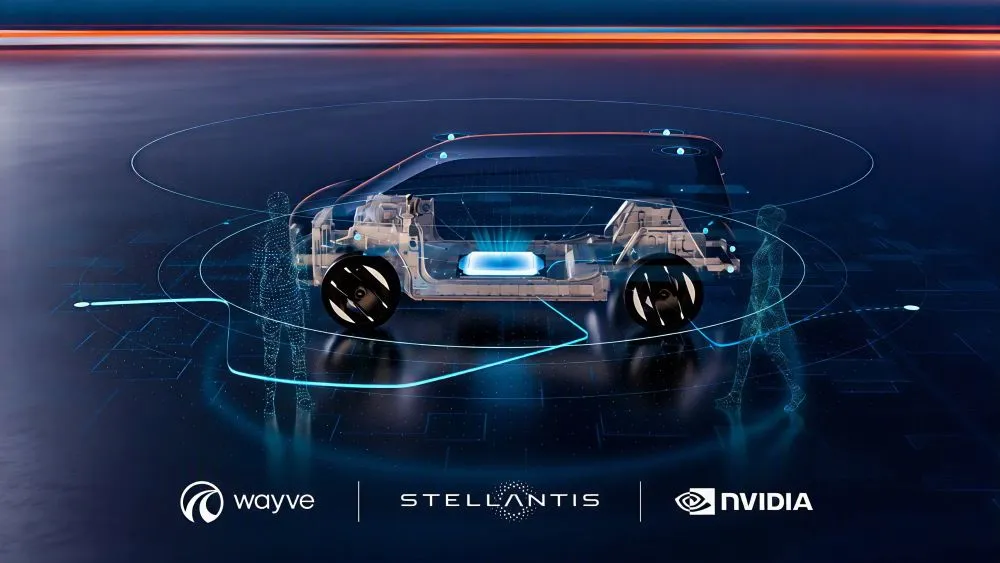
The development of autonomous vehicles also represents a major industrial challenge for France. The government aims to build a French and European ecosystem capable of mastering the technologies needed for autonomous driving. This includes vehicles, as well as software, artificial intelligence, and collected data. In this context, it welcomes another announcement from Stellantis at the Autonomous Vehicle Summit. Stellantis said it has begun a new partnership with artificial intelligence specialist Wayve and American giant NVIDIA. The goal is to combine their expertise to accelerate the development of autonomous vehicles in Europe. The automaker will contribute its platforms designed for level 4 autonomous driving, while its two partners will provide the artificial intelligence technologies.
The necessary artificial intelligence and computing capabilities. The combination of these expertise areas should position France as the hub for a comprehensive ecosystem around autonomous vehicles.