
After electric vehicles, Europe turns its attention to Chinese hybrids
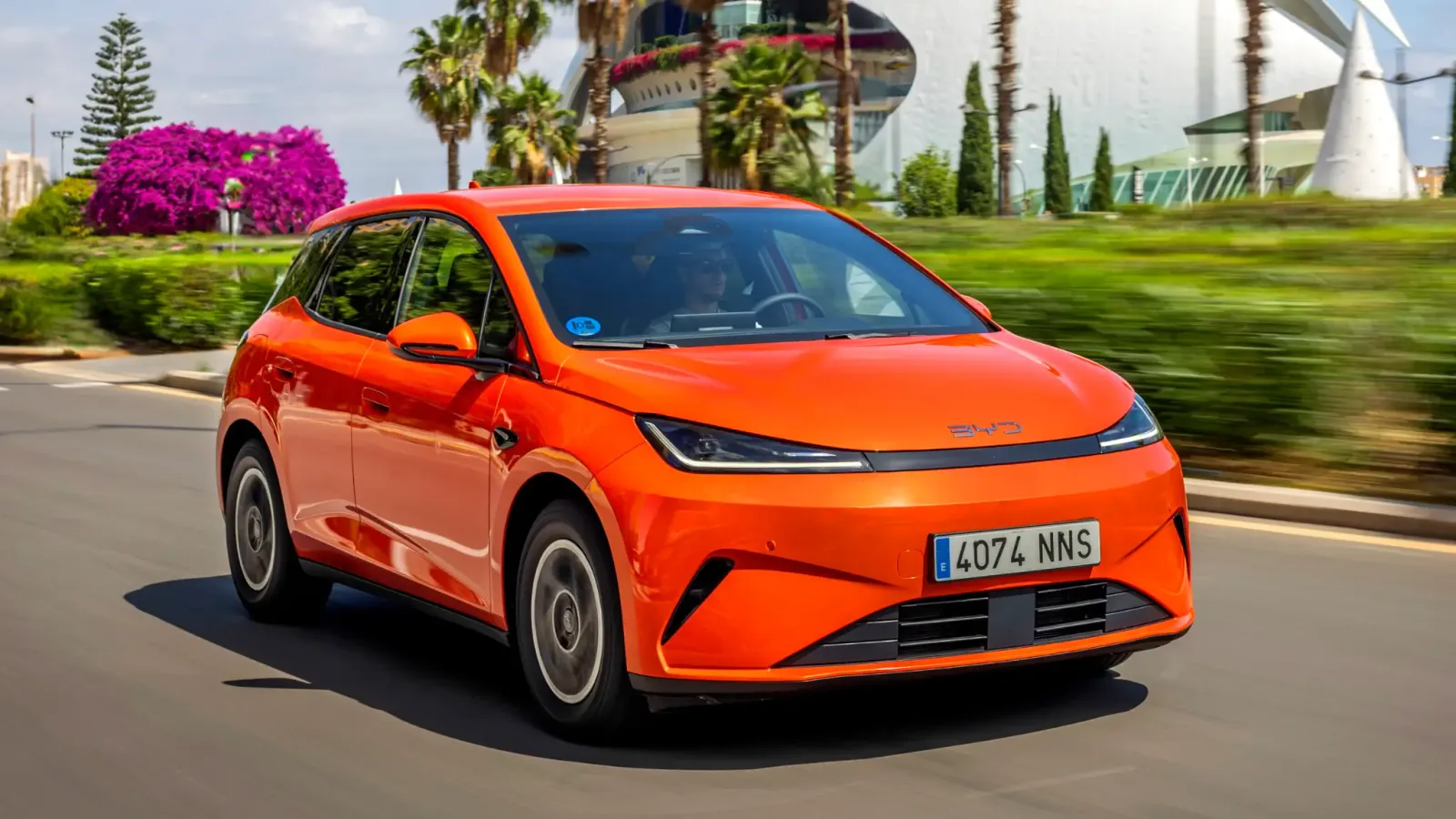
The EU wants China to voluntarily limit exports of hybrids. If no agreement is reached, Brussels may take action on its own.
In 2024, the European Union decided to impose additional tariffs on electric cars manufactured in China. However, hybrids and plug-in hybrids produced there were exempt from this new regime.
Since then, despite various negotiation attempts, Chinese automakers have sought ways to circumvent this barrier. Some have even started investing in production within Europe to avoid the tariffs.
For hybrids, however, entering the European market has been easier. This is an advantage that Brussels now wants to reduce by expanding protection measures for this type of vehicle.
It’s either good… or it’s bad
According to the Financial Times, the EU is asking China to voluntarily limit exports of hybrids to the European market so that they account for about 15% of the market.
This proposal comes at a time when sales of Chinese hybrids in Europe have been growing rapidly. Currently, their share is around 33%, while imports of hybrids manufactured in China are set to exceed 50,000 units by July 2026 alone.
In January, the European Commission confirmed that no specific investigation into Chinese hybrids was underway, but in June rumors emerged that measures to curb them might be being prepared.
For now, Brussels seems willing to explore an alternative solution: instead of imposing new tariffs immediately, it aims for Beijing to voluntarily agree to limit exports.
If China refuses to curb the growth of its exports, the EU may take action on its own. This possibility was summarized by a European official cited by the Financial Times: “If they don’t limit exports to our market, we will do it. This is about stopping deindustrialization. We must act. It’s a matter of managing trade.”
The problem goes beyond cars
The pressure on Chinese hybrids is part of a much broader trade debate. Brussels is also seeking to limit Chinese exports of other products, such as chemicals, while aiming to increase Chinese purchases of European goods.
This issue is particularly relevant to the automotive industry, which faces not only an increase in imports of Chinese vehicles but also growing pressure on European production.
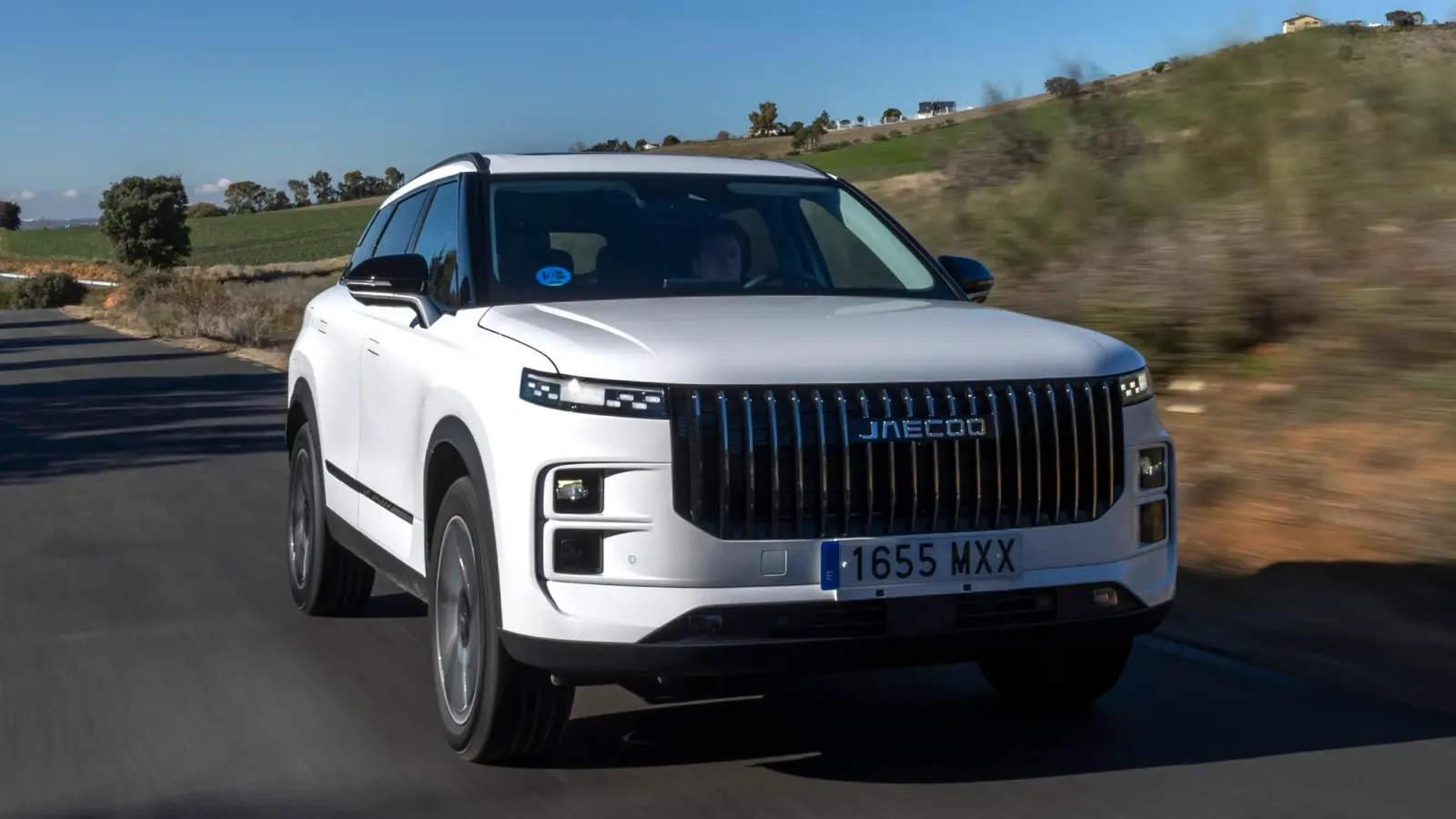
Beijing, on its part, rejects accusations of overcapacity and state subsidies that distort competition, arguing that these concerns are being used to justify protectionist measures.
Brussels wants concrete results in negotiations with China by early October, when the European Commissioner for Trade, Maroš Šefčovič, is scheduled to visit the country.