
‘Demand doesn’t just appear’: Industry responds to ZEV Mandate review
News
Reports of accelerated consultation to cut zero-emissions targets spark warning of damage to UK investment and confidence
MA
Matt Allan
11 August 2026 · 5 min read
EV industry leaders have urged car makers to “complain less” and focus more on developing demand for EVs, amid rumours of an early ZEV Mandate review.
According to The Times, the Government is set to bow to industry pressure this week and announce an early review of the mandate.
Such a review could include proposals to slash the zero-emissions vehicle targets for coming years. Currently, the mandate will require 80% of all new car sales to be zero-emissions by 2030 – effectively meaning battery electric. However, rumours suggest this target could be cut to 70, 60 or even 50% in the face of pressure from the automotive industry.
It is thought that the difference in sales would have to be made up of plug-in hybrid vehicles, and that the 2035 target for an end to all combustion engine sales would remain in place.
According to The Times, a source familiar with the Department for Transport’s consultation plans said there was recognition that demand had not developed as envisioned when the original targets were set.
‘Mandate isn’t too ambitious’
However, Tayna Sinclair, CEO of industry body Electric Vehicles UK, accused the car industry of failing to do enough to help stimulate demand.
She said: “The ZEV mandate isn’t the problem. The problem is many of those responsible for delivering it are spending more time complaining about demand than creating it.
“Car manufacturers are among the biggest and most sophisticated marketers in the world. Claims that demand simply isn’t there ring hollow. They know better than most that demand doesn’t just appear. It is built.
“The mandate isn’t too ambitious. It is deliberately flexible. Nor are EV sales falling short of requirements. If everyone involved spent half as much time building consumer demand as they do arguing over percentages, we would be much closer to a fully electric future.”
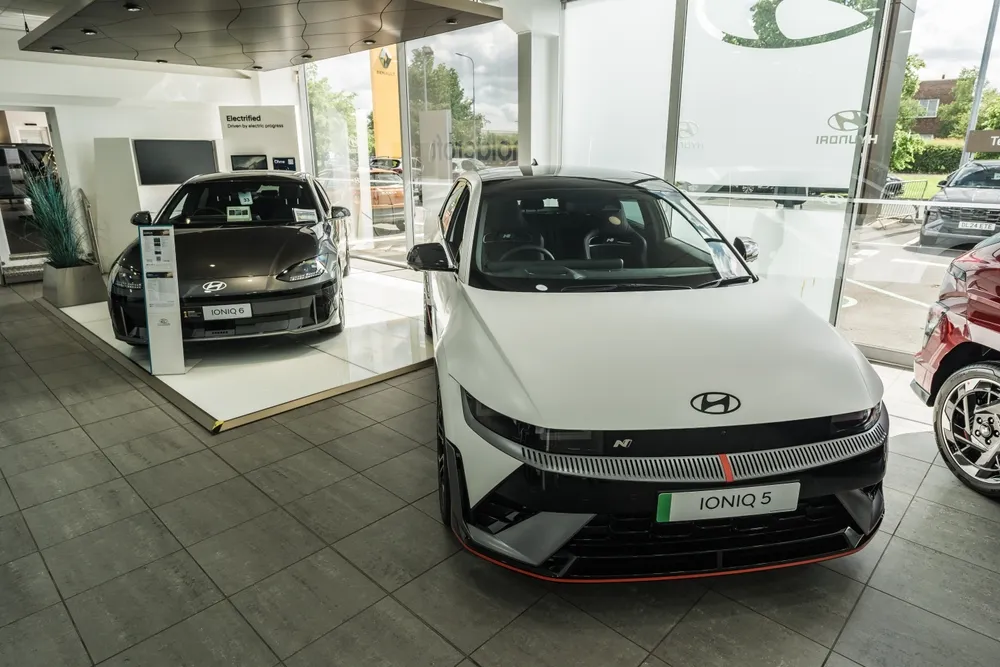
Gurjeet Grewal, CEO of Octopus Electric Vehicles, said the UK had seen strong investment because of the clear path of the mandate and changing it now would “send the wrong message”.
He noted: “The ZEV mandate is working. EVs are increasingly the best-value cars on the road and sales continue to grow at a remarkable pace. The last thing we need is another policy wobble that confuses consumers and puts investors off just as the transition is accelerating.”
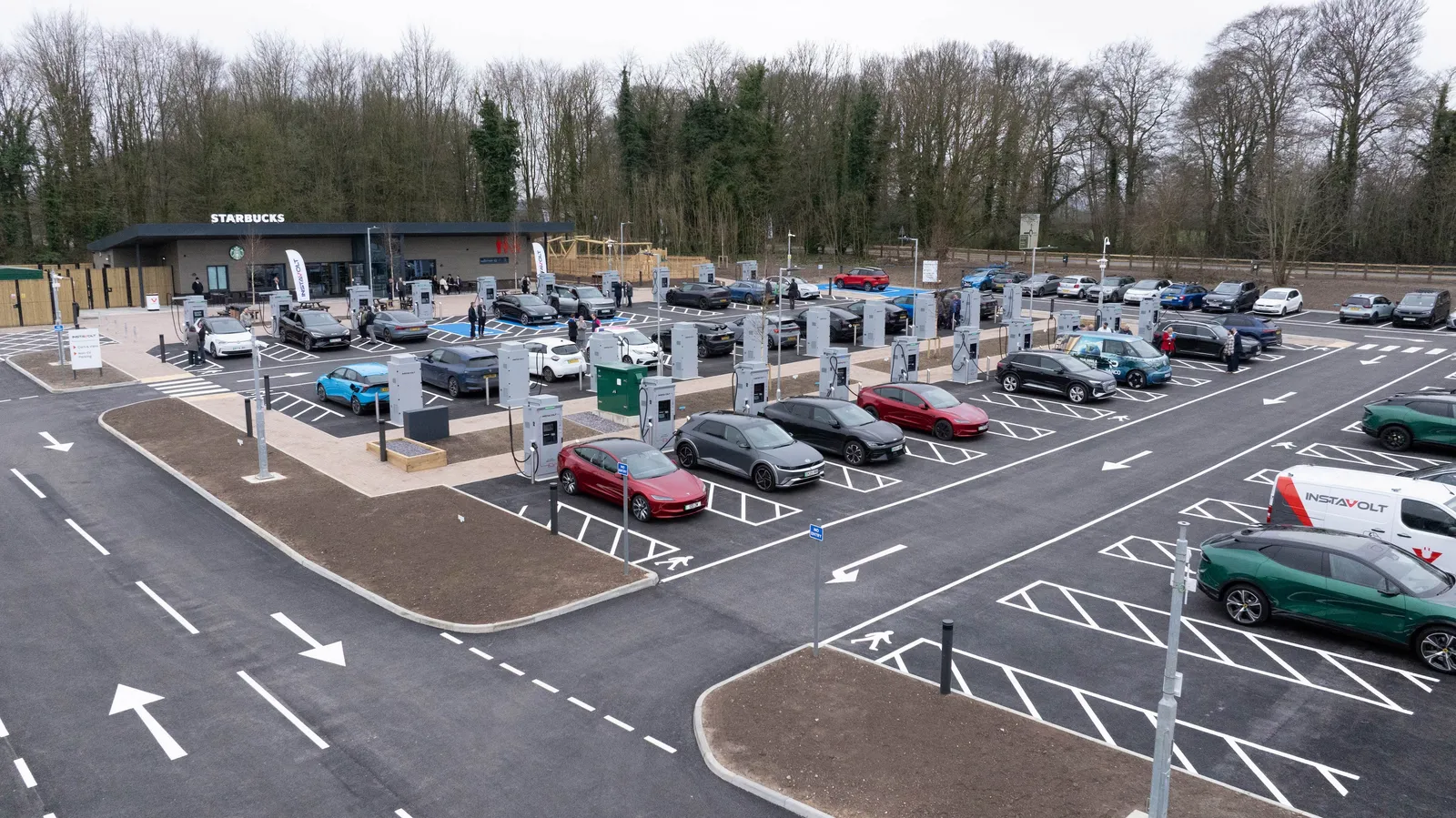
Delvin Lane, of Instavolt urged car makers to recognise and seize the growing EV demand or watch competitors “take the opportunity they’re hesitating over”.
His comments refer to the strong EV performance of several new Chinese brands compared with European and Japanese “legacy” manufacturers who are struggling to hit their targets.
He added that chargeplace operators had spent billions of pounds investing in the ultra-rapid network on the basis of the mandate. He warned that changing it now would “spook” vital investors, potentially harming the UK’s long-term infrastructure plans.
Dr Andy Palmer, chair of Electric Vehicles UK and the man who helped bring the first Nissan Leaf to market, warned that PHEVs were still just a “transition technology. He said: “The destination remains BEV, with efficient REEVs playing a useful role along the way.
“The key is plugging into cheap-rate electricity wherever possible – overnight at home, at work or on the street. That means getting the infrastructure right, and educating the consumer at the point of sale.
“And if hybrids are still needed beyond 2035, they should be efficient REEVs, designed to run primarily on electricity rather than petrol cars carrying a token battery.”
Financial argument ‘doesn’t add up’
The rumours of an early consultation came after new Energy Secretary Miatta Fahnbulleh, said she wanted to strike a balance between delivering previously planned clean power targets and protecting household finances.
She said: “We need to keep momentum [towards clean power]. But we’ve also got to do it in a way that works for people. And that is about affordability.”
However, Kelly Butler, director of external affairs at engineering industry body BEAMA, said that claiming weaker EV targets were good for household finances “simply doesn’t add up”.
He noted: “The government’s own figures show that in many cases an EV is already cheaper to run than a petrol or diesel car, saving drivers up to £1,400 a year. If policymakers want to reduce the cost of living on a long-term basis, they should focus on addressing the cost imbalance between electricity and fossil fuels, and providing more flexible tariffs.
“Weakening the ZEV mandate comes with a significant carbon cost. Our analysis suggests that if the 2030 ZEV target is lowered from 80% to 50% and the reduction in EV sales is made up by petrol and diesel cars, those additional vehicles could generate almost 19 million tonnes of carbon emissions over their lifetimes. That’s equivalent to around two months of emissions from the UK’s entire domestic transport sector.
“Investment in the UK risks becoming another casualty of this policy flip flop. Manufacturers have made long-term commitments on the basis of the transition Government asked them to deliver. Those decisions cannot simply be switched on and off when targets change.”
EVs continue to represent a growing portion of the UK’s new car market but are still short of the current ZEV Mandate targets. Last month, they accounted for 27.5% of all new car registrations and for the whole year represent just over 25%. The current year-end target is 33%, which the Society of Motor Manufacturers and Traders argues is unobtainable.