
10% to 80% in five minutes: this is Chery’s new ultra-fast charging
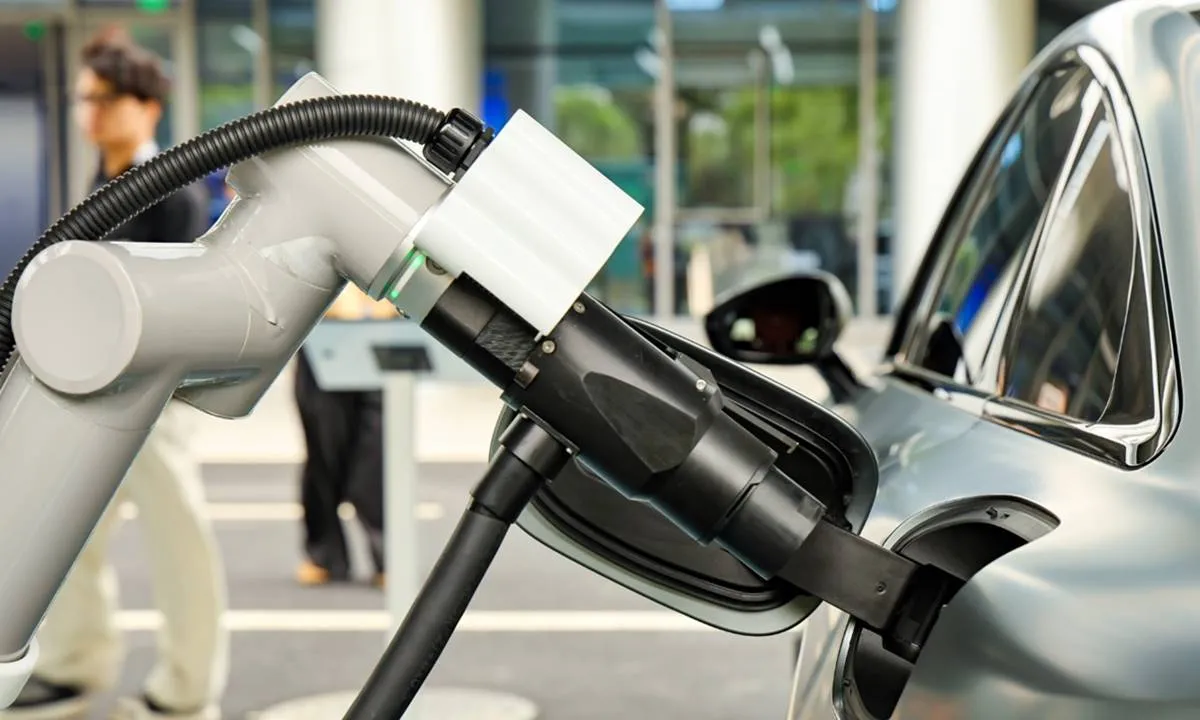
Reducing charging stops to levels close to those of refueling is one of the main goals for electric vehicle manufacturers. Chery has proposed a solution that combines ultra-high-power chargers, energy storage, and a system that automatically connects the car. This set of technologies aims to speed up charging and simplify its use.
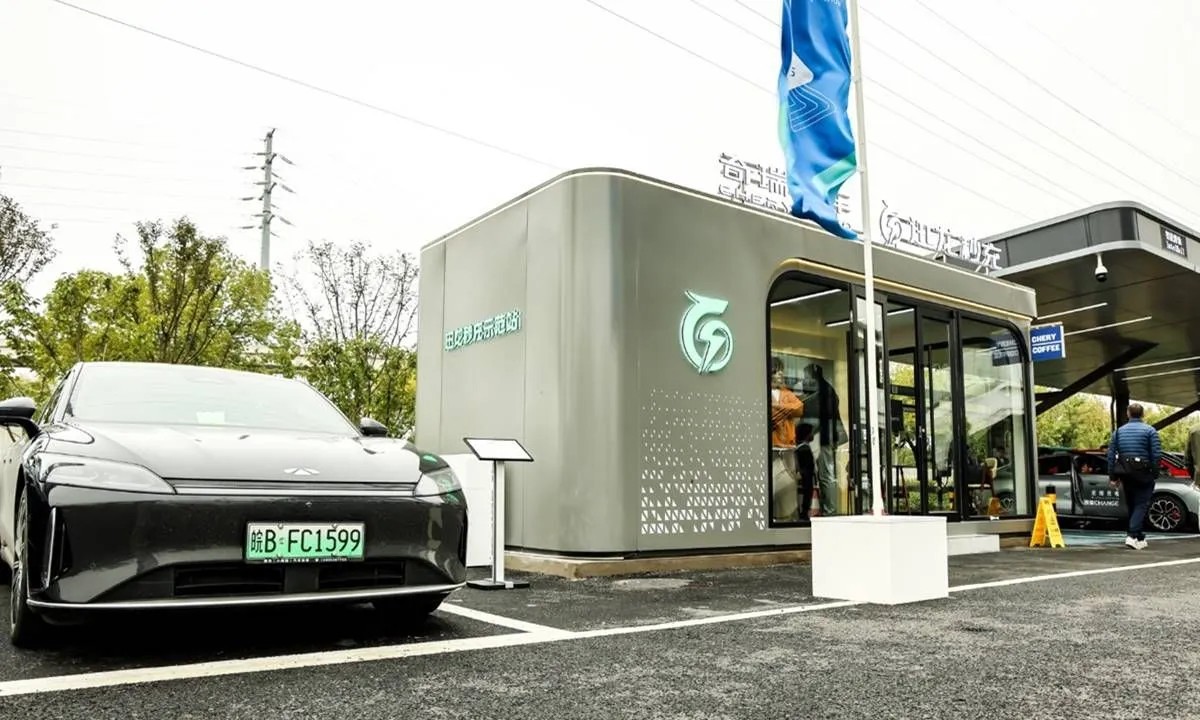
The key component is Volt-Dragon Charging, a station capable of delivering 800 kW continuously with a peak capacity of 1,440 kW.
According to Chery, this system will allow drivers to regain 500 kilometers of range in five minutes, the same time it takes to charge from 10% to 80%. The brand claims it only takes about 6 minutes and 50 seconds to charge from 10% to 97%.
The challenge goes far beyond the charger. To achieve those charging times, the vehicle must have a battery designed to handle extremely high power inputs, a compatible electrical architecture, and cooling systems capable of regulating temperature. That’s why connecting a conventional model to this station won’t result in automatic charging at the maximum advertised power.
In addition, it’s necessary to test how the system performs under real-world conditions. Ambient temperature, battery condition, and charge level at the start of charging can significantly affect the results. It’s also important to understand the full charging curve: maintaining high power throughout most of the process is what truly helps reduce downtime.
Storage and automatic connection to complete ultra-fast charging
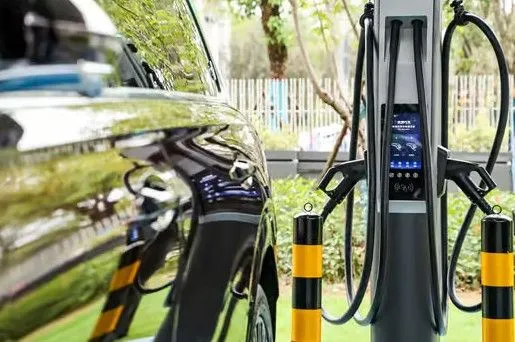
To prevent such high power levels from requiring an immediate equivalent supply from the electrical grid, Chery incorporates a storage system between the connection and the chargers. The batteries in this system act as a reserve that can deliver energy during periods of peak demand. This solution can also help maintain service during power outages, up to the limits of the stored energy.
The station uses silicon carbide power electronics and liquid cooling, with an announced conversion efficiency of 96.5%. Its smart management system allows it to take advantage of the cheapest electricity hours to charge the storage and optimize operating costs. Chery is also considering future V2G functions that would enable energy exchange between compatible vehicles and the grid.
Another innovation is a robotic arm that identifies the charging port and connects the cable without driver intervention. The mechanism locates the port, positions the connector, and automatically makes the connection. The goal is to eliminate one of the most inconvenient aspects of fast charging: handling cables and connectors that can be heavy or difficult to position.
Chery announces that the cable and connector of its Volt-Dragon system weigh together about two kilograms. While this design aims to make usage easier, automation can be particularly useful for older adults or those with limited mobility. Its application would also be relevant in fleets of autonomous vehicles, which could go to a charging station and recharge without needing someone to plug them in.
For now, there are practical issues to resolve before expanding this solution. These include compatibility with various positions and designs of charging ports, the precision required for the car to park, and how the system handles obstacles or unforeseen situations. Not all usage conditions or the time added by the automatic connection process have been detailed either.
Deployment will begin with ten pilot stations in China, which will be used to test the system before expanding the network. Chery aims to reach 20,000 stations worldwide by the end of 2029, with plans also including Thailand and the United Kingdom. The available information does not specify a date for Spain or a final list of compatible models.
The proposal aims for much shorter charging stops, but its usefulness will depend on chargers and cars evolving at the same pace. In addition to confirming the announced figures, Chery will need to prove it can deliver these capabilities consistently and establish an accessible network. That will be the difference between a technological demonstration and an improvement that drivers can utilize on their trips.