
DEKRA Traffic Safety Report 2026: Warning Against Distractions While Driving
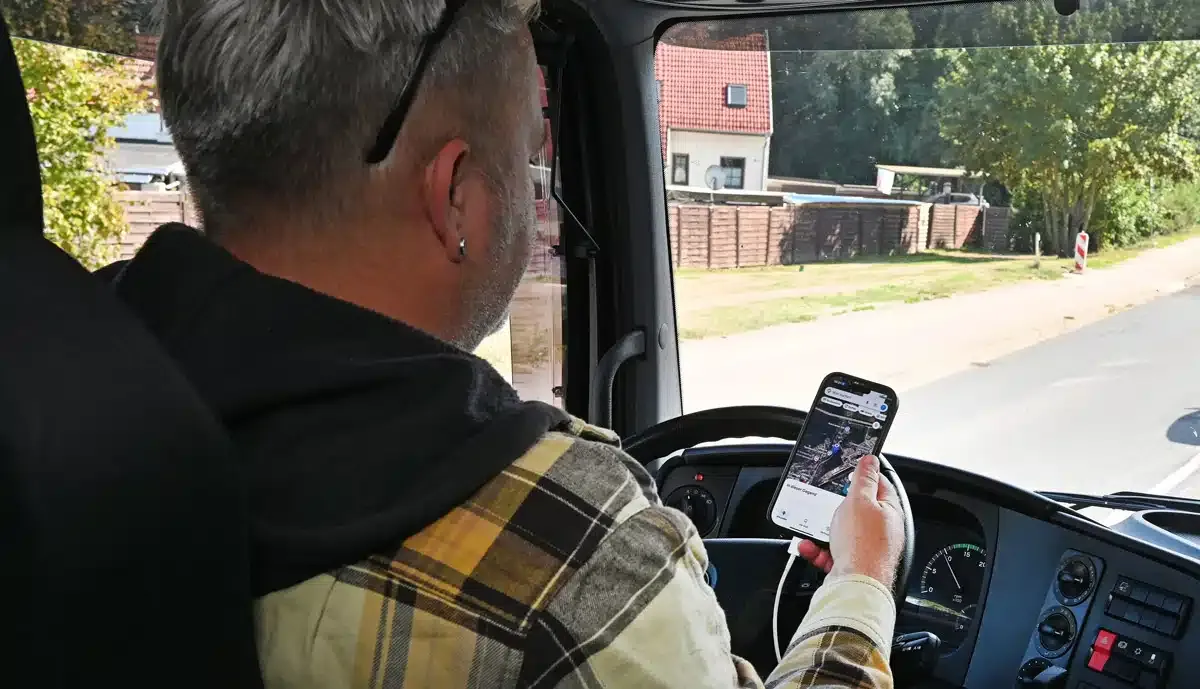
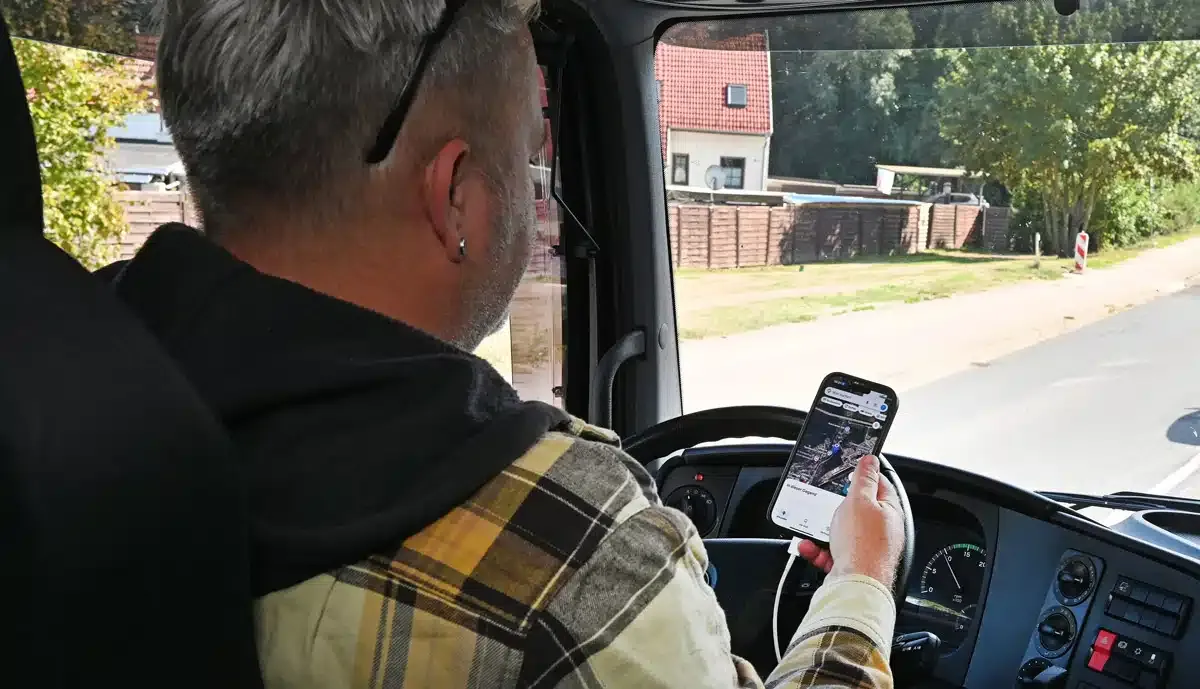
Image: Werner Popp | DEKRA
A brief tap on the navigation, lighting a cigarette, or responding to a text message: Every second spent not looking at the road while driving can lead to an accident. “Even small distractions interfere with information processing and increase the risk of near-misses, sudden swerves, or actual crashes,” warns Thomas Wagner, a traffic psychologist at DEKRA. The current “DEKRA Verkehrssicherheitsreport 2026” titled “Workplace Road Traffic” also addresses the risk of accidents caused by distractions while driving.
Many professional truck drivers, emergency responders, field customer service representatives, or courier and express delivery services spend many hours each day on the road behind the wheel. Therefore, according to the study authors, they are highly “susceptible” to various distractions while in their vehicles’ cockpits. Official figures illustrate how widespread the problem is: In 2023 alone, Germany’s Federal Statistical Office recorded more than 7,500 traffic accidents with injuries where distraction was identified as the cause. Experts, however, believe the actual number is much higher.
Various international studies cited in the DEKRA Traffic Safety Report 2026 confirm this risk. Research on taxi and truck drivers has shown that they often talk on the phone or send messages while driving. This significantly increases the risk of accidents. “Just entering a destination into the navigation system or sending a text message raises mental stress, reduces driving performance, and often leads to insufficient following distances or speed violations,” explains Thomas Wagner.
But it’s not just smartphones, navigation systems, and similar devices that cause distractions. Even in freight transportation, monotonous drives lasting many hours can become a problem. Long distances, always the same routes, and hours of driving alone often lead to boredom. Experts refer to this situation as “overload from understimulation.” Studies show that drivers tend to engage in numerous unrelated activities at such times. According to one study, nearly 40 percent of near-misses occur precisely during these moments—when their attention isn’t on the road or when they are doing other things.
With the increasing use of electric trucks, another challenge arises: drivers must find suitable charging options while on the road and plan their routes accordingly. “This search can also draw attention away and lead to what is known as ‘internal distraction,’” notes the DEKRA traffic psychologist. Therefore, reliable charging infrastructure and intelligent route planning are even more important so that drivers can focus on what matters most: road traffic.
“Only those who stay alert drive safely.”
Even the most modern technology is not a free pass. Driver assistance systems and automated driving functions do not fully solve the problem either. While drivers with appropriately approved automated systems (Level 3) may perform other tasks briefly in certain situations, they must remain ready to take control of the vehicle again within seconds at any time.
"That's exactly where the difficulty lies: Those who are deeply engaged in another task need valuable time to fully switch back to monitoring traffic. These seconds can be decisive in an emergency," warns DEKRA. Therefore, experts recommend avoiding any secondary activities while driving as much as possible. "Especially dangerous are tasks that require holding objects in the hands—such as smartphones—or keeping one's gaze fixed on a screen for extended periods," warns Thomas Wagner. Mentally demanding activities can also impair reaction time. Only simple tasks that do not heavily strain the hands, eyes, or concentration are truly unproblematic.
The most important message remains unchanged: Those who are driving should focus solely on traffic. Often, just a few seconds of inattention are enough — turning what seems like a harmless distraction into a serious traffic accident.
Also interesting
About the author
Thomas Langenbucher is an expert in electromobility with professional experience in the automotive industry and finance sector. Since 2011, he has been covering electric cars, sustainable technologies, and mobility solutions on ecomento.de. Learn more.
Reader interactions