
Deficit insurance for electric cars. Koreans are crying and paying more.
In short:
The growing popularity of electric cars also presents new challenges for the insurance industry
An example is the market in South Korea
Local insurers there are now paying out more compensation for “electric cars” than they collect in premiums
Similar trends are observed in Europe
Why? The repair costs for electric cars are significantly higher than those for gasoline-powered vehicles
A solution could be precise differentiation in premiums. This is how it works in Norway
Risk-based insurance
Electric vehicles were supposed to be cheaper to operate and have more predictable maintenance costs compared to gasoline cars, but increasing evidence suggests that from insurers’ perspective, the situation is quite different. Why? According to information published by the South Korean newspaper Korea JoongAng Daily, in the first half of 2026, South Korean insurers paid an average of 105.1 won (about 0.30 cents) in claims for every 100 won of premiums collected on electric vehicles. For non-electric cars, including hybrids, the loss ratio was 85.6 percent. Meanwhile, the industry considers a level of around 80 percent to be the break-even point.
Importantly, the problem is worsening very rapidly. In 2021, the accident rates for electric and conventional vehicles were relatively close, at 83 percent and 81.9 percent respectively. By 2025, the gap had become significant: 107.6 percent for electric vehicles compared to 88.2 percent for other vehicles. Data cited by South Korean media show that the increase in electric cars on roads is accompanied by rising costs of handling accidents. From January to September this year, new electric vehicle registrations in South Korea rose by 74.8 percent, reaching 296,801 vehicles.
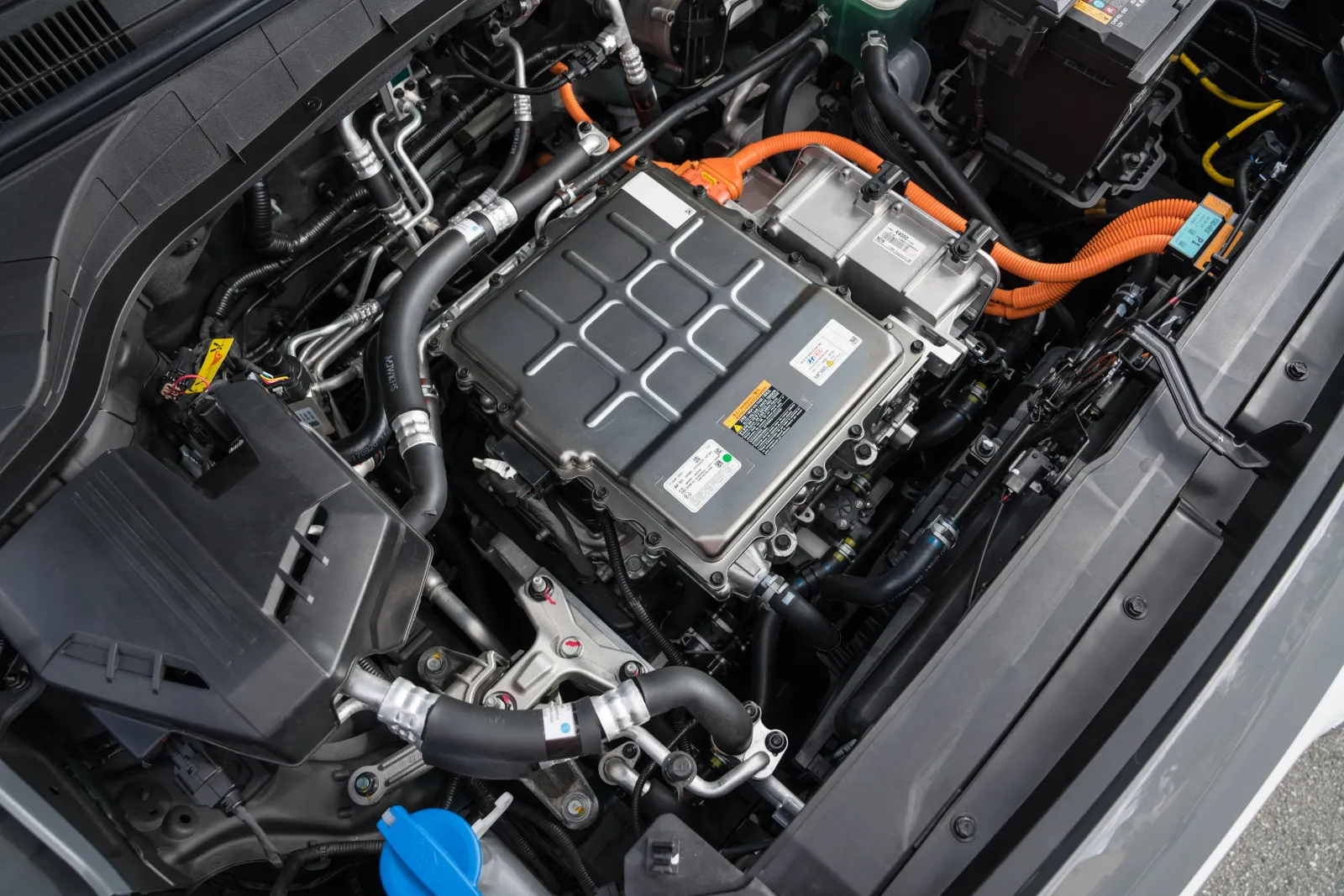
As a representative from South Korea’s insurance industry quoted by the Korea JoongAng Daily explained, “Electric vehicles use expensive components such as high-voltage batteries, which makes repairs costly. Recently, costs have further risen due to the increasing number of imported electric vehicles.”
Cheaper, but More Expensive
Experts also point out another aspect. Electric vehicles are cheaper to operate on a daily basis, so owners often drive them for longer distances than those using gasoline cars. Longer driving distances, however, mean a higher likelihood of being involved in collisions or accidents.
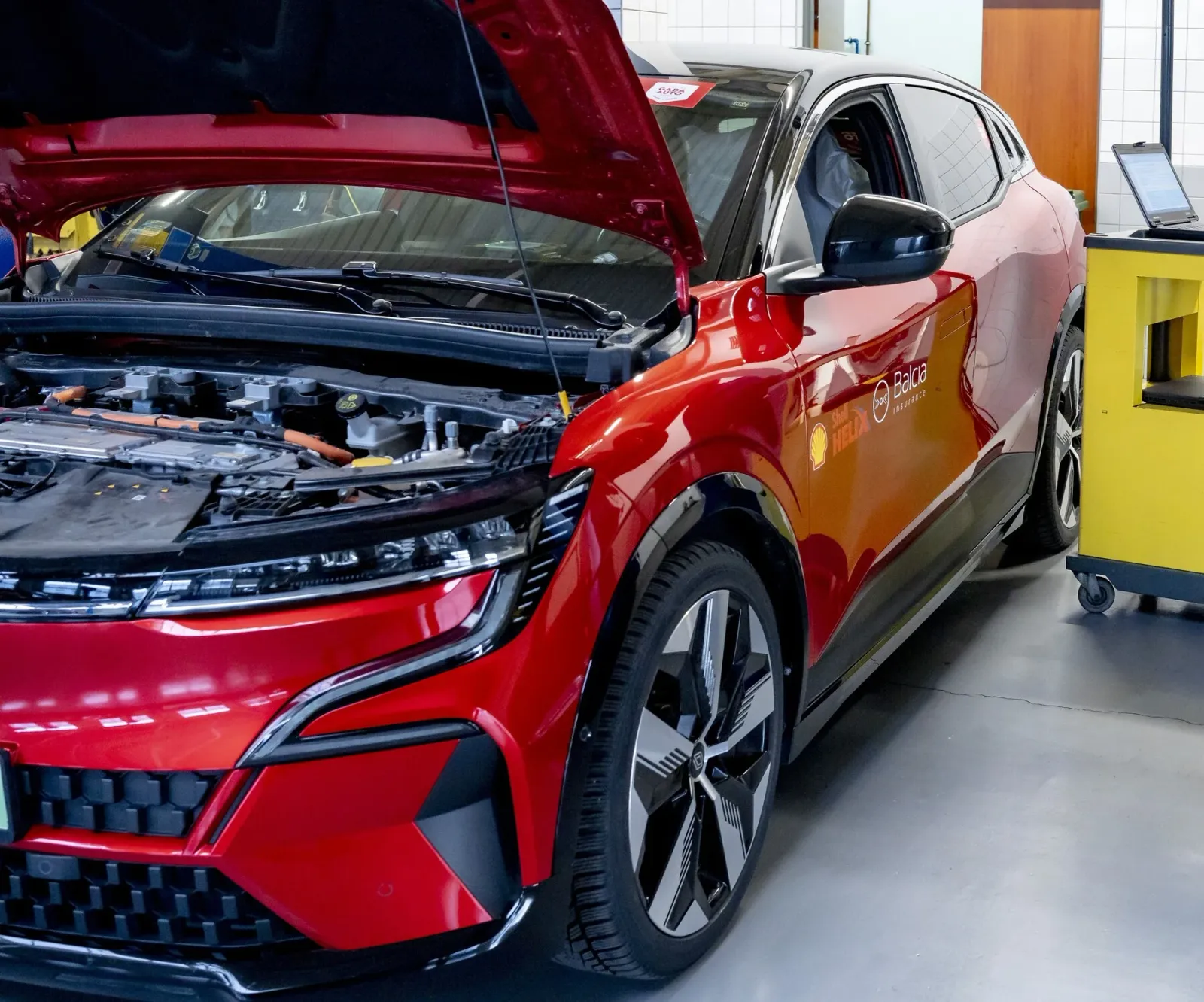
The main issue remains the high repair costs. Korean insurers note that after accidents, there is often a lack of data to accurately assess the condition of the traction battery. As a result, companies tend to opt for replacing the entire battery pack or declare the vehicle a total loss. According to Cheon Ji-yeon from the Korea Insurance Research Institute, it is necessary to “establish a framework for using battery condition and history data to evaluate repair feasibility and analyze insurance risks.”
Europe faces the same problem, though its market is more mature
The findings from the latest report by the Swiss Re Institute show that similar challenges exist in Europe as well. The difference is that as the electric vehicle market matures, insurers are becoming better at assessing risks. The report’s authors emphasize that “electric vehicles are still more expensive to repair than gasoline cars, although the gap is gradually narrowing.” They also note that the development of repair networks, improved diagnostics, and greater expertise in workshops help to reduce cost pressures.
Despite this improvement, the differences remain significant. According to data cited by Swiss Re, in Germany, the costs of auto insurance claims for electric vehicles were 15-20 percent higher than those for comparable gasoline cars between 2021 and 2023. In France, the gap was around 23 percent, while in the United Kingdom, repair costs were about 25 percent higher, and the repair process took an average of 14 percent longer.
The reasons are similar to those in Korea. Batteries, high-voltage systems, advanced driver assistance systems ADAS, cameras, radars, and increasingly complex software diagnostics mean that even what seems like a minor collision can result in a very costly repair visit, the report states.
Sometimes even a small dent is enough
The BBC’s example illustrates this well. British journalists visited Thatcham Research laboratory, which studies the impact of electric vehicle designs on repair costs and insurance premiums. During a crash test at just 10 km/h (6 mph), the front charging port of the Dacia Spring was damaged. As senior test engineer Sean Hoad explained, damage to a single component meant replacing the entire system, including the charger, inverter, and part of the electrical wiring. The repair cost was estimated at around 4,000 pounds (over 20,000 zł). In practice, the vehicle might be considered a total loss.
According to Thatcham Research, the average repair cost for an electric car is currently about 30 percent higher than that of a gasoline or diesel vehicle, with repair times being 14 percent longer. This directly results in higher insurance premiums, which can be 10 to 25 percent higher than those for comparable gasoline-powered models.
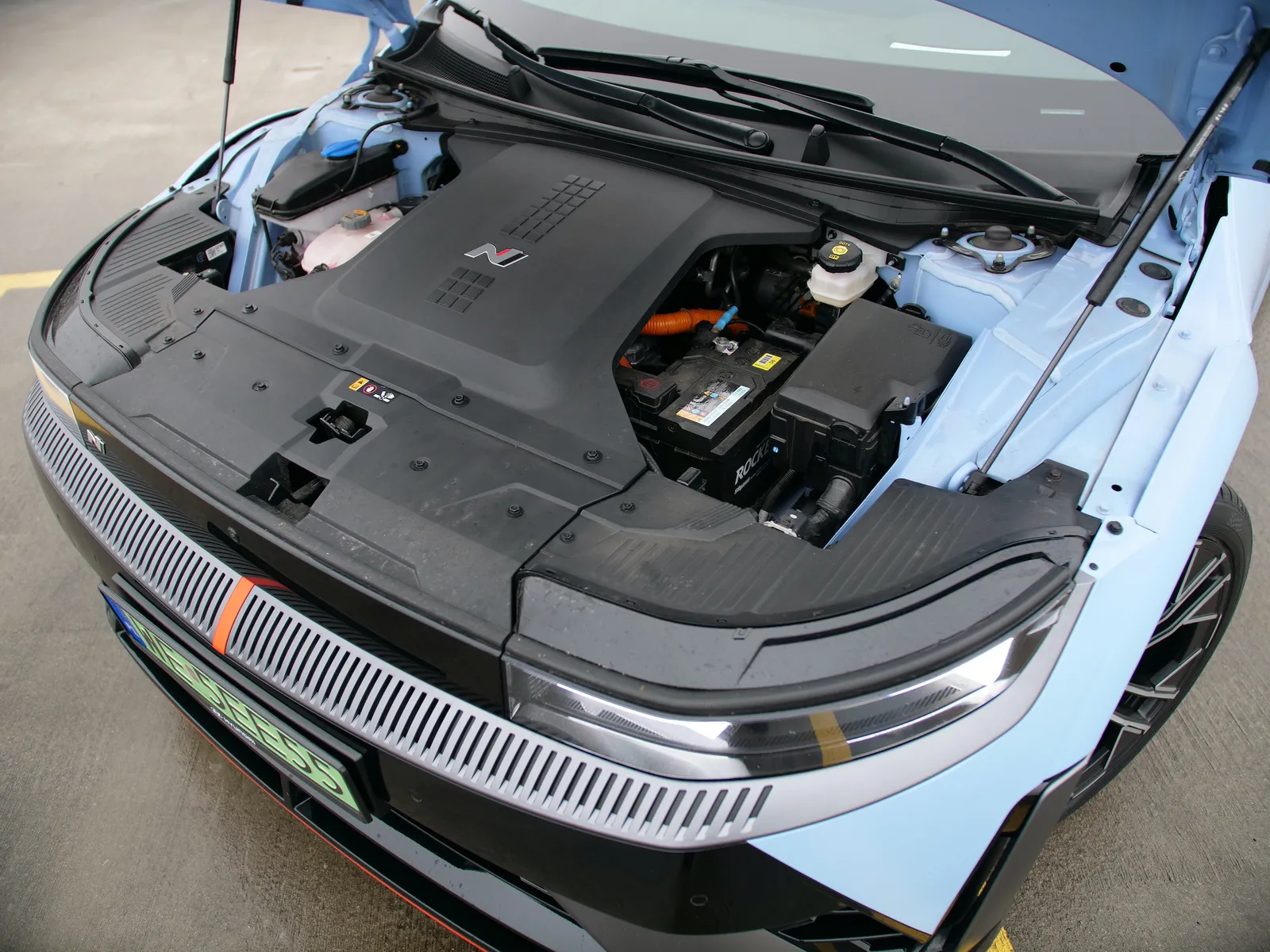
As Dan Harrowell, an engineer cited by the BBC, notes, electric vehicle manufacturers often focus on reducing the vehicle’s weight and integrating components. “Components are glued together and integrated into larger modules. This is a great solution for reducing weight, but not for repairs, as entire systems often need to be replaced instead of individual parts,” he explained.
Norway has a solution
A Swiss Re report, however, indicates that the problem is not unsolvable. A good example is Norway, the world’s most electrified automotive market, where electric cars accounted for 96 percent of new passenger car registrations by 2025 (this figure is even higher today – editor’s note).
Insurers have begun to differentiate premiums more precisely based on the vehicle model and driver profile, utilizing an increasing amount of data related to damages, parts costs, and repair times. This has helped to curb the rise in overall market losses.
Access to data may prove crucial for other countries as well. The better insurers can understand the actual risks associated with specific electric vehicle models, the easier it will be to avoid situations where rising repair costs start systematically increasing policy prices. For now, however, both South Korea’s experiences and observations from Europe show that the electric vehicle revolution comes at a cost, but…
There are two sides to every coin
A few days ago on Elektromobilni.pl, we presented the Consumer Coverage data regarding the latest costs associated with vehicle maintenance. As the International Energy Agency (IEA) notes, electric vehicles can indeed be cheaper to operate on a daily basis than gasoline cars, but they do not require engine oil changes and have fewer moving parts, which reduces expenses on inspections and repairs.
According to Consumer Coverage, maintaining electric vehicles is on average about 50 percent cheaper than gasoline-powered cars, with annual savings on operating costs potentially reaching $860 (around 3,300 zł). It should be noted, however, that not every repair will be cheaper for electric vehicles, especially after an accident, when damage to the battery or other expensive components can result in high repair bills. Lower charging and maintenance costs do not always translate into a lower overall ownership cost. Consumer Coverage also indicates that for mid-size electric sedans, the total cost of ownership can be as much as 29.1 percent higher than that of comparable gasoline cars.
Oskar Włostowski