
Will SEAT really disappear by 2029? This is what could happen, but it’s also possible that it won’t occur by 2030.
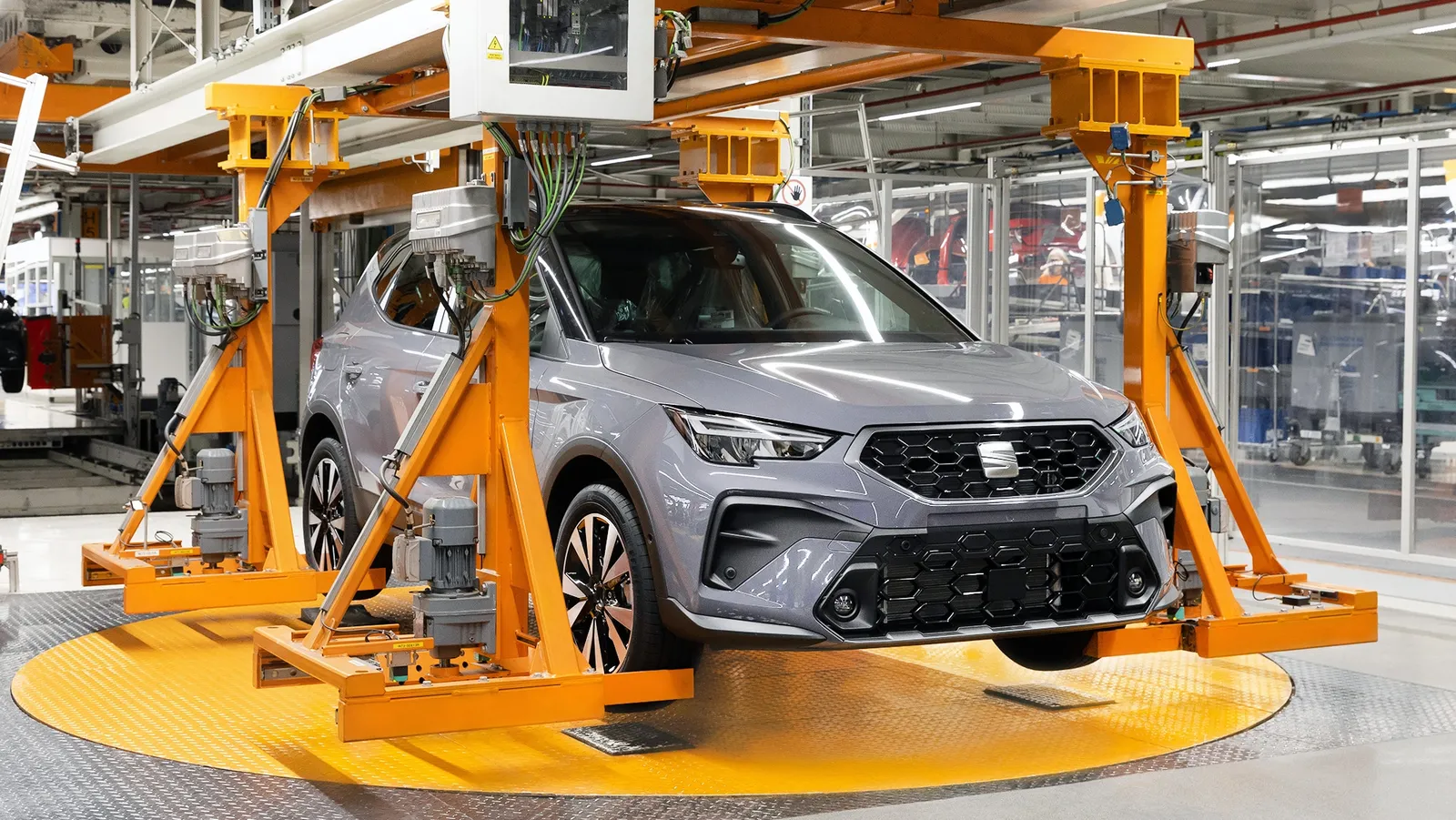
Is SEAT doomed to disappear by 2029? In recent hours, numerous headlines have essentially accepted the end of this historic Spanish brand after nearly 8 decades. This stems from internal documentation prepared for Volkswagen Group’s new major restructuring plan, which reportedly came to light through the German publication WirtschaftsWoche. It contains an extremely specific proposal: to phase out SEAT “in a orderly manner and with cost optimization, by the end of 2029 at the latest,” while continuing to serve customers and fulfill existing obligations.
However, there is a fundamental difference today between that document and an official corporate decision. Volkswagen approved its so-called Future Plan 2030 on September 3, its largest transformation program in history, but the group’s public communications do not announce the disappearance of SEAT nor set 2029 as a date for it to happen. Sources within the company also insisted before the meeting that there was no final decision regarding the brand. Thus, while the risk is real and documented, presenting SEAT’s end in 2029 as a fait accompli goes beyond what has been officially confirmed.
Where exactly does the date of 2029 come from?
The date isn’t based on a mere rumor. The aforementioned German media outlet reportedly obtained an internal 147-page document prepared for Volkswagen’s Supervisory Board meetings on September 3 and 4. According to the information presented in it, the group’s management plans to phase out the SEAT brand “no later than” the end of 2029 and gradually shift its resources toward CUPRA.
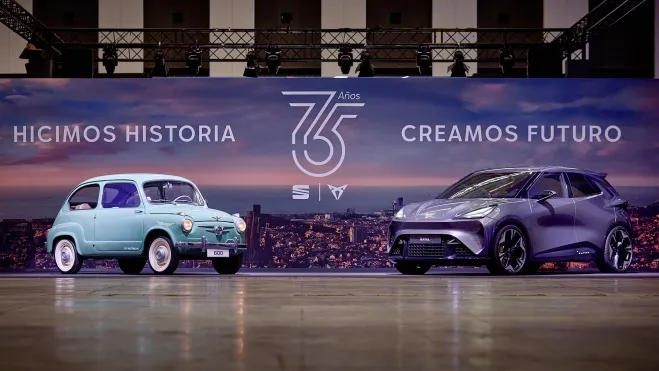
As of now, it’s true that SEAT has practically stopped receiving entirely new models, while CUPRA receives most of the investments, especially those related to electrification. The Formentor, Born, Tavascan, Terramar, and now Raval have transformed SEAT’s former sports brand into an independent marque with greater profit margins and a more distinct position within the Volkswagen Group.
The numbers support this strategy, as CUPRA delivered 328,800 cars in 2025, a 32% increase, while SEAT finished that year with around 257,000 units, a 17% decrease. In fact, during the first half of 2026, CUPRA set another record with 170,100 units. SEAT S.A., which oversees both brands, also achieved an operating profit of 122 million euros from January to June, 84 million more than the previous year.
But SEAT itself had announced new cars until 2029
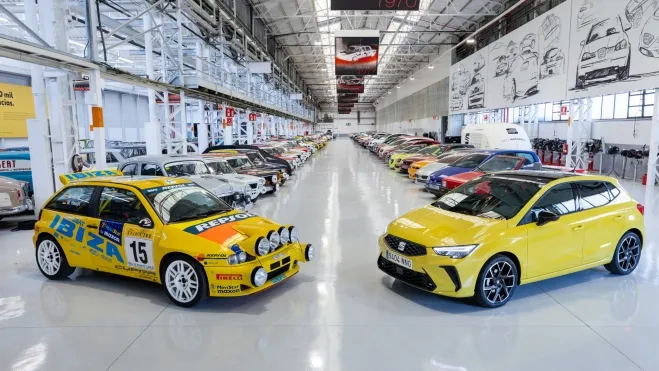
This reveals one of the major contradictions in this whole situation. In October 2025, when introducing updates to the successful Ibiza and Arona, SEAT publicly outlined a product roadmap that extended all the way to 2029. The brand announced versions with Mild-Hybrid technology for the Ibiza and Arona by 2027, a SEAT León Full Hybrid by 2028, and subsequent updates in the form of a potential new generation for the León and León Sportstourer by 2029.
In other words, less than a year ago, there was talk not only about keeping SEAT around but also about electrifying its entire lineup by 2028. The updated Ibiza and Arona arrived on the market in January 2026 and continue to perform exceptionally well in Spain. The Arona was once again the best-selling urban SUV in our country in 2025, while the Ibiza and Arona made it into the top 10 best-selling cars. SEAT sold 66,150 vehicles in Spain during that period.
However, this also does not guarantee that those plans will definitely be fulfilled. The new Future Plan 2030 has just changed the rules within Volkswagen. The group aims to reduce the number of models by approximately 50% by 2035 and cut the complexity of its product lineup by 75%. A strategy announced a year ago can therefore be revised. But it also explains why it is too early to claim that SEAT will simply cease to exist by December 31, 2029.
SEAT can stop selling cars without SEAT S.A. or Martorell disappearing.
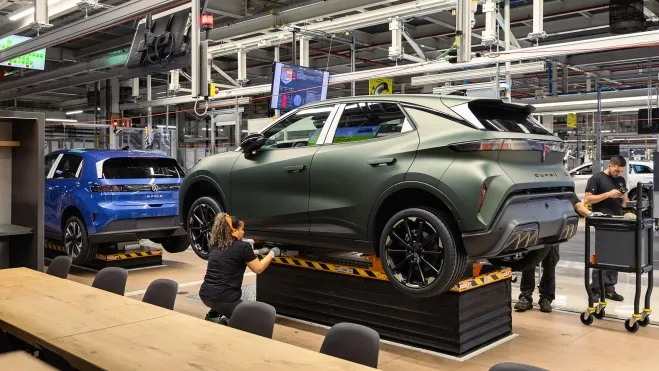
There is another common misconception, namely that the disappearance of SEAT as an automobile brand would not automatically mean the end of SEAT S.A., the company that currently manages CUPRA as well, let alone the closure of Martorell. In fact, Volkswagen Group has invested billions of euros in Spain to turn Martorell into one of its European centers for producing urban electric vehicles.
Models such as the CUPRA Raval and the Volkswagen ID. Polo are produced there. Therefore, even if SEAT logos were eventually removed from new cars, Martorell could continue to function as a key part of Volkswagen Group by manufacturing CUPRA, Volkswagen, and potentially other models.
What about those who already own a SEAT?
The leaked documentation itself contains a revealing detail here. The alleged plan talks about a “orderly” withdrawal and specifies that attention to existing customers, including after-sales service, must be ensured, in addition to fulfilling current obligations.
Therefore, even if SEAT hypothetically stopped selling new cars, it wouldn’t mean that their owners would suddenly lose warranty coverage, repair shops, or spare parts the next day. The brand currently has over 1,400 sales outlets and around 3,000 service centers worldwide, and SEAT itself explicitly stated its intention to maintain this infrastructure when presenting its product strategy.
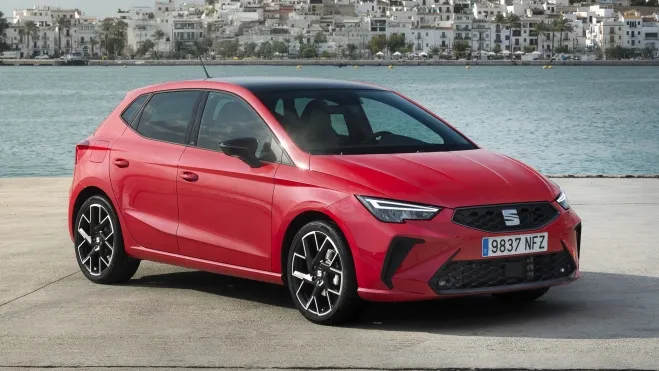
Volkswagen has indeed approved a historic cut, but not the end of SEAT
What is confirmed is that Volkswagen is undergoing a massive transformation. With the approval of the Future Plan 2030, the group will adjust its structure to achieve annual sales of around 9 million vehicles and plans to invest 135 billion euros in capital and R&D between 2027 and 2031.
In addition, as we have already mentioned, it will reduce its model lineup by approximately half by 2035, cut complexity by 75%, review about a third of its subsidiaries and businesses, and considers another 50,000 job cuts globally necessary. Volkswagen also acknowledges an excess capacity of over 500,000 vehicles in its European factories and is thoroughly reviewing its industrial structure.
It is precisely within that massive downsizing that SEAT emerges as one of the most vulnerable brands. It still lacks its own electric vehicle, shares a significant portion of its lineup and technology with other brands in the group, and competes in mainstream segments with lower margins than CUPRA. The brand that was created as a solution for SEAT could end up taking over its space within the group. Only time will reveal the answer to all this uncertainty.