
From the XL1 to Mission Efficiency: 60 years of Volkswagen’s pursuit of lower fuel consumption
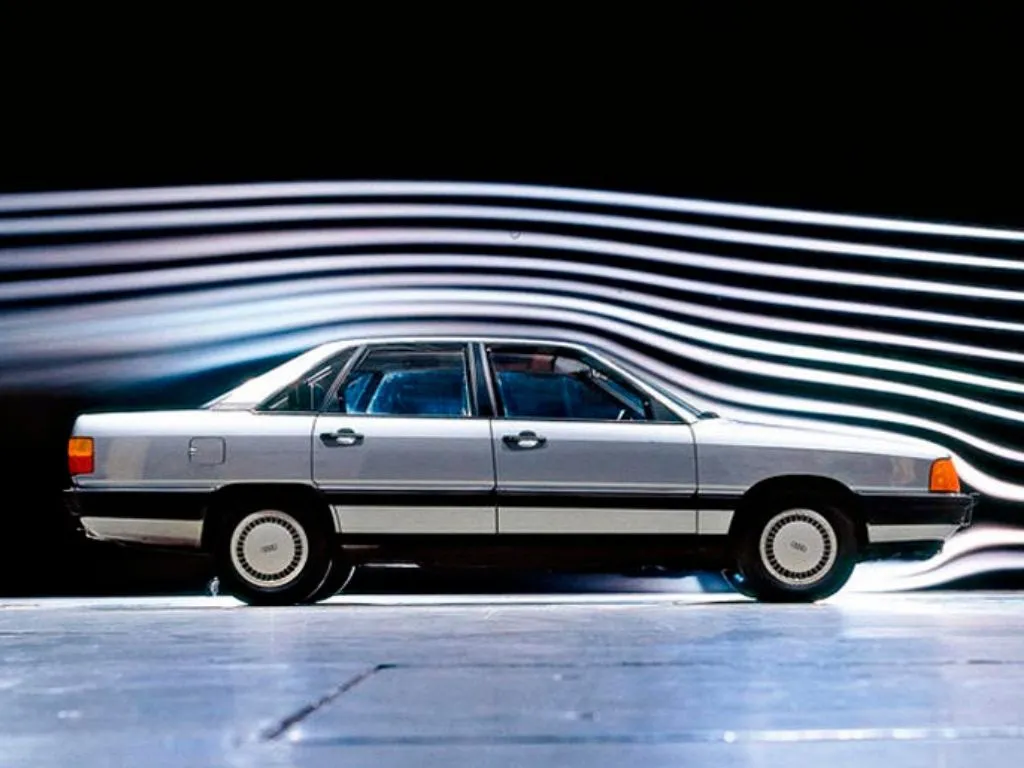
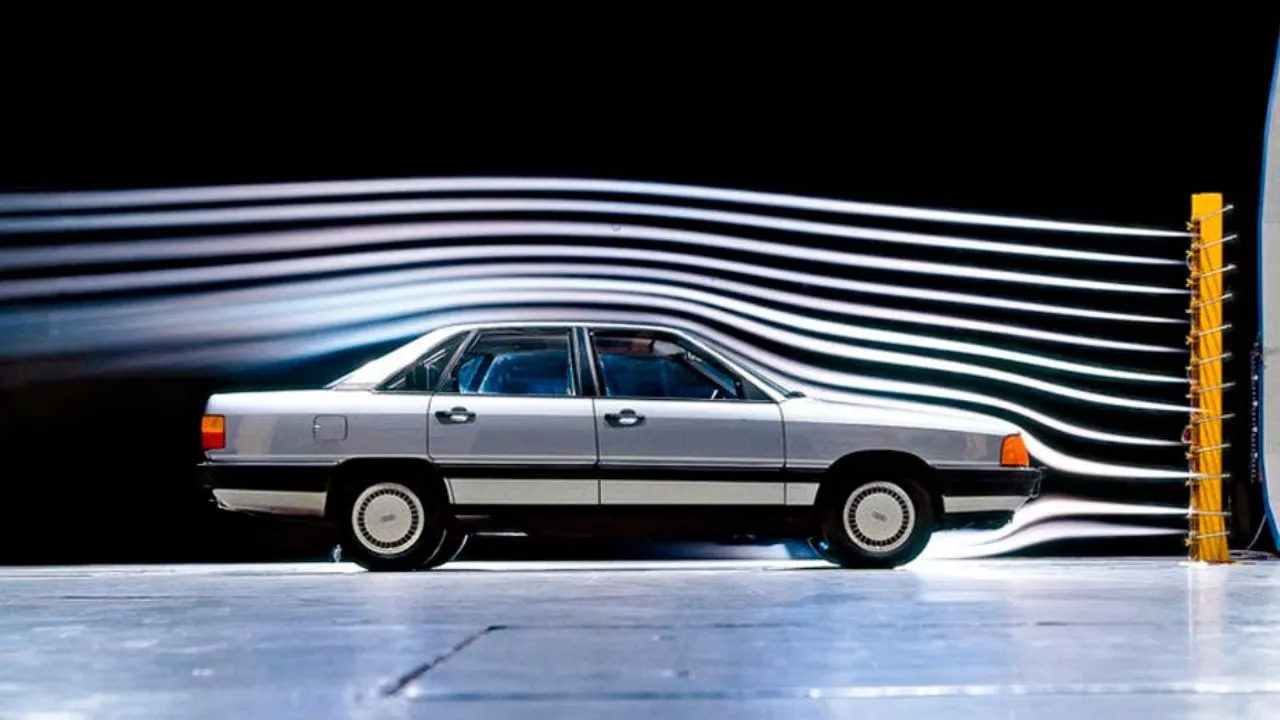
The new concept represents the ultimate culmination of efforts that have been ongoing since the 1960s.
Mission Efficiency, which has set three new records, is a continuation of this legacy. Its earliest beginnings can be traced back to the 1960s. Volkswagen opened its first in-house wind tunnel in Wolfsburg at the end of 1965. This was innovative at the time. In France, automakers only conducted brief tests using wind tunnels such as those at the Eiffel Wind Tunnel in Paris or the Aérotechnique Institute in Saint-Cyr, usually on experimental vehicles like the Etoile Filante.
Also read
Mission Efficiency: Volkswagen sets an extraordinary fuel consumption record with ID.Polo technology
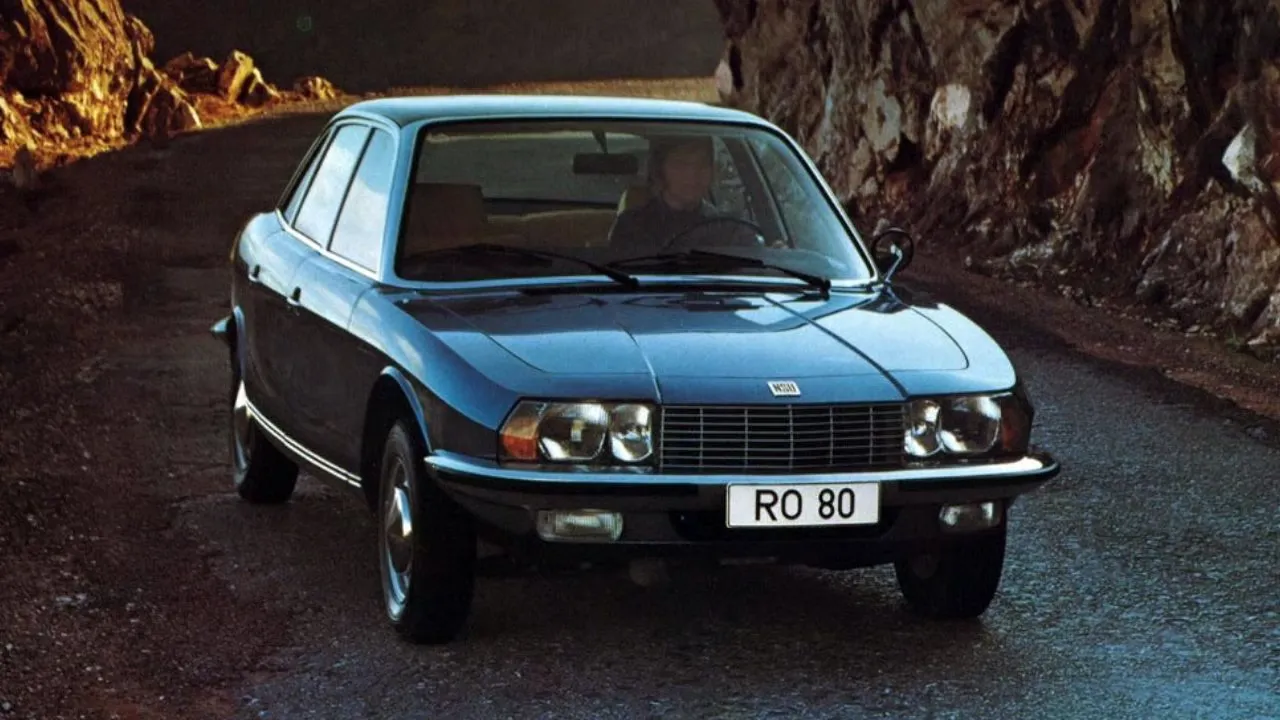
Meanwhile, the sister brand, Audi, acquired its competitor NSU along with its innovative design studio. This studio conceived the radical Ro 80, whose drag coefficient (Cx) of 0.355 amazed everyone at the time.
However, the issue of energy efficiency truly came to the forefront with the two oil crises in 1973 and 1979. The mass-produced version was the Audi 100 known as the “C3.” When it launched in 1982, it was marketed as the most aerodynamic car of its era. This was evident in its sloped A-pillars, concealed air intakes, frameless windows, and solid wheels. Cx: 0.30.
Volkswagen, on its part, refined the concept with diesel engines as a recurring theme. The experimental ARVW (Aerodynamic Research Volkswagen) vehicle featured a height of 84 cm, a width of 110 cm, and a Cx value of 0.15. The engine was a 2.4-liter inline-six.
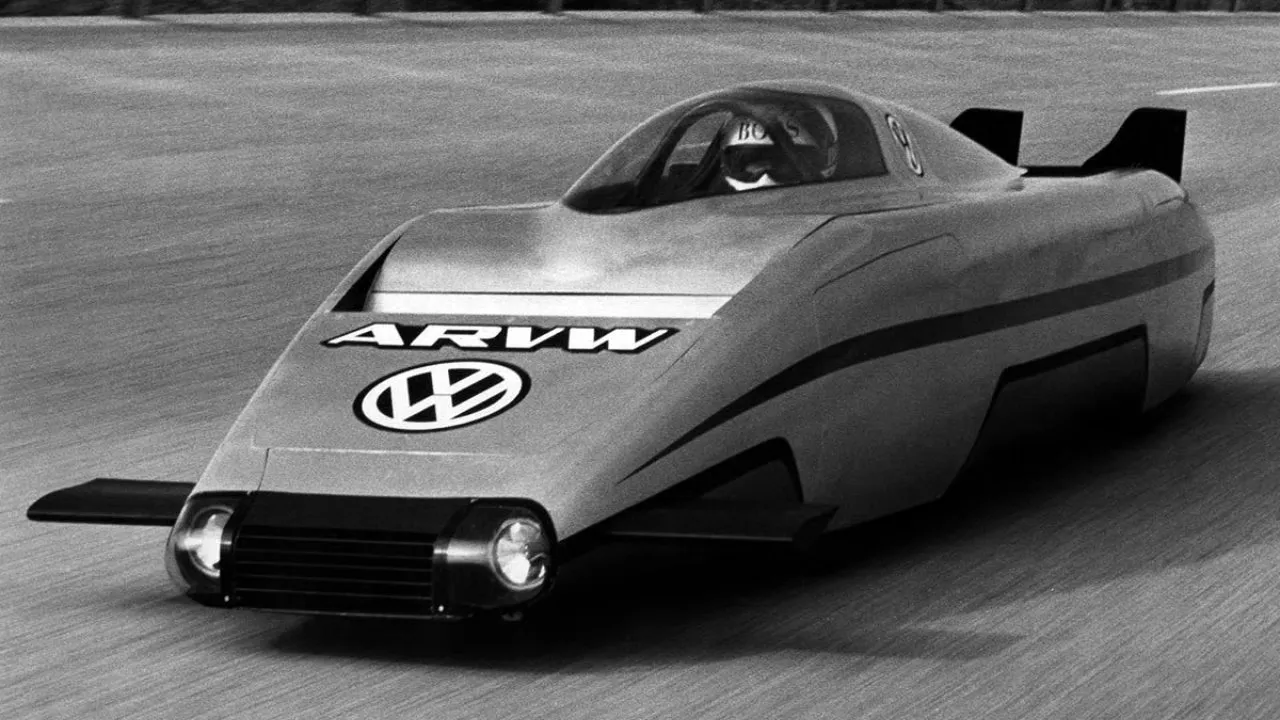
On October 18, 1980, the car was taken to the circular track in Nardò, in southern Italy. At the wheel were two young drivers: the German Helmut Henzler and future Formula 1 world champion Keke Rosberg. The car achieved a speed of 345.2 km/h over a distance of 500 km. This record for diesel engines with turbocharging, in the 2 to 3 liter range (to be precise), has never been broken and remains on the lists of the International Automobile Federation.
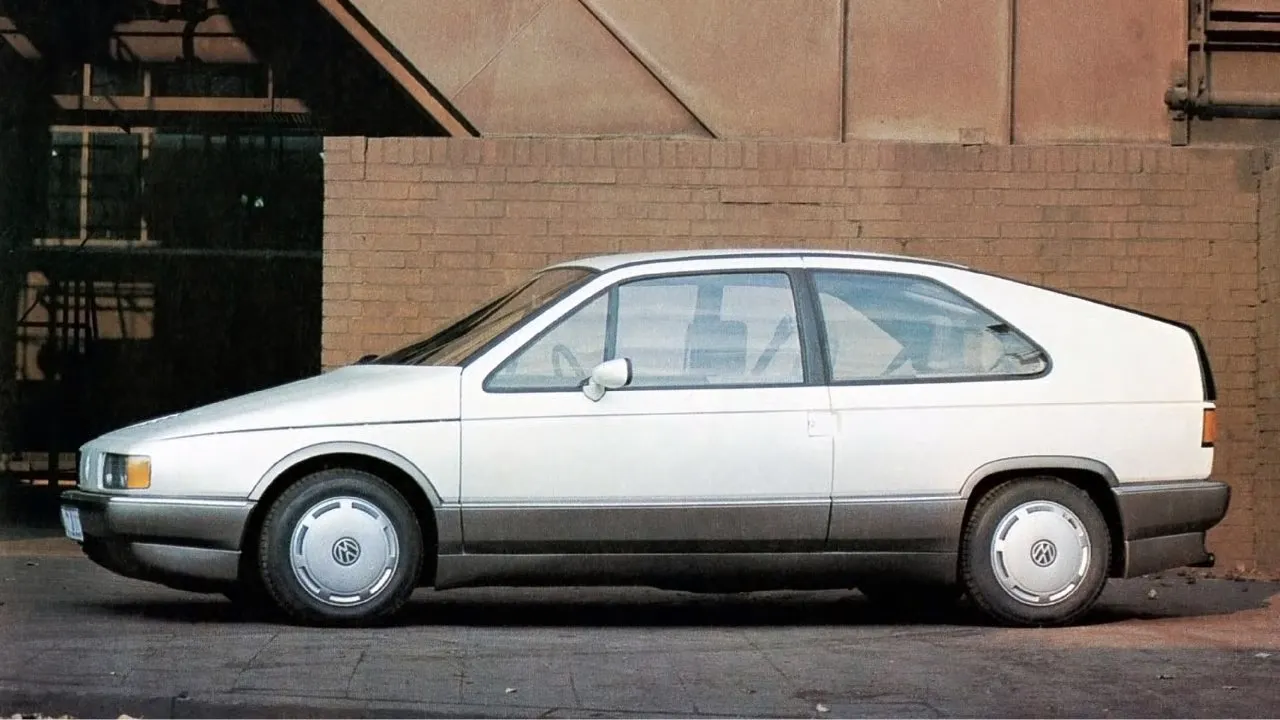
But there were also more realistic options. The first stone was laid at the 1981 Frankfurt Motor Show with the Auto 2000 concept. Built on a Golf 1 chassis, this car with its kammback silhouette was powered by a 53 hp 3-cylinder diesel engine. Its drag coefficient (Cx) of 0.25 was considered exceptional at the time—the Golf II, released in 1983, had a value of 0.34. It gave rise to features such as the unchanging front end of the Passat B3.
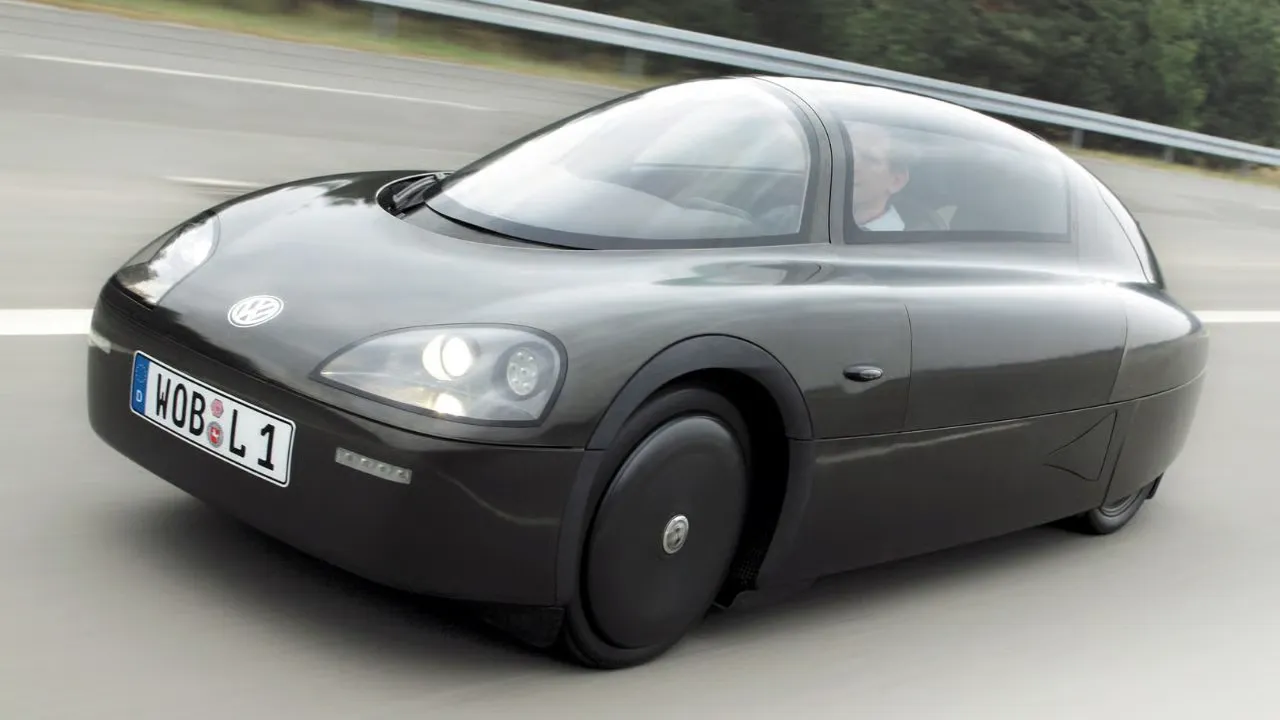
Third step: a car that consumes one liter per 100 kilometers. This was the boss’s obsession, Ferdinand Piëch, whose wrath often made the walls of Wolfsburg shake. In 2002, he introduced a narrow vehicle (Volkswagen 1L Concept) where the two passengers sat side by side. Made of magnesium and carbon, it weighed less than 300 kg. Its Cx value was 0.159. It was powered by a tiny 300 cm3, 8 horsepower diesel monocylinder engine—equivalent to the power of today’s Citroën Ami. Reported fuel consumption: 0.99 liters per 100 kilometers.
The fourth attempt, slightly more realistic: the Volkswagen L1 concept introduced at Frankfurt in September 2009. This time, it moved toward a hybrid design. The 800 cm³ three-cylinder engine was half of a “1600” TDI engine. It was supplemented by a small electric motor producing 13 horsepower. The Cx value was measured at 0.195.
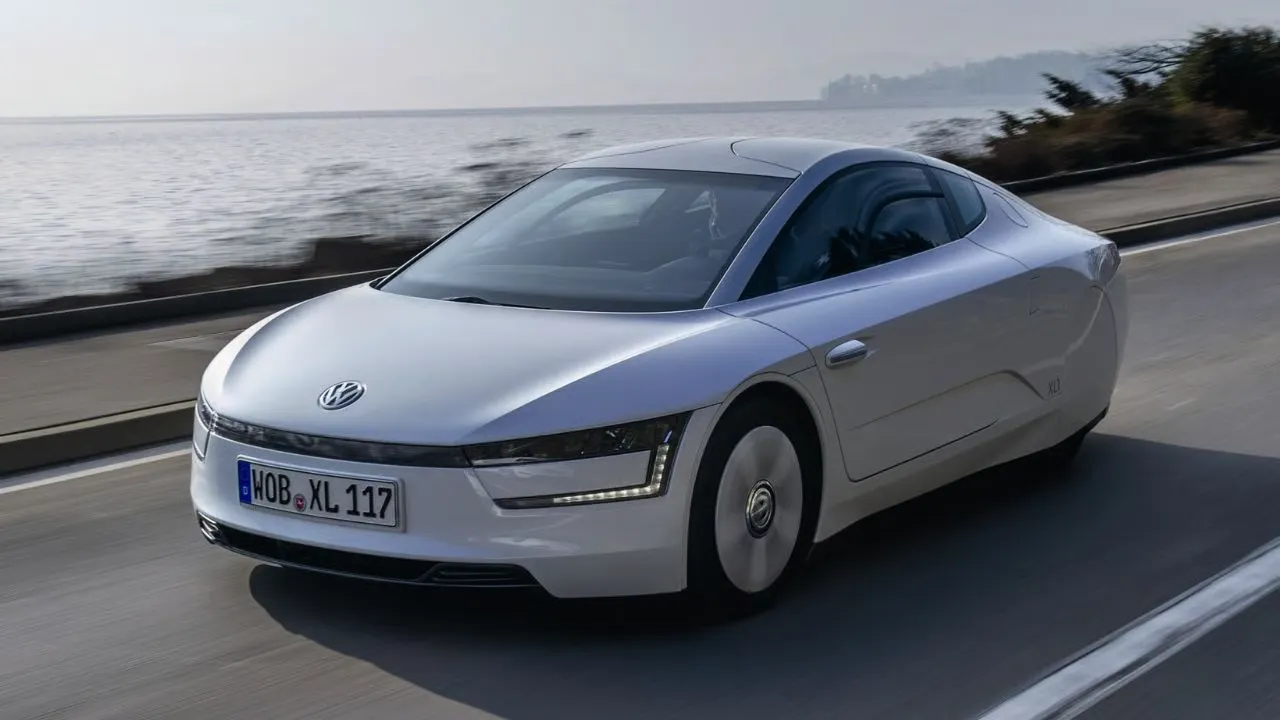
The fifth prototype this time resulted in a (small) series production. Only 250 units of the Volkswagen XL1 were made between 2014 and 2016 at a price exceeding 100,000 euros. But what a car! Its Cx value was 0.189. Passengers once again sat in conventional positions in this coupe that measured 3.88 meters in length and 1.15 meters in height. The rechargeable hybrid powertrain consisted of a 48-horsepower turbocharged diesel engine, an electric motor with 27 horsepower, and a 5.5 kWh battery. According to regulations at the time, the car also met the standard for low diesel consumption per 100 kilometers.
A few months after the release of the XL1, U.S. environmental authorities sent a certified letter. This “notice of violation” triggered Dieselgate. The scandal changed Volkswagen’s fate and altered the course of the automotive industry. Perhaps toward greater efficiency.