
Dataforce analysis: New power dynamics in the electric vehicle market
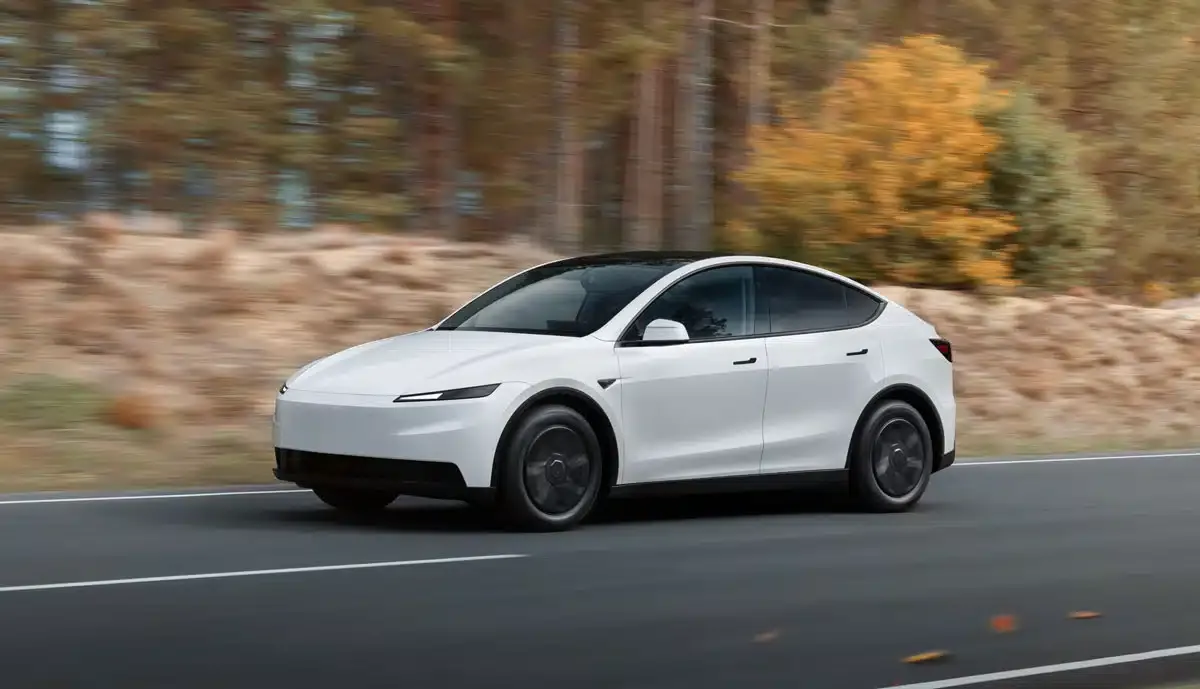
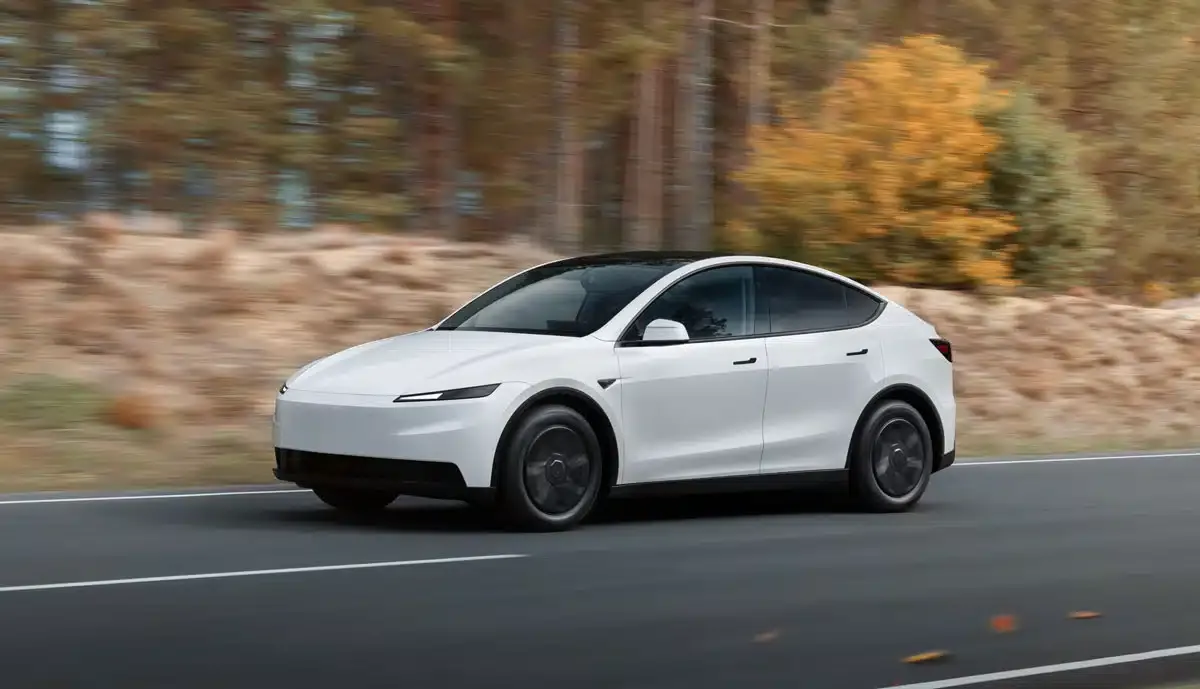
Image: Tesla
According to Dataforce analysts, the electric vehicle market is evolving differently in 2026 among private consumers and corporate fleets. While market shares are shifting in the private consumer segment, corporate fleets remain focused on procurement and organization. At the same time, the importance of certain purchasing criteria is changing: the cost-performance ratio is gaining significance over range, while charging infrastructure is increasingly becoming a key factor.
Tesla returns to the top of new vehicle registrations after a weak year, while VW and Cupra lose half of their market share in the electric vehicle segment. Meanwhile, Chinese manufacturers are gaining importance, reaching a market share of nearly 10% by 2026. BYD is the most well-known Chinese brand in this field, while Leapmotor records the highest numbers in registrations. According to further analysis by Dataforce, the price-performance ratio now surpasses range as the most important purchasing factor for the first time.
In corporate fleets, battery-only vehicles (BEVs) will become the most common type of vehicle in new registrations by 2026. Nevertheless, more than one in five fleet managers surveyed by Dataforce criticizes the complexity involved in procurement and management. At the same time, over 80 percent acknowledge cost advantages in ongoing operation. Chinese manufacturers face greater challenges in this segment compared to the consumer market, as they are not viable options for many companies without a widespread service network.
Charging infrastructure is gaining importance in both the private market and among fleets, while range is becoming less of a barrier. For 77 percent of private customers surveyed by Dataforce, having a charging option at home is a prerequisite for purchasing an electric vehicle. Around 70 percent of private charging needs are met there, while in businesses, about 60 percent of charging volume occurs at the workplace. Thus, charging infrastructure is increasingly determining the pace and direction of electrification.
Did you spot any errors? Please let us know
by email
about them. Thank you!
Also interesting
About the author
Thomas Langenbucher is an expert in electromobility with professional experience in the automotive industry and finance sector. Since 2011, he has been covering electric vehicles, sustainable technologies, and mobility solutions for ecomento.de. Learn more.
Reader interactions