
IRON emerges from the XPeng factory on foot: not an EV but a humanoid robot
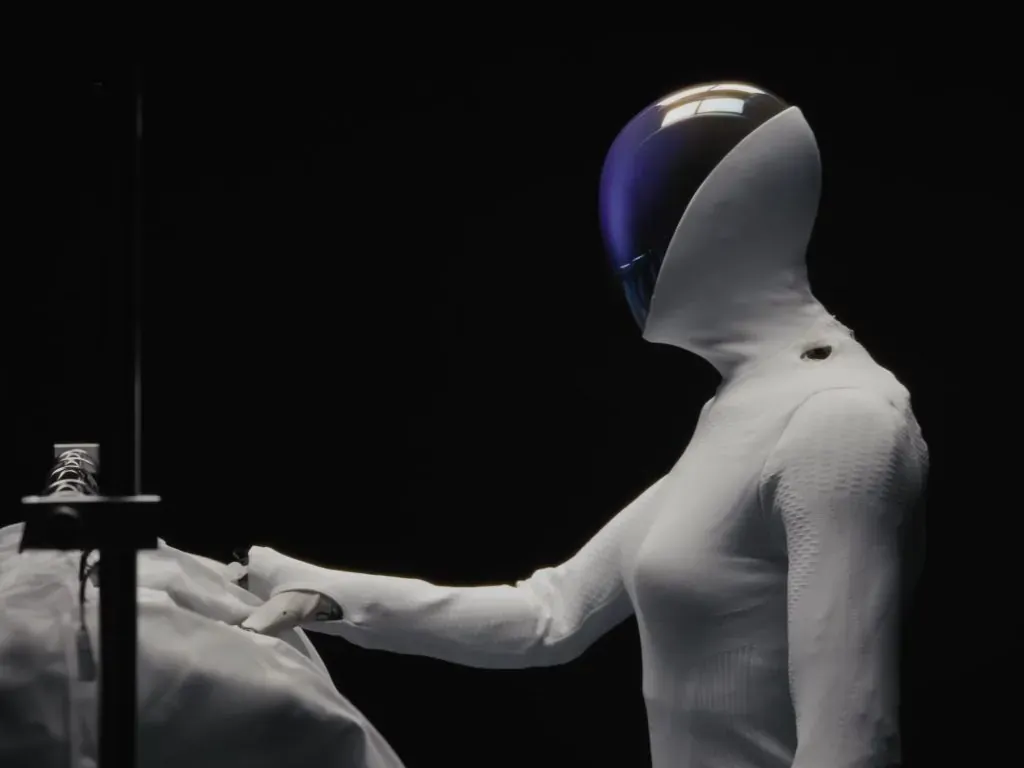
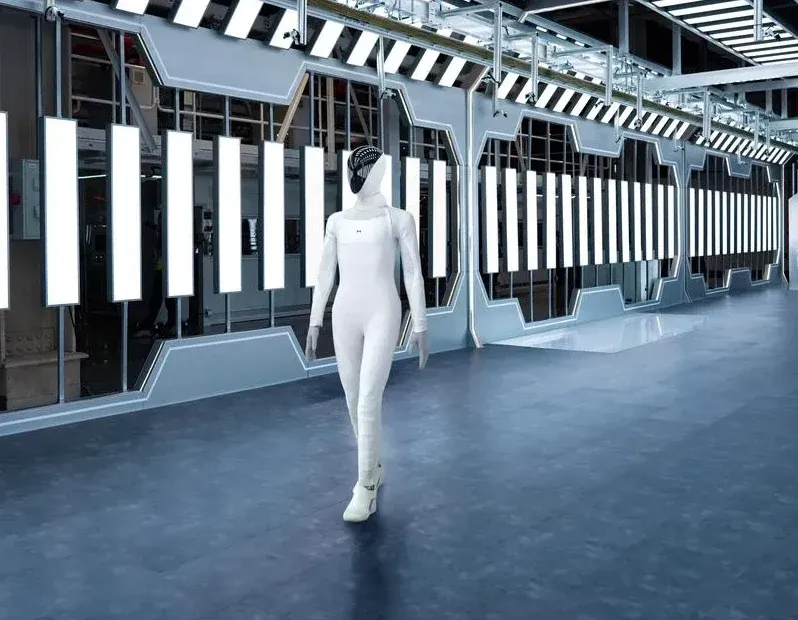
XPeng has begun automated production of advanced humanoid robots. The first IRON unit rolled off the assembly line in Guangzhou, walking on its own. Mass production is set to begin by the end of the year, with the first robots in this series initially destined for XPeng’s own facilities.
The Chinese company claims it has developed a production line using automotive standards, applying some of the quality systems and development processes used in its electric vehicle manufacturing to the robotics sector.
From prototype to Guangzhou factory
IRON caught attention as early as November 2025 when XPeng introduced it during its AI Day. The fluidity of its movements led to speculation on social media about the presence of a person inside the robot, prompting the company’s engineers to publicly display some components of its arm to prove it was entirely robotic.
Now the project is moving from the prototype stage to industrial production.
76 degrees of freedom and three Turing chips
Techinally, XPeng assigns IRON a total of 76 degrees of freedom, with 21 for each hand. The robot also features a fully covered flexible lattice structure, which the company designed as a protective element as well.
The computing platform includes three Turing AI chips developed in-house by XPeng, with a claimed capacity of up to 2,250 TOPS. The goal is to run the company’s Physical AI model directly on the robot, eliminating the need for a human operator connected via teleoperation.
These are interesting specifications, but the real test will come from daily use. For a humanoid designed for real-world environments, computational power and degrees of freedom must translate into reliable movements, operational autonomy, and the ability to perform useful and repetitive tasks.
XPeng aims for over 1,000 robots per month
XPeng’s robotics division recently raised over $900 million, achieving a valuation of $6.3 billion. The funding round included investors such as IDG Capital, Tencent, and Alibaba.
The company aims to produce more than 1,000 robots per month and, in the long term, reach one million units annually by 2030. The first concrete goal is closer at hand: mass production is scheduled to begin by the end of this year.
The first IRON robots are expected to be used in XPeng’s facilities and stores before being made available for broader commercial use. Sales and deliveries in China and international markets are targeted for 2027.
From words to action?
For XPeng, the challenge now will be to prove that IRON can deliver on its technological promises even outside the controlled environment of the factory and carry out practical tasks within company facilities. Only then can the sustainability of production on a much larger scale be assessed.
The Chinese company starts with ambitious goals, substantial funding, and a design approach based on automotive standards. But the real measure of success won’t be the number of robots leaving the factory—it will be how much useful work they can actually accomplish and at what cost.
READ ALSO: “My First 20,000 km in the Xpeng G6: I Entered the Future” and watch the VIDEO
Previous Article
Illegal e-bikes on the run? London police respond with Sur-Ron
Next Article
In Japan, 81 million for electric ships, low-emission vehicles, and port charging stations