
Daimler Truck, Volvo, and their partners aim to promote hydrogen trucks in Europe
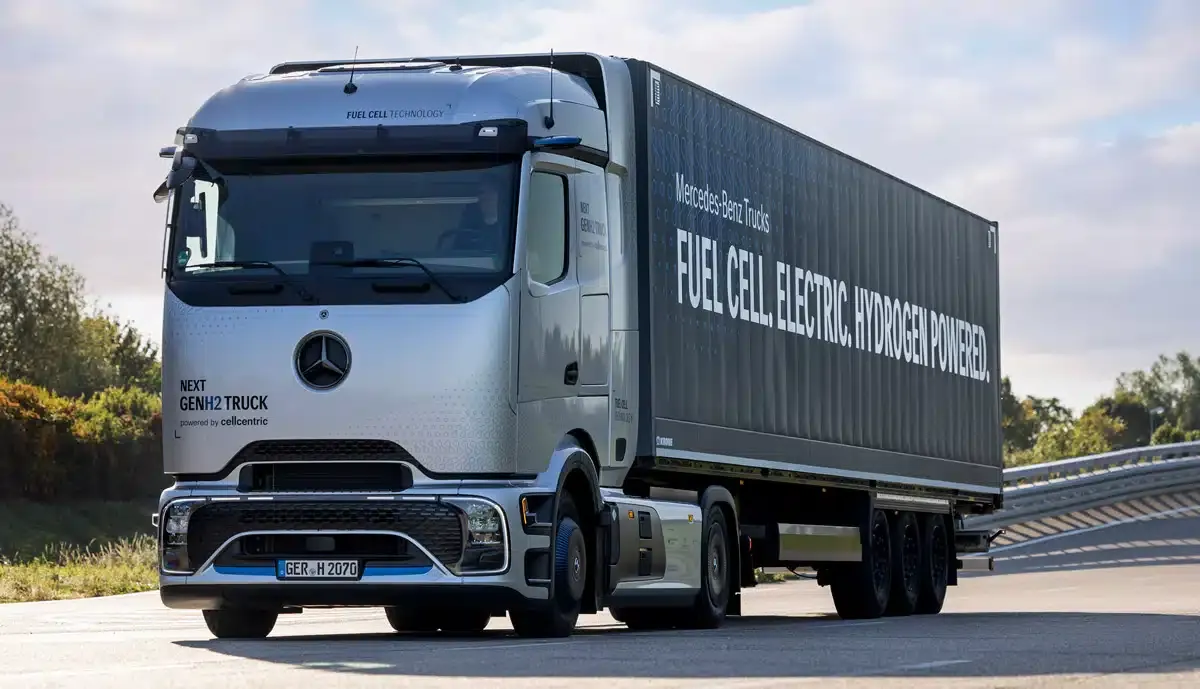
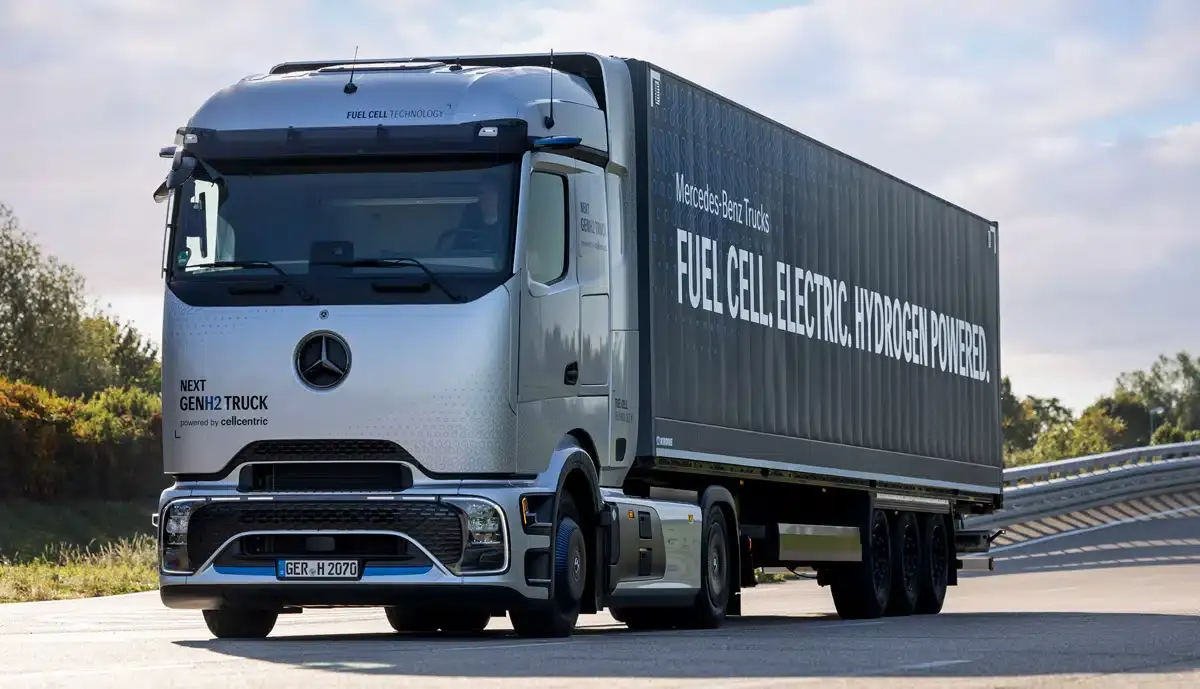
Image: Daimler Truck
Daimler Truck, Volvo Group, Toyota, Bosch, Air Liquide, TotalEnergies, Teal Mobility, and MB Energy have unveiled plans to accelerate the deployment of hydrogen-powered vehicles in Europe. The German ecosystem aims to create the conditions for scalable use of hydrogen trucks by 2030, supported by political backing and companies along the value chain. To achieve scaling in Europe, the participating companies call for coordinated support from national governments and the European Commission.
Daimler Truck reports that customers using fuel cell trucks have already covered nearly 600,000 kilometers, and plans to deploy a small batch of 100 next-generation vehicles with customers by the end of 2026. The company is also preparing the first trucks equipped with hydrogen internal combustion engines for market launch next year, aiming to invest a several hundred million euro amount in hydrogen trucks by the end of the decade. Volvo is also investing in fuel cell trucks and hydrogen internal combustion engine vehicles for a 2030 market launch, while Toyota serves as a technology partner and Bosch provides key vehicle components and fueling technologies.
In the area of energy and infrastructure, Daimler Truck and Volvo are collaborating with Air Liquide, TotalEnergies, MB Energy, and Teal Mobility. These companies aim to scale up supply chains for liquid and gaseous hydrogen and are investing in fueling stations capable of serving up to 100 trucks per day. They leverage synergies from the growing industrial production of renewable hydrogen, supported by the implementation of Europe’s RED-III regulation.
Three levers for competitiveness
Three levers are cited for achieving competitive costs compared to diesel: lower vehicle costs through subsidies and mass production, competitive hydrogen prices thanks to more efficient supply chains and greenhouse gas quotas, as well as toll incentives for CO2-free vehicles for fleet operators. “The market is evolving increasingly to meet these requirements,” explains Daimler Truck. “For example, Germany’s NOW subsidy program was significantly oversubscribed. Industry companies applied for more than 70 high-performance charging stations and 800 heavy commercial vehicles, confirming the strong commercial demand from the logistics sector.”
While Germany is expected to set the stage for operational implementation and demonstrate how industrial action and targeted public support can accelerate market development, companies are calling for strategic measures from national governments and the European Commission to establish this model across Europe.
These measures include expanding infrastructure through coordinated support programs for gas stations and vehicles to achieve the goals of the “Alternative Fuels Infrastructure Regulation (AFIR),” enhancing hydrogen’s economic viability through “pragmatic and harmonized” credit mechanisms for renewable fuels as well as toll incentives, and jointly minimizing risks throughout the entire value chain—from production and liquefaction to distribution and vehicle operation.
In conclusion, it states: “This combination of industrial implementation capacity and a strong political framework creates the foundation for scaling up carbon-free goods transportation. At the same time, it enhances the competitiveness of European industry, energy security, and employment while reducing emissions in goods transport.”
Also interesting
About the author
Thomas Langenbucher is an expert in electromobility with professional experience in the automotive industry and finance sector. Since 2011, he has been covering electric vehicles, sustainable technologies, and mobility solutions on ecomento.de. Learn more.
Reader interactions