
Dacia Tribrid, an innovative drive system with an electric engine, internal combustion engine, and LPG. In Polish: a gas-powered hybrid
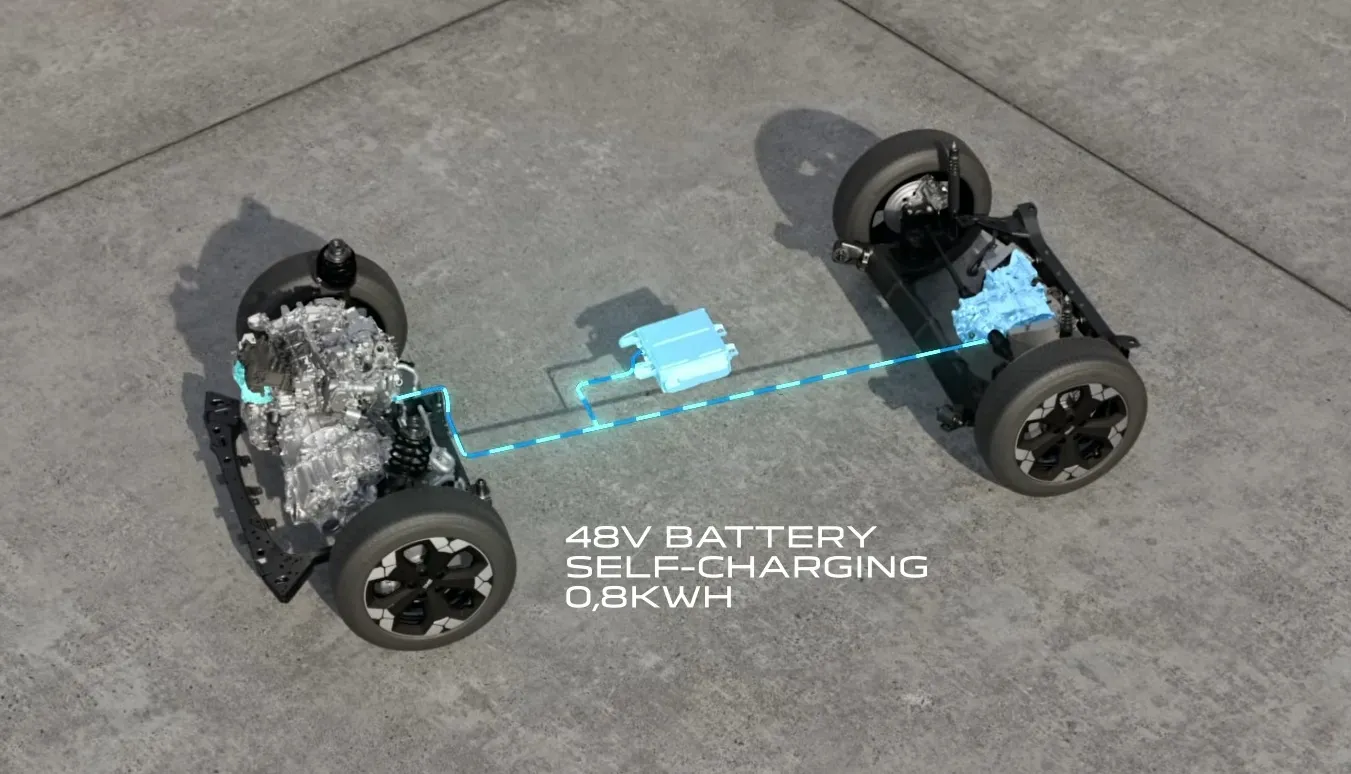
Dacia announced the introduction of an “innovation in the form of a new technology,” namely the Dacia Tribrid 150 4×4 drive system. It combines a pseudohybrid (mHEV) with a hybrid (HEV) setup, featuring a tiny electric motor on the rear axle powered by a small battery (0.84 kWh). The main driving force remains, of course, the internal combustion engine, which is also equipped with a LPG system. Thus, “Tribrid” is essentially a marketing name for what was previously referred to as Hybrid-G.
Dacia seeks ways to keep costs low and efficient
Electric cars run cheaply on electricity from wall outlets, but they are generally more expensive than their gasoline counterparts. Dacia briefly expressed a desire for extensive electrification, yet currently the priority remains keeping car prices as low as possible while maintaining acceptable operating costs. This is especially true given rising fuel purchase costs and [for now] relatively stable LPG prices. As a result, they introduced the Hybrid-G — actually hybrid-g — model with a factory-installed gas system and a small battery. In other words: old hybrids.

Now this lineup has been renamed. To emphasize the presence of three powertrains (gasoline, LPG, electric) and their interaction, the company coined the term Tribrid. While in the “regular” hybrid /Hybrid 155/ the battery has a capacity of 1.4 kWh and the engine delivers up to 35 kW/48 HP, the Tribrid (formerly: Hybrid 150 4×4) is the result of various compromises. A 50-liter LPG tank takes up considerable space at the back, so only a small engine with 10 kW/13 HP can fit beneath it. Most surprisingly, it is equipped with an integrated two-speed transmission, which is completely different from the six-speed gearbox located at the front and connected to the combustion engine. The transmission operates automatically and even allows the rear axle to be disengaged:

For some reason, Dacia lists not 13 HP, 23 kW/31 HP at peak power on certain pages. The aforementioned 10 kilowatts is barely enough to get moving and move at a slow pace, while 23 kW should easily handle urban speeds. We can therefore consider it either a Czech error (13 vs 31) or continuous power versus peak power. From the perspective of Elektrowozu’s editorial team, what’s most interesting is that once again, better fuel efficiency in the powertrain is achieved by adding another electric motor and battery [starter/alternator in mHEV + 48 V drive motor on the rear axle].

Article rating
Reader Ratings
[Total: 0 votes Average: 0]
Don’t miss new content — CLICK and FOLLOW Elektrowoz.pl on Google News. You might also be interested in the following ads: