
Dacia Spring vs Citroën e-C3: two affordable electric cars, but with a key difference
The urban electric car market still has price as one of its main battlegrounds. For many buyers, especially those looking for a second car for city driving, a large battery or outstanding performance isn’t necessary—what’s needed is a practical, straightforward model with low operating costs.
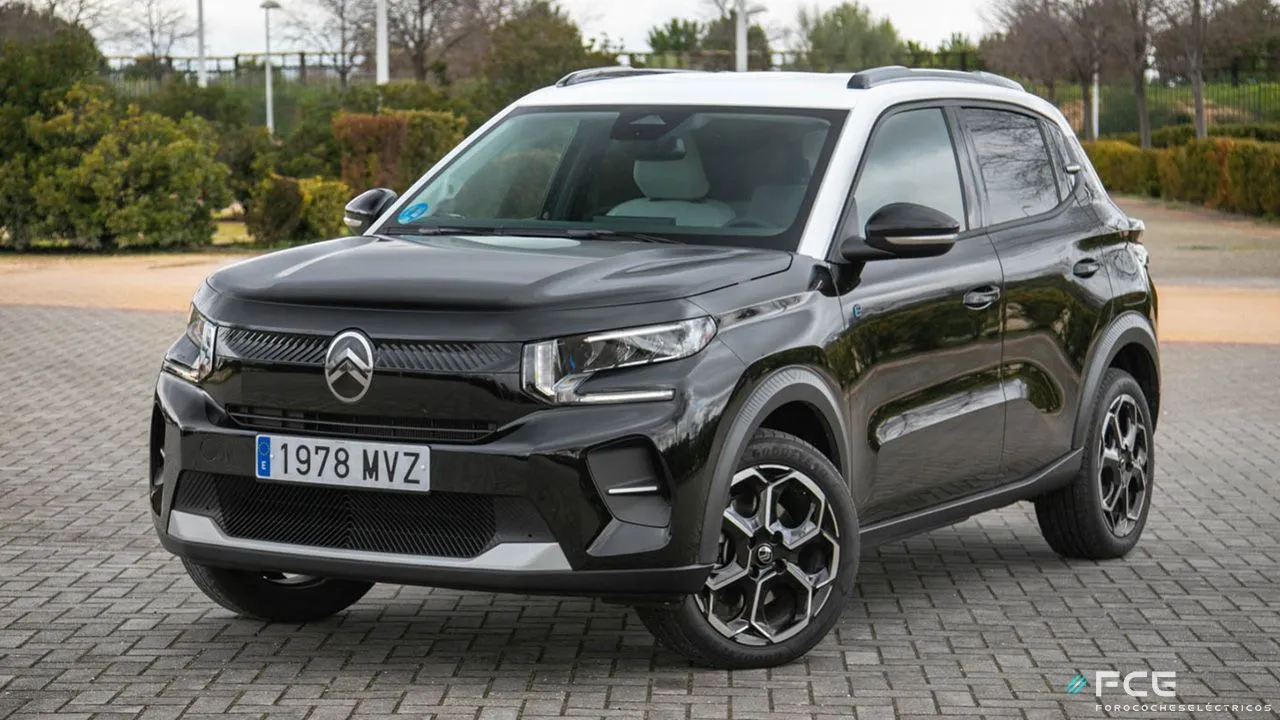
In this context, the Citroën e-C3 and the new Dacia Spring are in a particularly interesting position. Both aim to offer a relatively affordable electric alternative, though they do so with quite different approaches. Citroën focuses on giving a more conventional car-like feel, while Dacia strives to maintain the simple and functional philosophy that made the original Spring one of the most affordable electric cars on the market.
The new Spring also represents a significant change compared to its predecessor. Dacia started from a completely different base, using the latest generation of the Renault Twingo as a starting point, although the final result bears little visual resemblance to the model it is derived from. In contrast, the e-C3 has been on the market for some time and was actually the first to introduce Citroën’s new design language.
The result is a comparison between two urban cars that may seem similar in concept, but which hide important differences when examining what they offer.
More space and comfort in the Citroën, more practicality in the Dacia
The new Dacia Spring is considerably more modern and robust than the previous generation. Its shapes are straighter and more defined, with an appearance that aligns with Dacia’s current identity. The front and rear lighting clusters are visually connected by black elements, giving it a distinct personality that is very different from the look of the small Renault Twingo.
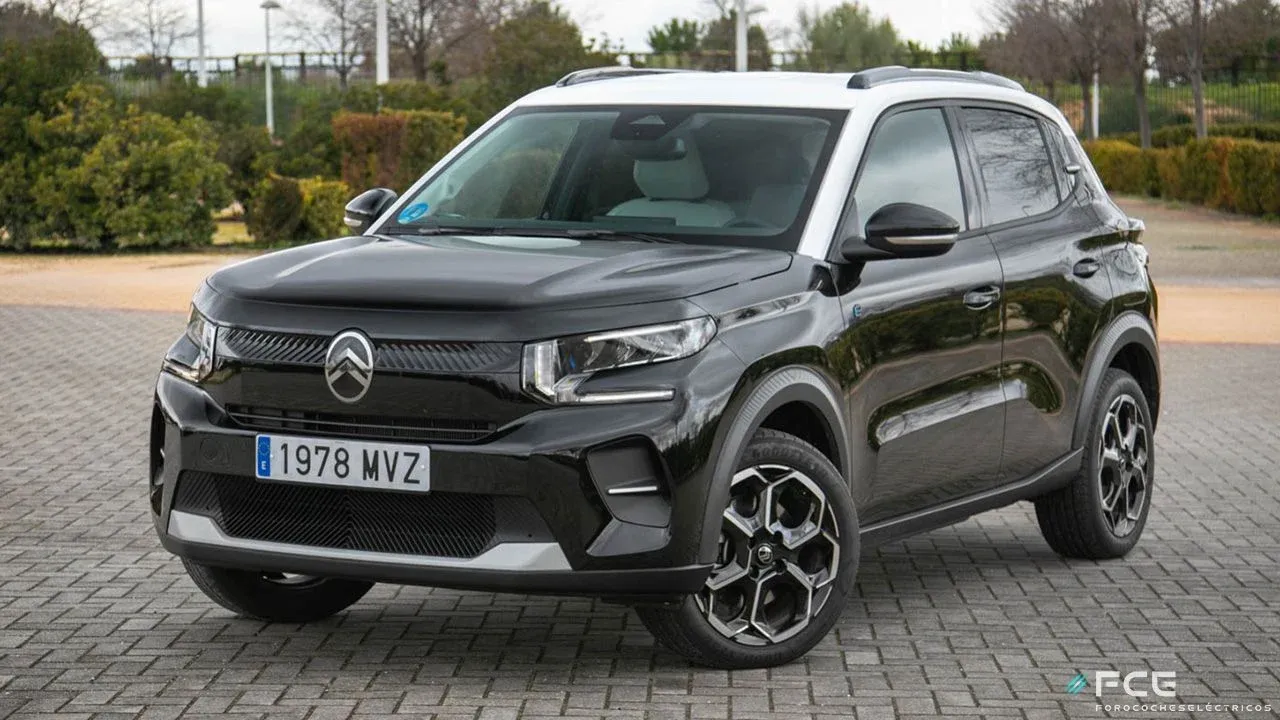
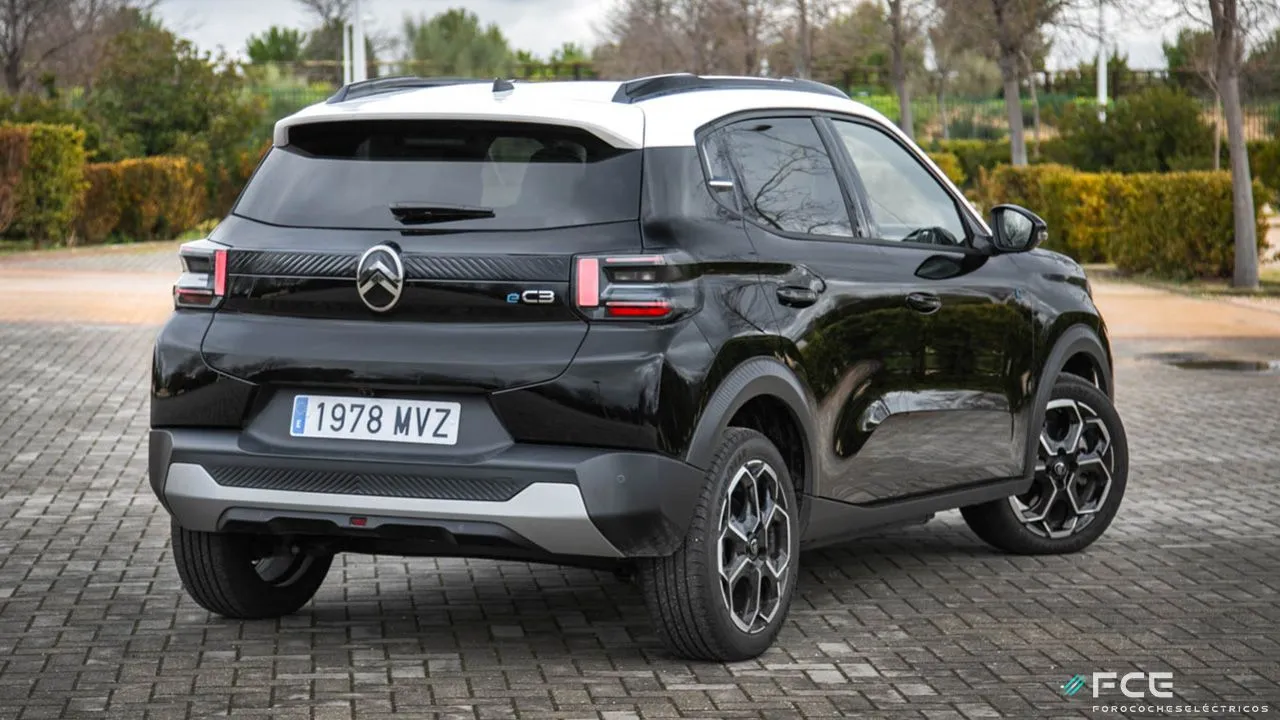
The Citroën e-C3 follows a different philosophy. It was the first model to feature the brand’s current design language, with its characteristic hook-shaped front lighting clusters and the new chevron logo design. Additionally, its proportions and greater height make it appear visually larger than it actually is.
The dimensions reinforce that impression. The Spring is 3.85 meters long, while the e-C3 exceeds four meters. The difference doesn’t seem huge on paper, but it becomes noticeable especially when accessing the rear seats.
The Dacia has lost one of the most interesting features from its predecessor, the Twingo: the sliding rear seats. This somewhat limits the flexibility in arranging space for legs and luggage. Rear passengers can still travel comfortably, but the Citroën offers a greater sense of space, with more vertical headroom and more comfortable seats.
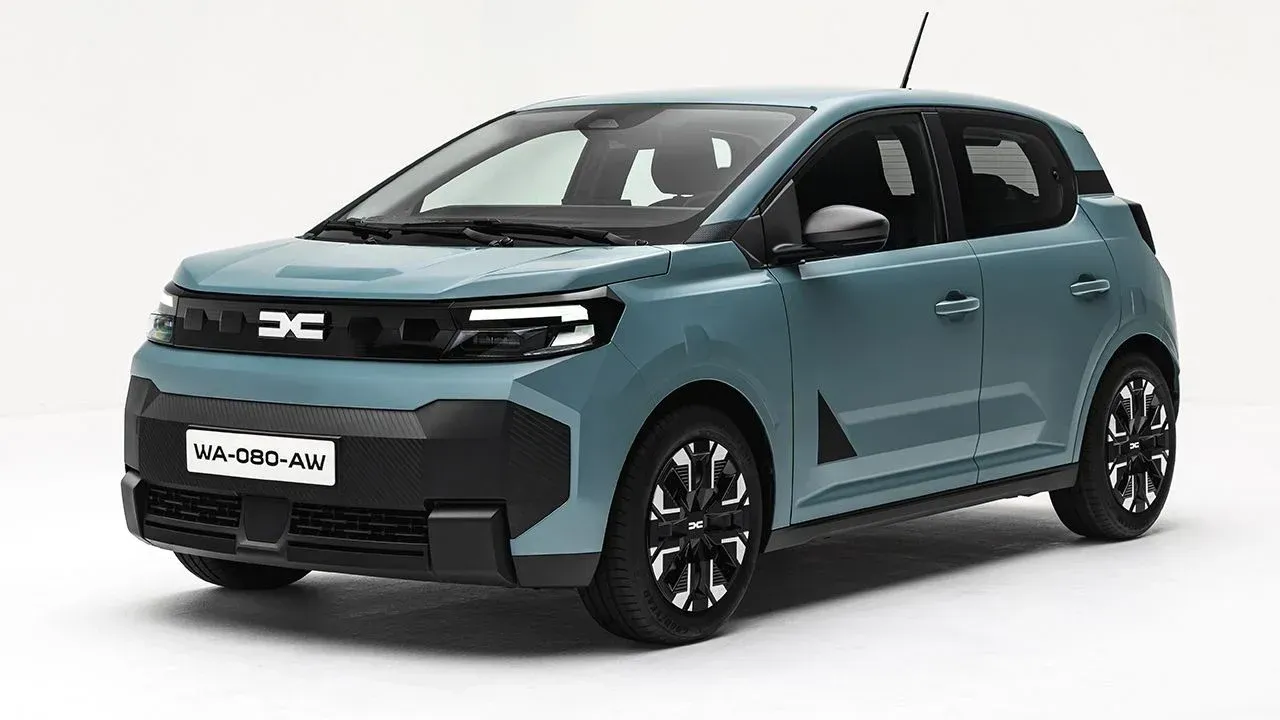
There are also differences in the doors themselves. The e-C3 features conventional rear windows, while the Spring retains partially open rear windows. These are small details that don’t appear in a technical specification sheet, but they end up making a difference when using the car daily.
However, the Dacia gains an advantage when it comes to loading luggage. Its trunk offers 337 liters, compared to 310 liters in the Citroën e-C3. There’s also a particularly interesting feature: the Spring includes a small front compartment of 18 liters, which is a very practical solution for storing charging cables and preventing them from taking up space in the main trunk.
The interior once again reflects the different priorities of the two models. The Spring features a horizontal, simple, and functional dashboard with numerous spaces for small items. A 7-inch digital instrument cluster is standard, while higher trims come equipped with a 10-inch multimedia screen.
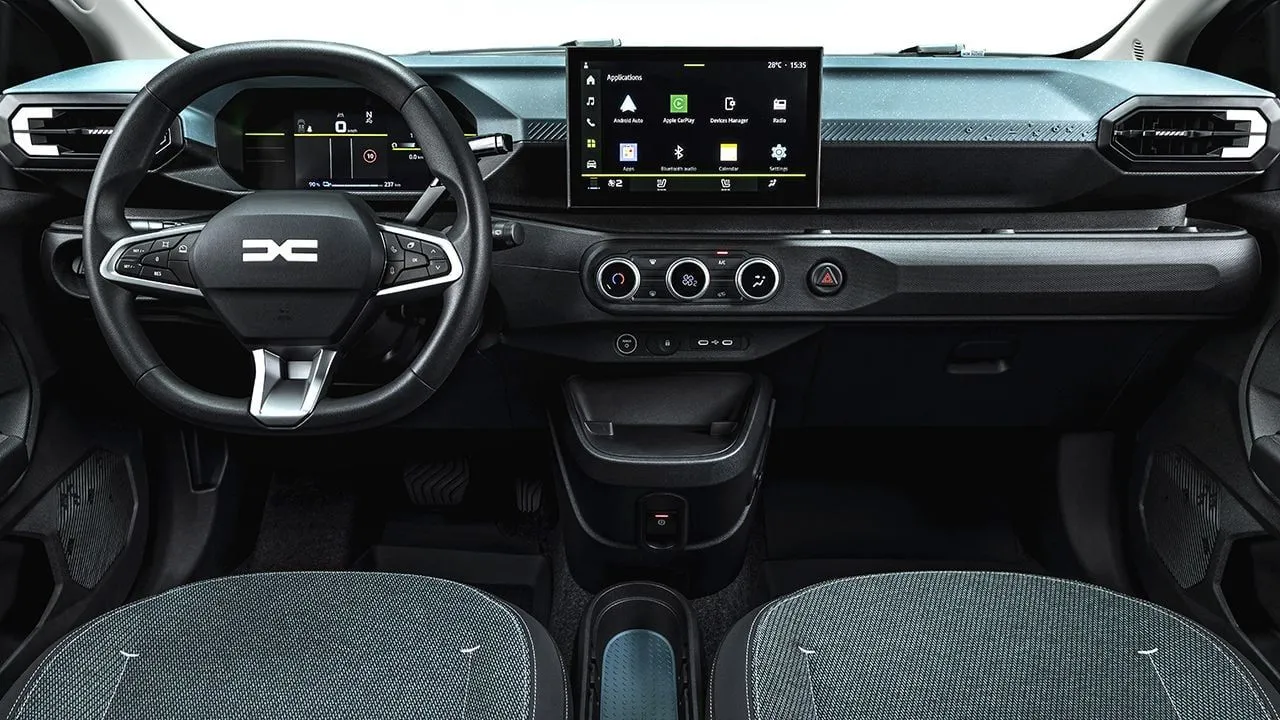
Dacia has made significant improvements to its design compared to the previous Spring model, though the materials still reflect its cost-saving approach. The plastics are hard and particularly basic in some areas, such as the door panels.
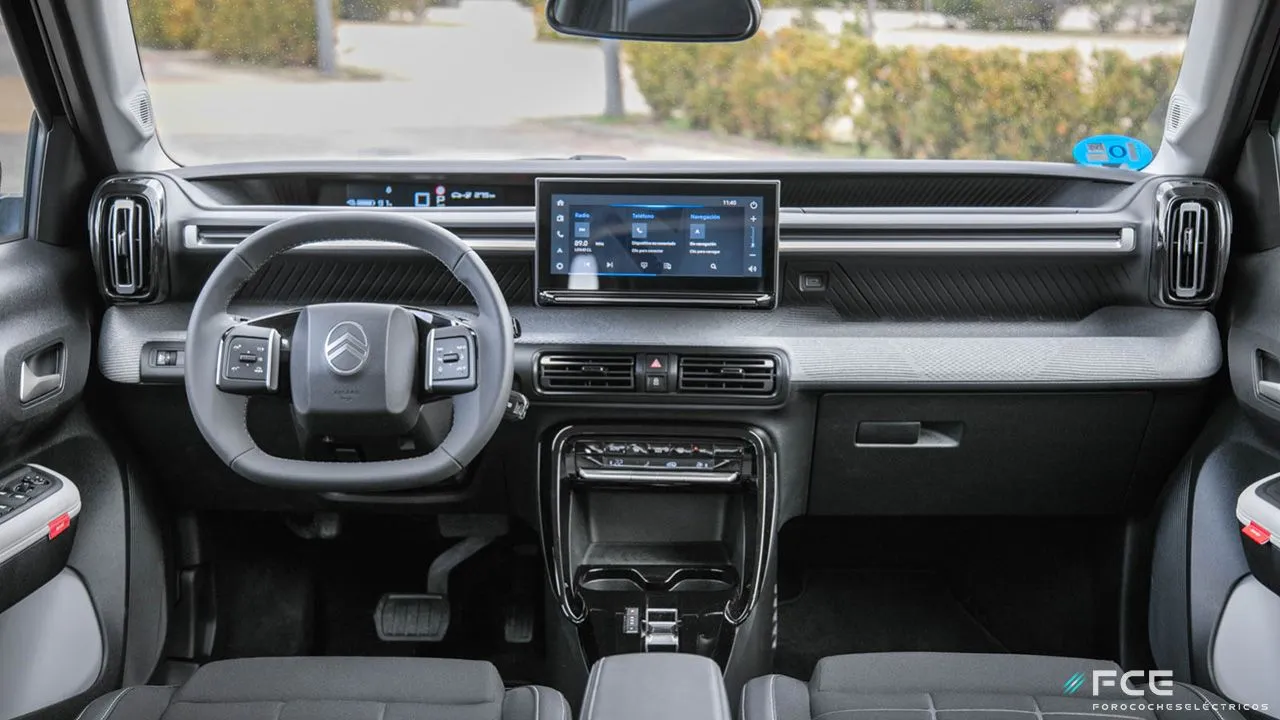
The e-C3 features a more refined design. The small steering wheel and elevated dashboard are two of its most distinctive elements, allowing drivers to easily view information regardless of their height. In the basic version, however, a multimedia screen is not included; instead, there is a holder for a mobile phone.
In contrast, Citroën has paid more attention to enhancing the perception of quality. The upper part of the dashboard still uses hard plastics, but the central area features a textile covering that adds a more pleasant feel to the overall design.
It is in terms of mechanics that some of the most significant differences appear. The Dacia Spring is available only with electric power, equipped with an 80 HP engine and a 27.5 kWh battery that enables it to achieve a range of 250 kilometers.
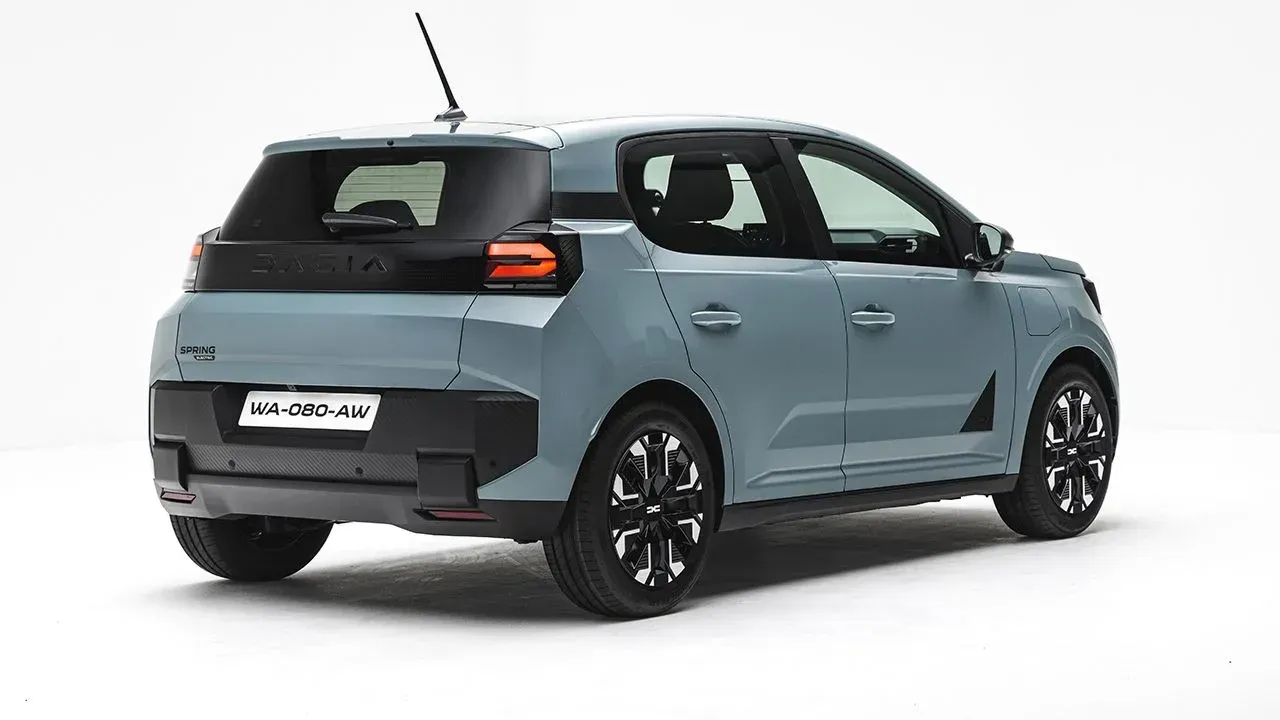
The Citroën e-C3 offers a wider range of options. In its electric version, it can be equipped with an 113 HP engine and two different batteries. The 30 kWh battery allows for a range of 213 kilometers, while the 44 kWh battery increases this figure to 324 kilometers.
Neither vehicle stands out particularly in terms of fast charging capabilities. The Spring has a charging power of 6.6 kW, whereas the e-C3 can optionally feature fast charging at 30 or 50 kW, with an additional cost of 500 euros depending on the configuration.
This is an important point because both models are primarily designed for urban commuting and relatively short trips. For such use, slightly lower battery performance may be sufficient, especially if the owner has a charger at home and starts each day with a fully charged battery.
And that brings us to one of the key factors regarding these two cars: price.
The current Dacia Spring starts at 20,580 euros, while the Citroën e-C3 begins at 17,350 euros. The difference is around 3,200 euros, which is significant for a buyer looking to get into an electric car with the lowest possible cost.
For that extra cost, the Citroën offers a more pleasant interior, greater comfort for passengers, a more versatile range of engines, and the option to choose between two battery options. The Spring, on the other hand, sticks to a simpler philosophy and stands out especially for its cargo space, compact size, and even lower entry price.
Therefore, we can say that in a segment where price is everything, the Citroën e-C3 clearly outperforms the Dacia, which needs to review its price urgently if it doesn’t want to fall out of relevance.
Details
Dacia Spring
Citroën e-C3
Length
3.85 m
4.01 m
Trunk Space
337 liters + 18 liters in front
310 liters
Engine
82 HP (60 kW)
113 HP (83 kW)
Battery
27.5 kWh
30 kWh / 44 kWh
WLTP Range
250 km
213 km / 324 km
Rapid charging
Optional, 50 kW
Optional, 30 or 50 kW
AC charging
6.6 kW
7.4 kW
Price before subsidies or promotions
20,580 euros
17,350 euros
