
Dacia Spring 2: Price, range... everything you need to know about the new generation and our first impressions inside
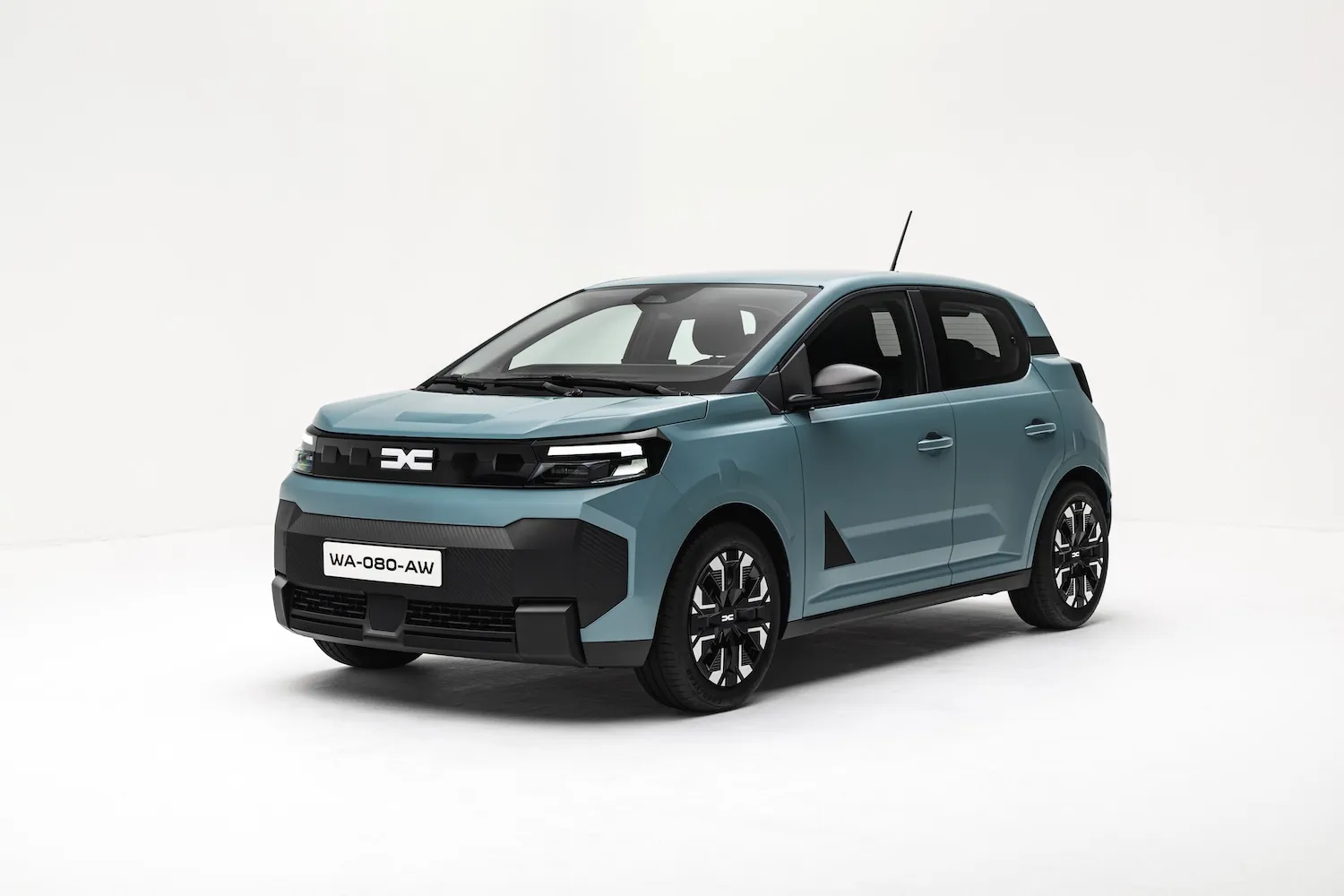
Dacia has unveiled the second generation of the Spring, its compact electric city car. Although it is based on the Renault Twingo, it features its own unique design and is even more affordable. There’s good news too: it will once again benefit from enhanced purchase incentives! We got an early look at this new Spring, and here are our initial impressions from driving it.
Dacia is accelerating its entry into the electric vehicle market. The Romanian brand has announced the launch of four new models by 2030. This is the first of them… and it also represents an update to the manufacturer’s first electric vehicle, the Spring.
Launched in 2021, it achieved considerable success, selling over 200,000 units, thanks in part to its low prices. Back then, not so long ago, an electric car priced at 16,990 euros before any discounts was incredible. A Renault Zoé cost over 30,000 euros.
Dacia seized a great opportunity. Renault had originally designed an affordable electric city car for China, based on the low-cost Kwid model developed in India. The project was rebranded as Dacia for export to Europe.
With this new model, everything changes except the name. Yet there is one common factor: it also stems from an opportunity with Renault. The Spring 2 is closely derived from the Twingo, which allowed for rapid development! The project was approved only in early 2025. Dacia developed the car in just 16 months.
Exterior design
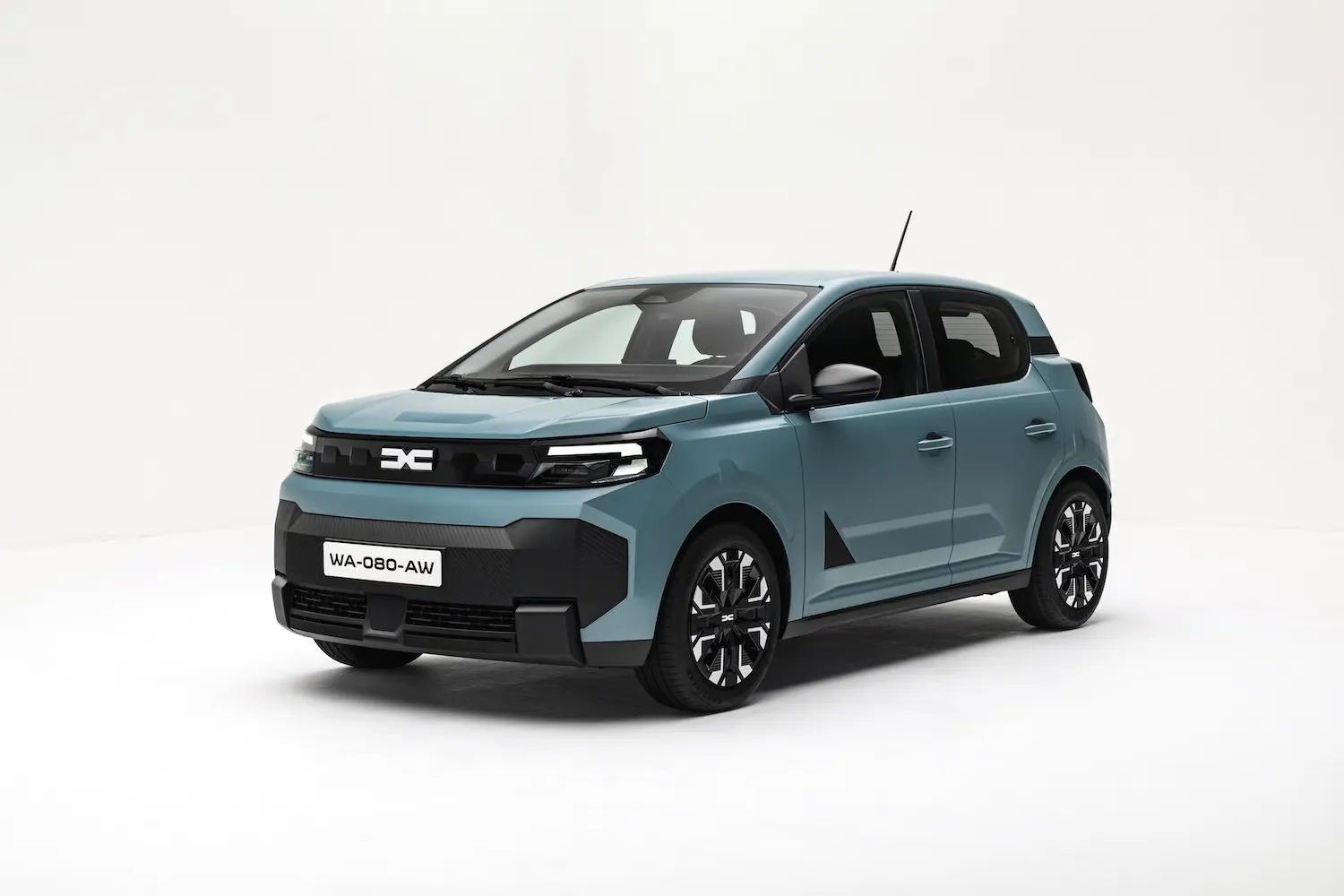
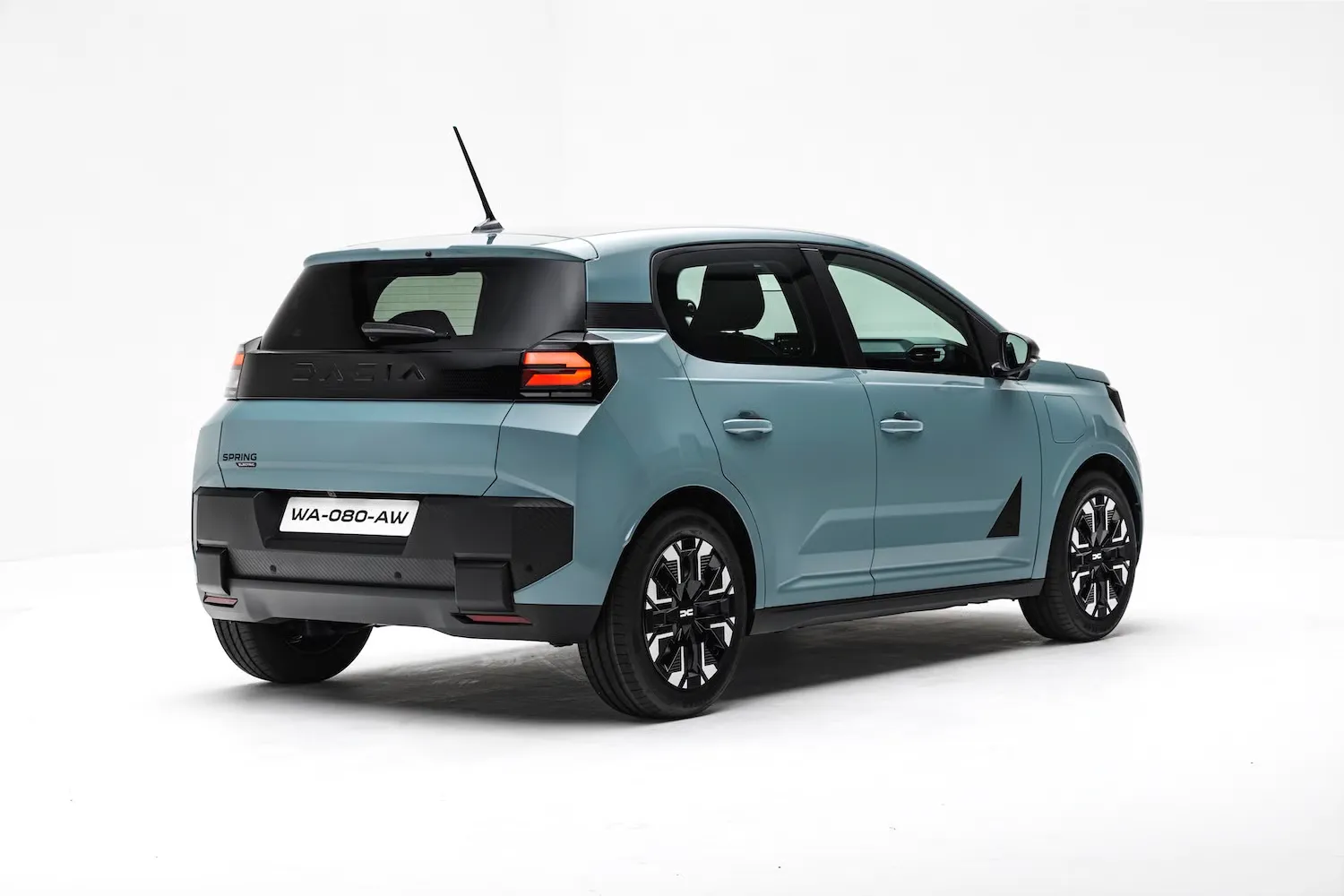
The task was actually simple, as it mainly involved reviewing the exterior design. While the structure and glass elements are similar to those of the Twingo, everything else has changed, making it impossible to confuse the two vehicles. This isn’t just a minor facelift like those commonly seen with small city cars offered under the same group. The Spring has its own look and personality, which can be summarized in these words: sharp angles and a serious vibe. It’s quite the contrast to the rounded and fun design of the Twingo!
A strategy adopted by Dacia, driven by group logic! If Renault needed a project like the Spring to make use of the Twingo’s technical platform, especially since the partnership idea with Volkswagen fell through, there was no way it could have a car that competed too closely with the Twingo. As a result, the Spring comes out as quite modest, targeting customers who want a cheap and efficient small electric car.
Although the Spring remains a compact vehicle, its updated technical platform gives it new dimensions. With its length increasing by 15 centimeters to 3.85 meters, and width growing by 18 centimeters to 1.74 meters, it gains a more robust appearance, further enhanced by its angular shapes and clearly defined shoulders.
The silhouette also differs from the Twingo with a nearly flat hood that covers the headlight/calender assembly. It’s worth noting that the new “T” shaped lighting signature seen on the Striker station wagon is not present here; instead, the Spring features a design that resembles the brand’s logo.
Influenced somewhat by the SUV world, this Spring features large plastic protections on the bumpers, which is advantageous for navigating urban jungles. Similar protection is missing on the doors, where there is only decorative trim. Other decorative inserts visually separate the roof from the rest of the vehicle, but a two-tone design is not an option, as it would require a costly manufacturing process. Additionally, the choice of body colors is limited to four shades: Agave Blue as shown in the photo, Schiste Gray, Starred Black, and Glacier White. For wheels, options range from 15 to 16 inches with “flexwheel” rims (the Twingo offers 16 or 18 inches).
Another example of Dacia’s budget-friendly design
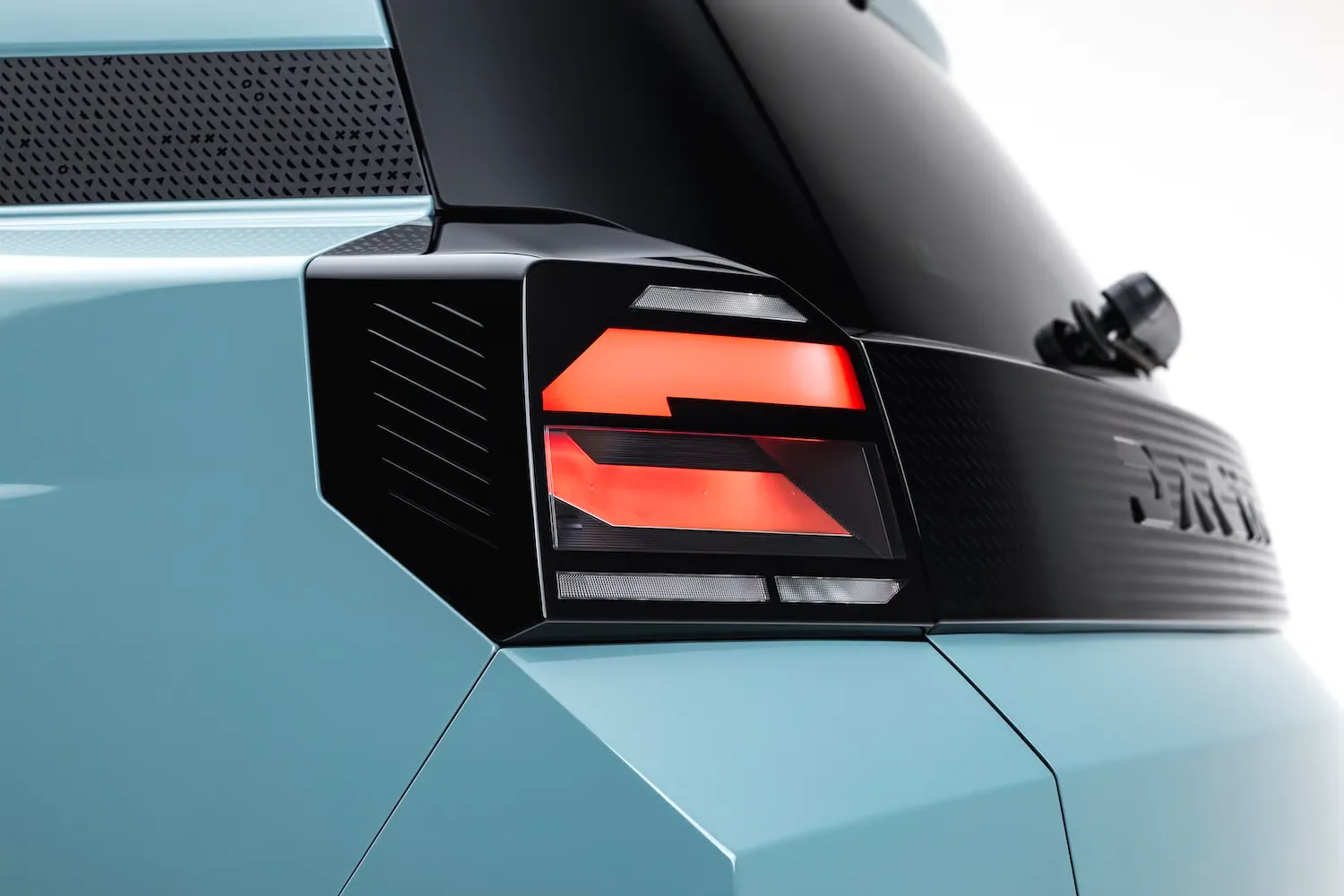
At Dacia, they aim for beauty at a low cost, as we saw with Dacia’s design chief during the launch of the Striker station wagon. Another example is the distinctive lighting on the Spring. Only the upper part is illuminated, while the lower section is tilted at 45° to reflect the light, creating a mirror effect. This trick is used both at the front and back, helping to reduce costs while adding a stylish touch and a sense of depth.
Inside
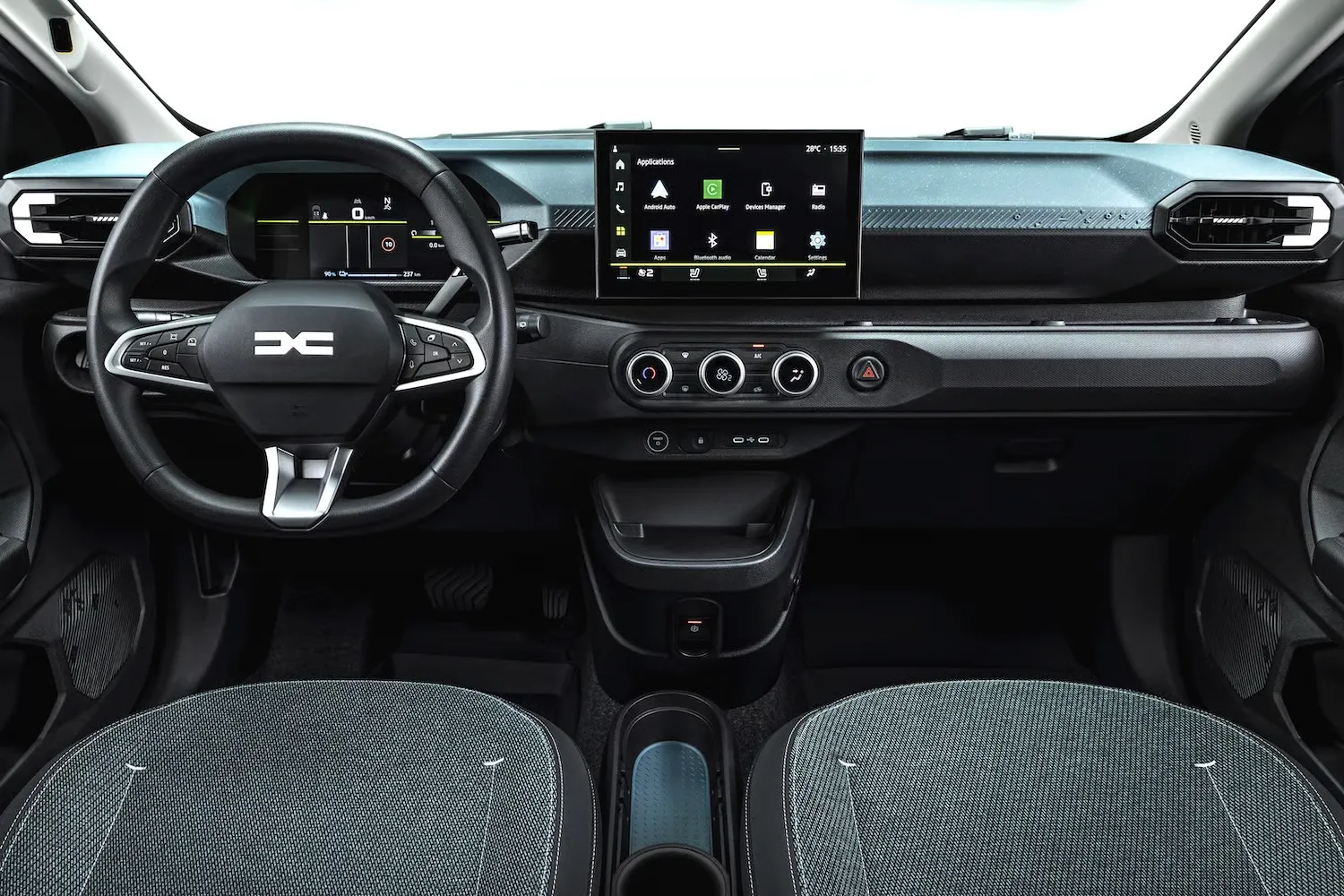
Inside, there’s a shift in design philosophy. The similarity to the Twingo is evident! It’s quite simple—the Dacia designers merely revised the upper part of the dashboard, with little change to the lower section. The upper area offers a slightly better view. It features a bluish color scheme. The design of the air vents has also been updated, with decorations that echo the Dacia logo as well.
Starting with the Twingo, we find the same instrumentation featuring a 7-inch screen and a 10.1-inch touchscreen, while Dacia’s models offer simpler graphics. The larger screen is standard on the higher-end version. On the base model, there’s the Media Control system: you attach your smartphone to the dashboard and can control functions via the buttons on the steering wheel using the dedicated Dacia app. A new feature allows using this function with the phone in portrait mode, which is better suited for navigation apps. Although air conditioning is standard, it remains manual (no automatic climate control available as an option).
For storage, there’s the groove seen on the Twingo, which allows for placing a few small items. The new Dacia Spring adopts the “YouClip” mounting system to provide several handy accessories onboard. There are three in total: one on the passenger-side console and two in the trunk. For example, there’s a holder for coiling a smartphone cable and a glasses case. There’s also an optional central armrest with enclosed storage.
On board, the main difference from the Twingo lies in its modularity. Simpler and more affordable, the Spring eliminates independent sliding rear seats in favor of a standard fixed two-seater bench. The legroom is adequate—as long as the front passengers are not too tall. But this is still a car with a 3.85-meter length, so one must deal with a short seat and a high floor. Everything is straightforward in the back, from the lack of storage in the doors to the windows that open at a 90-degree angle, just like in the Twingo.
At the trunk level, the capacity is 337 liters. The removable floor consists of two separate parts that allow the trunk to be divided, so that certain items can be secured or hidden if needed. Another useful feature is a frunk, an front trunk area under the hood, where you can store things like an extra charging cable (an optional add-on costing 150 €).
The engine and battery
When it comes to technical specifications, as you might expect, this is a Twingo! It features an engine with 60 kW (82 hp) of power and 175 Nm of torque, an engine that was developed in China. The battery is a LFP type with a useful capacity of 27.5 kWh.
The WLTP combined range is 250 km, slightly less than that of the Twingo, mainly due to the raised hood. But it’s 25 kilometers more than the latest version of the Spring 1, which used a 24.3 kWh LFP battery toward the end of its production life. This is more than sufficient for typical use of these small cars. According to Dacia, first-generation Spring owners average 34 km per day!
Charging
This may explain the choice of a modest charging option in series. One must settle for a built-in 6.6 kW AC charger. With a standard reinforced plug, it takes 5 hours and 40 minutes to charge from 15% to 80%.
For those who want versatility, an optional package provides an 11 kW AC charger and a 50 kW DC charger. This allows charging from 15% to 80% in 28 minutes. This package also gives access to V2L reverse charging (adapter available as an option).
The Spring focuses on simplicity, choosing to forgo more advanced technologies. There’s no heat pump, no One Pedal mode (but a B mode), and the battery is cooled by air.
Built on the Twingo platform, the vehicle improves in terms of driving performance and interior noise levels. It also features Continental (15 inches) or Goodyear (16 inches) tires instead of the Chinese tires from the previous model.
Technical specs
Length
3.85 meters
Width (excluding mirrors)
1.74 meters
Engine
60 kW / 82 hp
Battery
LFP 27.5 kWh (usable capacity)
WLTP combined range
250 km
WLTP combined energy consumption
12.7 kWh/100 km
Charging
AC 6.6 kW
Time to charge from 15% to 80% via AC
9 hours on a standard outlet, 5h40 on a reinforced outlet, 2h55 on a 7 kW wallbox
Charging available as an option
11 kW AC bidirectional + 50 kW DC
Charging time from 15% to 80% with the option
1h55 with a 11/22 kW three-phase wallbox, 28 minutes on DC.
Already available
Revealed on September 8th, the new Spring is already available for ordering in France. The base price is 17,900 €—1,000 € more than the old Spring... but the new model will be more affordable thanks to a subsidy. In fact, production has shifted from China to Europe (in Slovenia), allowing the car to meet eco-score requirements and qualify for enhanced incentives ranging from 3,620 € to 6,180 € within the Renault group. Thus, the Spring starts at 14,280 € with the minimum subsidy... and at 11,720 € with the maximum subsidy! Additionally, air conditioning is standard. The old Spring with similar equipment cost 18,900 €!
Models, Features, Prices
Expression
Journey
82 hp – LFP battery 27.5 kWh
17,900 €
19,400 €
Equipment: electric front windows and mirrors, manual air conditioning, automatic headlight activation, rear parking radar, electric handbrake, Media Control system with a USB-C port, 50/50 foldable rear seat, split trunk floor, driver’s seat that slides and adjusts in height with backrest recline.
Journey package: additional equipment + hands-free access, rear camera, 10.1-inch touchscreen, navigation system, trunk organizer.
The package for 11 kW two-way charging and 50 kW fast charging costs 500 €. It is available only on the Journey trim level.