
Dacia pays the price for its electric delay: sales fall as electric cars boost Renault
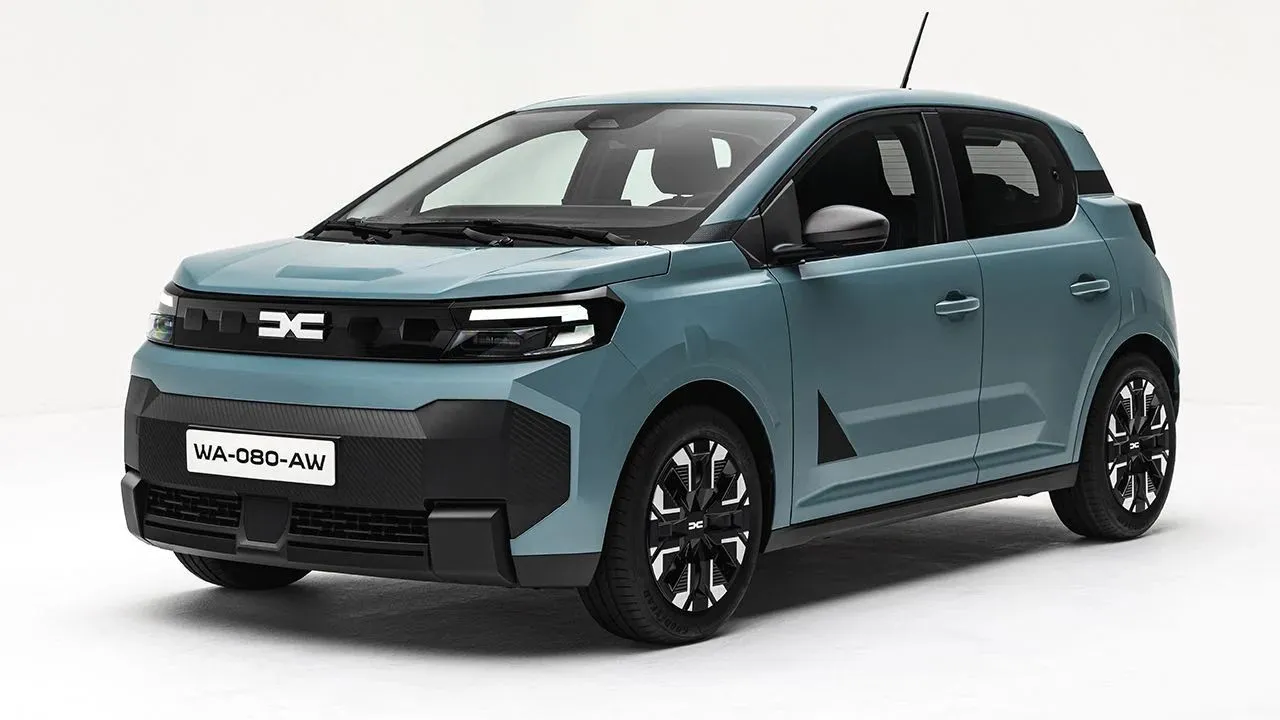
Dacia’s sales dropped by 12.8% in the third quarter of 2026, worsening a decline of 9.7% from January to September. The contrast within the group itself is significant: during that quarter, Renault Group’s electric car sales increased by 84.7%. While part of the market is growing strongly, Dacia has few products to compete in this space.
The high baseline from the previous year and the transition between models account for part of the decline. However, reducing it to a temporary setback would be too simplistic. The brand enters this phase of growing demand for electric vehicles with a lineup focused on just one urban model, the Spring. This offering excludes those looking for a compact car, family vehicle, or affordable electric SUV.
The problem, therefore, is not merely selling few electric cars. It’s the lack of a competitive and sufficiently wide range of electric models. A buyer can find in Dacia combustion engine, CNG, and hybrid alternatives for very different needs. But if they want to switch to electric vehicles, the options narrow down to just one car. And if that car doesn’t fit their needs, they’ll have to look at another brand.
A Twingo sibling that needs a more convincing advantage
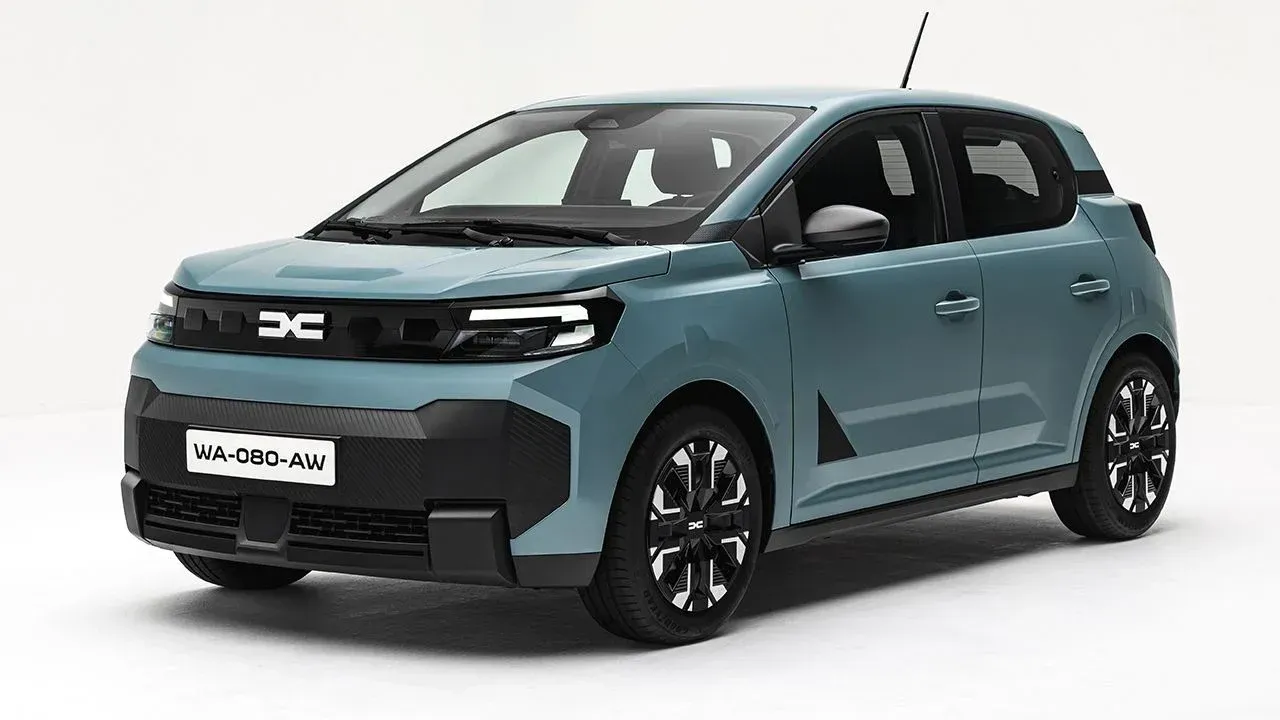
The new Spring should help rectify the situation, but it also highlights Dacia’s difficulties in adapting its usual formula to the electric market. It is a model closely related to the Renault Twingo, sharing its technical platform and production in Slovenia. This strategy allows Dacia to build on the group’s work, though it raises a question: what decisive advantage does Dacia have over Renault?
In the prices announced for France, before subsidies, the Spring starts at 17,900 euros, compared to 19,490 euros for the Twingo. There is a difference of 1,590 euros, so it would be incorrect to say they cost exactly the same from their entry-level versions. However, the lower price comes with a simpler specification set, which narrows the gap between their respective offerings.
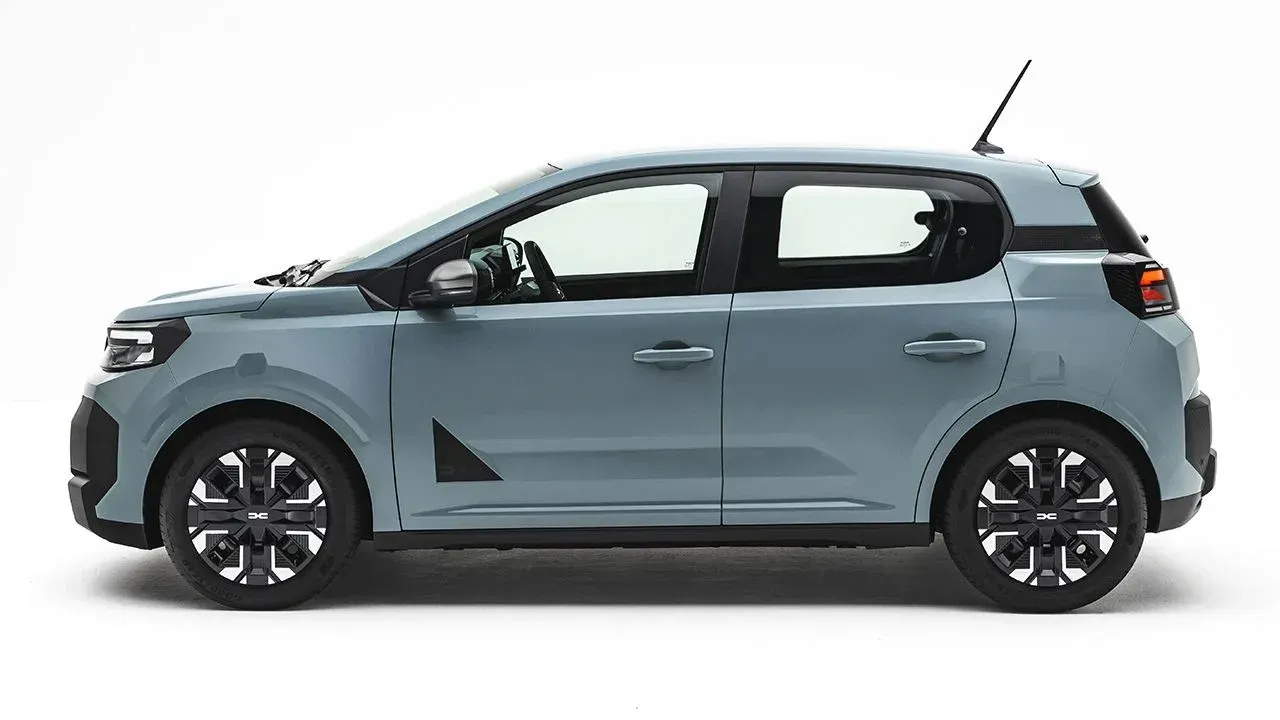
The comparison becomes especially uncomfortable when looking at the Spring Journey version, priced at 19,400 euros. It differs from the basic Twingo by only 90 euros. The finishes aren’t identical: the Dacia comes equipped with features that the entry-level Renault model lacks, while the Twingo retains advantages such as its independent sliding rear seats.
Add to this the design aspect. The Twingo regains a recognizable identity and taps into the memory of a very popular model. From this perspective, it seems better positioned to attract a broader audience seeking more than just affordable transportation. The Spring opts for a more functional image, but when cost savings are at stake, it becomes harder to justify giving up on Renault’s appeal.
Sharing technology is not a problem in itself. The issue is that an affordable car brand needs to offer a clear advantage: significantly lower prices, more space, better equipment, or a compelling combination of all these. If it ends up being too similar to its Renault counterpart, buyers will have fewer reasons to choose it. Dacia faces the same risk as Nissan by offering an alternative that saves too little for those who prioritize price and appeals less to those who also value design.
In the meantime, the rest of the group illustrates why this gap matters. Electric cars accounted for 25.8% of sales in Renault Group’s reported figures for the quarter. Including hybrids and plug-in hybrids, electrified passenger vehicles made up 54.9%. These are distinct categories: expanding the hybrid lineup can help Dacia, but it does not meet the needs of those who want to do without internal combustion engines.
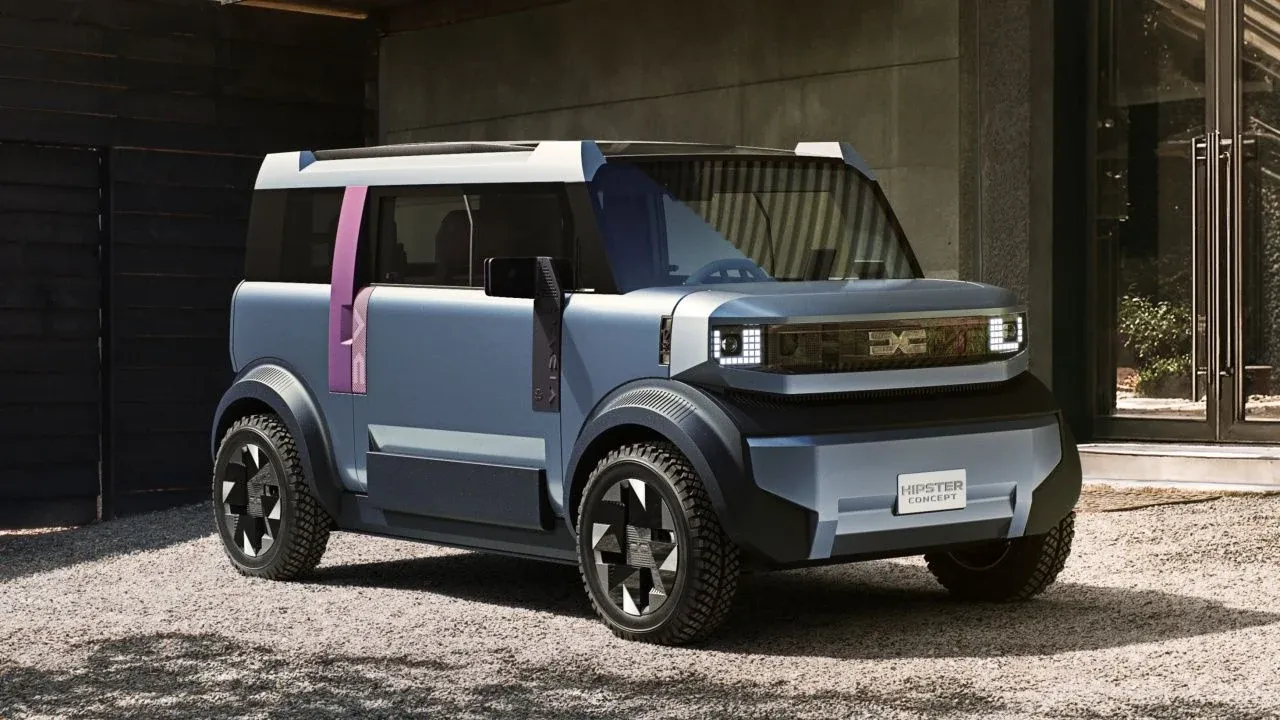
The arrival of the Sandero hybrid and the Striker may support short-term business recovery, but the trend in the European market, with France holding over 40% of the market share, does not paint a very positive future for Dacia. Its next move will be to launch a low-cost model to compete with the AMI, followed by the unusual Hipster model, with an electric Sandero not expected until 2028-2029.
For now, the Renault Group maintains financial stability. Its quarterly revenue increased by 1.5% to around 1.16 billion euros, and it remains on track to achieve an operating margin of nearly 5.5% by 2026. However, the group’s financial results should not obscure the warning signaled by Dacia’s sales: its strategy requires a more ambitious electric vehicle offering.
Dacia has a clear opportunity among those looking to buy an electric car without paying for features they don’t need. To capitalize on this, it needs more than just a city car based on the Twingo with limited discounts. A limited range and prices too close to those of Renault undermine exactly why many buyers would choose a Dacia.