
Dacia launches an appeal to Europe to reduce car prices: “They are becoming too expensive.”

The price of new cars has continued to rise in Europe, and Dacia believes a significant part of the problem lies in the increasing number of regulations that each model must comply with. The Romanian brand has asked European institutions to temporarily freeze new requirements for small cars, aiming to reduce costs and restore a more affordable mobility option.
The request comes from Katrin Adt, Dacia’s CEO, who during the launch of the new generation of the Dacia Spring told Autocar that the European market has lost around 3 million cars since 2019, and that sales have yet to return to pre-pandemic levels. For Adt, the problem has a much greater industrial impact than it might seem at first glance: those 3 million cars would equate, according to her calculations, to the output of about ten factories, along with millions of tires, seats, and other components.
Dacia’s representative believes one of the main reasons for this decline is the rising cost of new cars. Within this price increase, she points directly to European regulations, especially the accumulation of requirements related to emissions and safety. Dacia’s question is not about eliminating these rules, but rather determining to what extent they offer benefits that justify the additional cost for buyers.

The impact on a manufacturer like Dacia is particularly significant. The brand claims it currently allocates around 25% of its research and development budget and engineering team to meeting various regulatory requirements. Adt also states that Dacia has already had to adapt to roughly a hundred standards, with another 107 still remaining to be fulfilled before the end of the decade.
Adt cited driver assistance systems as an example. It explained that one of the most frequently used buttons by drivers in their cars is the one that silences the audio alerts associated with these systems. Its argument is that this should prompt questions about whether certain requirements are truly aligned with what customers need, or whether they sometimes add complexity without providing equivalent benefits.
That is why Dacia, along with other manufacturers, has proposed to the European Commission a freeze on new regulations applicable to small cars. The idea is to have a period of stability that allows continued production of affordable models while the industry deals with both electrification and cost pressures.
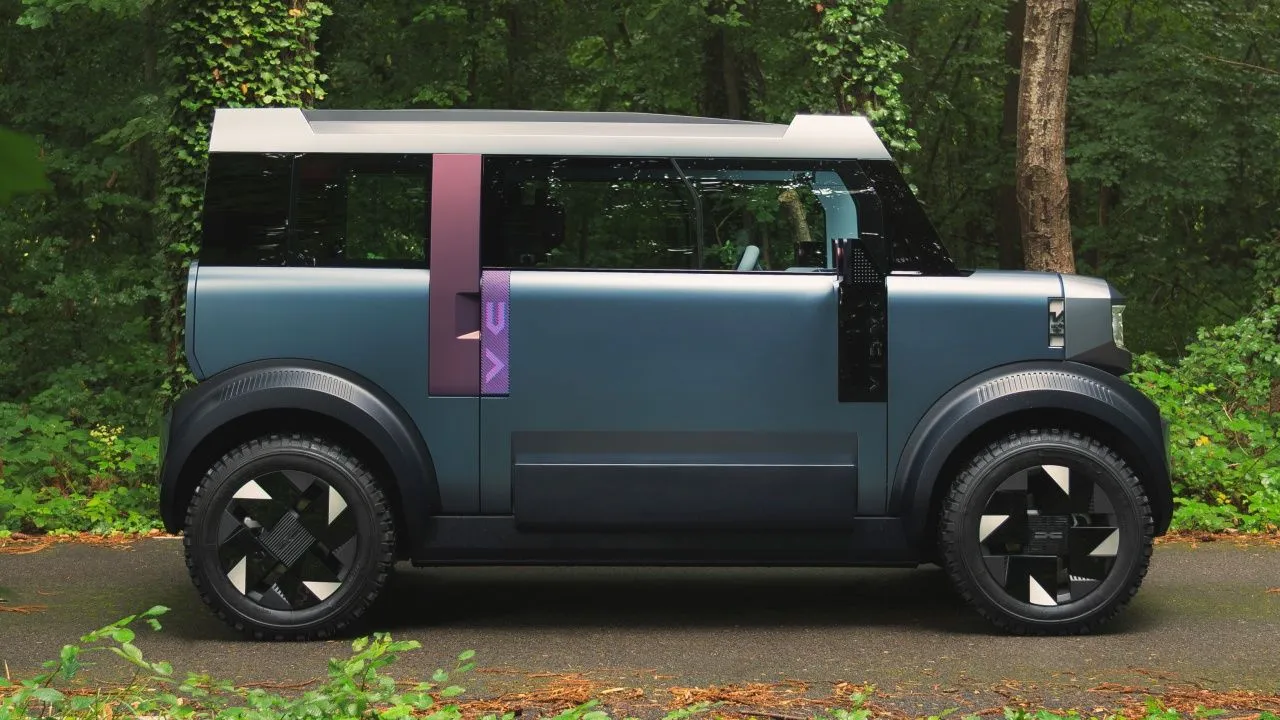
Dacia's request comes at a time when the Renault group is also demanding changes to the pace of introducing new regulations. Fabrice Cambolive, head of Renault, has spoken of a true "tsunami" of regulations and has advocated for a freeze on new requirements for ten years. His argument is that having a more stable framework would allow resources to be focused on reducing prices and advancing electrification.
This is not the first time Dacia has linked a more flexible regulatory framework directly to the possibility of producing extremely cheap urban cars. Katrin Adt had previously indicated that a different regulatory environment could facilitate the production of the Dacia Hipster, a small model designed to offer basic and affordable mobility. When asked about the status of that project now, Dacia’s spokesperson simply replied that one would need to stay vigilant.
The debate has another side as well. Europe is introducing new requirements precisely to improve safety, reduce pollutant emissions, and enhance the durability of certain components. For example, Euro 7 regulation sets new requirements regarding battery emissions and durability, with phased implementation starting in late 2026 and 2027 depending on the vehicle type.
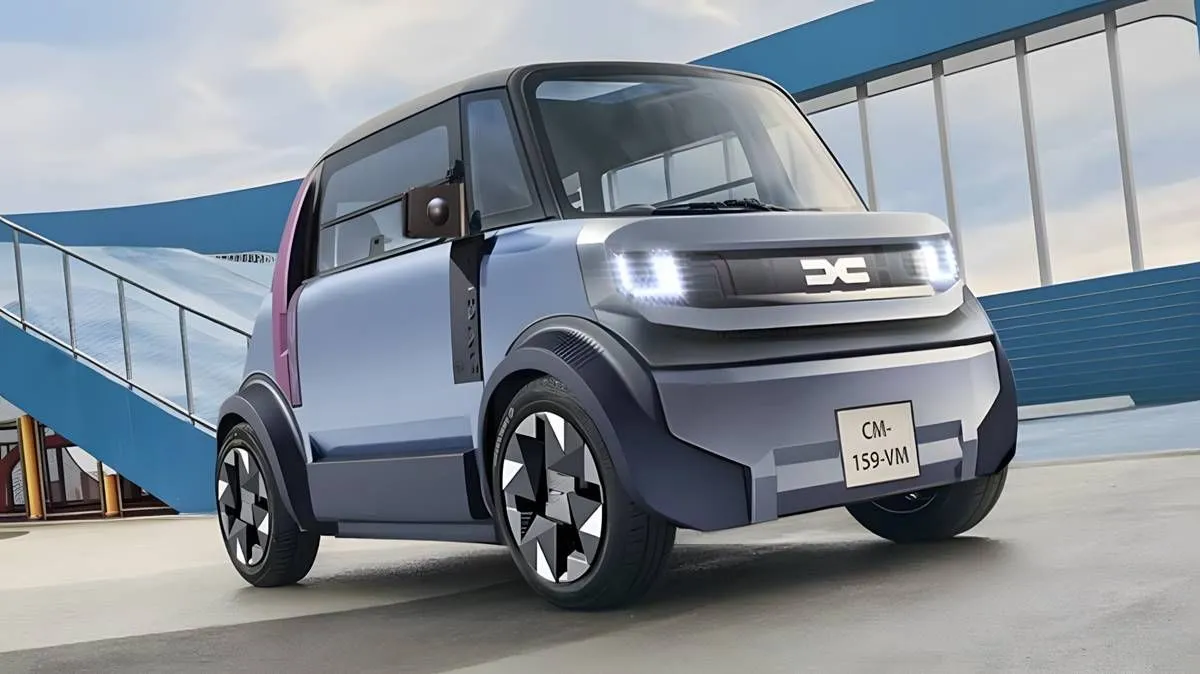
The challenge faced by Dacia is therefore finding the right balance. A small car with a moderate price can incur fewer additional costs compared to a sedan or SUV that is several thousand euros more expensive, and every new mandatory system has a proportionally greater impact on the final price of simpler models.
This discussion is particularly relevant for Dacia because much of its strategy relies on offering cars with a different price-to-specs ratio compared to other manufacturers. The brand itself considers providing essential features for customers while controlling the cost of its products as one of its top priorities.
The request to freeze the regulations does not mean Dacia wants to abandon electrification. In fact, the brand is expanding its range of electric vehicles, with the Dacia Spring remaining one of its key models in this area. What their management is suggesting is that the transition to affordable electric cars will be much more complicated if each new generation has to cope with an increasing number of requirements and development costs at the same time.
The debate has just begun, but it has a very concrete consequence for the European market: if manufacturers have to allocate more and more resources to meet new regulations, part of that cost ends up being passed on to the buyer. And in small cars, where profit margins are much narrower, this difference can determine whether a model remains truly affordable or loses that status.