
Dacia: No fixed date for becoming “100% electric”
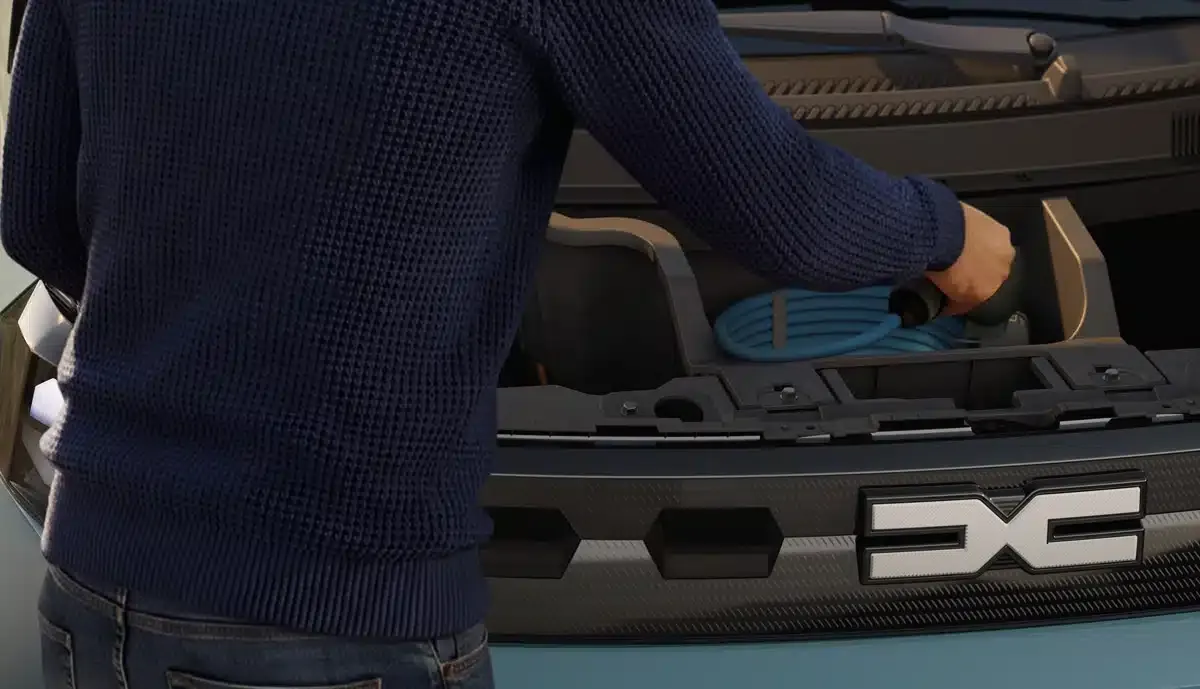
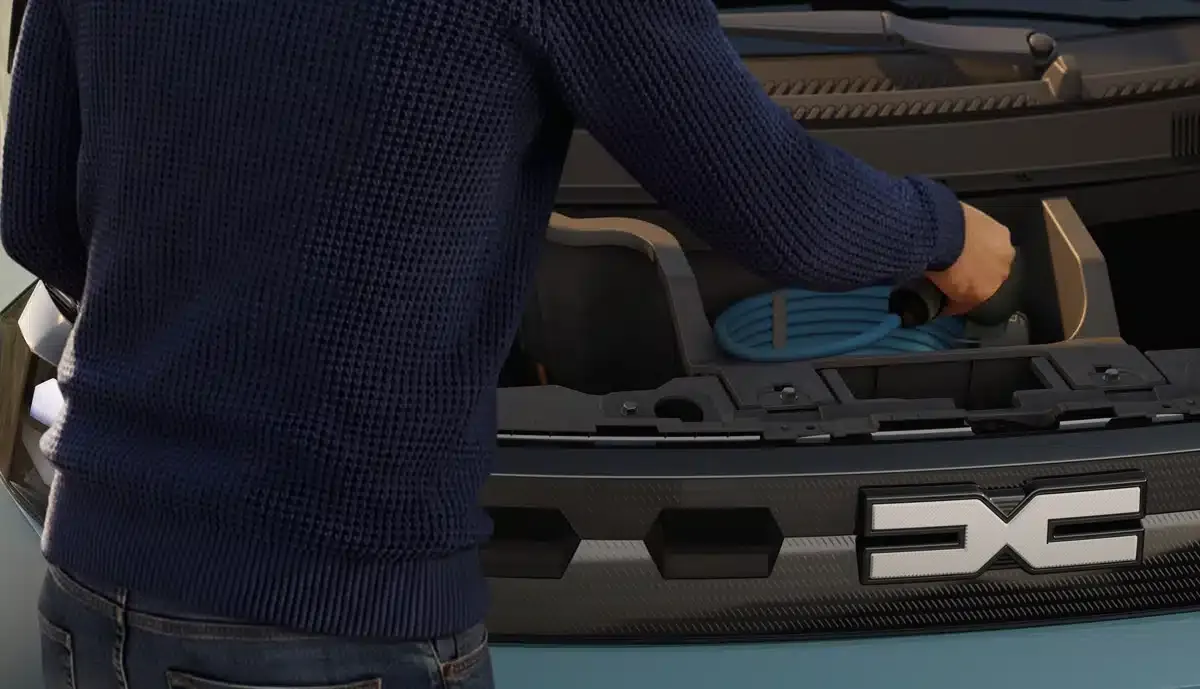
Image: Dacia
The future of the electric minivan Dacia Hipster Concept currently depends on pending EU regulations. According to Edison, company CEO Katrin Adt said the firm is waiting again for regulatory clarity due to lack of decisions in Brussels. Despite the uncertainty, development of this three-meter-long electric vehicle has not stopped.
The manager was cautious about setting a fixed deadline for internal combustion engines. Dacia will continue to offer engines with combustion components as long as legislation permits it and there is demand. Private buyers, in particular, need affordable, long-distance capable main vehicles for their households.
Renault’s subsidiary’s electrification strategy calls for the introduction of four all-electric models by 2030. The process is set to begin gradually in the A-segment (compact cars), as lower vehicle weights there require no extremely large batteries. After that, expansion into higher segments is planned.
The platform of the new electric Renault Twingo is also the basis of the latest Dacia Spring. Both the city car and the mini-SUV are produced together at the Novo Mesto plant in Slovenia. However, there will be no cannibalization within the Renault group. “Have you seen the Twingo? Have you seen the Spring? They are two very different vehicles,” said Adt. “So cannibalization isn’t really an issue that concerns us greatly. These cars target completely different customers. And at the end of the day, we’re cousins—we belong to the same family. So it stays within the family.”
In general, Dacia intends to continue relying on practical solutions such as efficient hybrids and liquefied petroleum gas (LPG) engines to ensure long range and low operating costs. For future models like the new Striker, an option for a range extender is also being considered. Adt described this type of electric drive combined with an internal combustion engine as a compelling idea, provided the technical implementation remains affordable for customers.
Also interesting
About the author
Thomas Langenbucher is an expert in electromobility with professional experience in the automotive and financial industries. Since 2011, he has been covering electric vehicles, sustainable technologies, and mobility solutions for ecomento.de. Learn more.
Reader interactions