
The cheapest electric Dacia cheaper than the Spring will arrive in 2027
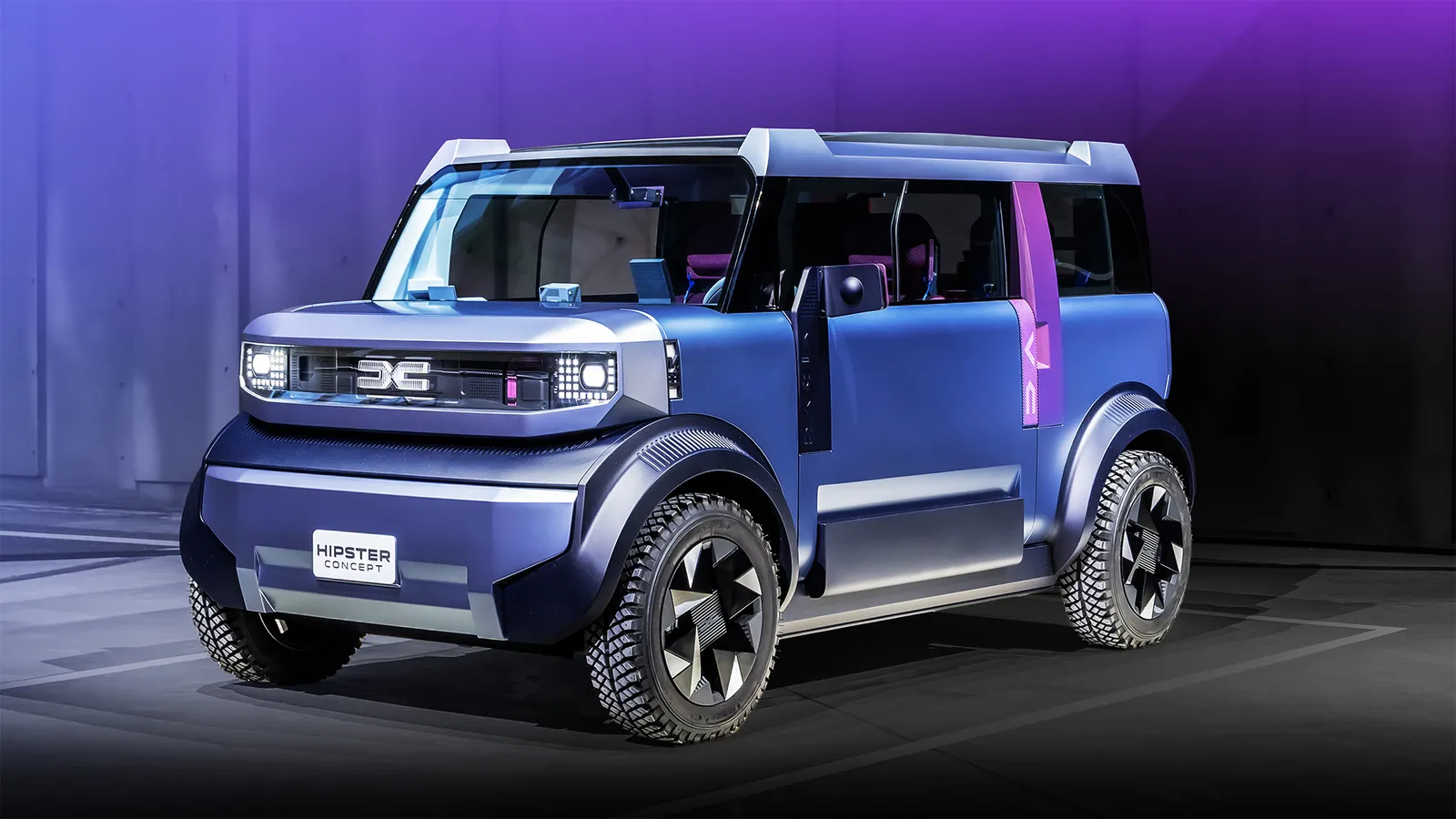
Introduced as a concept in 2025, the Dacia Hipster is set to go into production in 2027 at a price of less than 12,000 euros.
For those who find the Dacia Spring — the cheapest new electric car on the market — still not affordable enough, Dacia isn’t stopping there. The intention is clear: to launch an even cheaper, lightweight, efficient electric car designed for city use. This could happen sooner than expected.
The Hipster, which has so far only been presented as a concept with no confirmation it will ever go into production, is expected to hit the market next year at a price estimated to be under 10,000 pounds — roughly 11,615 euros at the current exchange rate.
This information was provided by Autocar, which also revealed that the Hipster will be produced in China, at the Shiyan factory where the first generation of the Spring was manufactured until recently.
An even smaller and cheaper electric vehicle
If realized, the Hipster will sit below the Spring in Dacia’s lineup and adopt a different approach from the current urban electric car. Rather than focusing on offering greater range or more features, the priority will be to reduce weight, complexity, and production costs.
According to the information released, the model is being developed to meet the requirements of the L7e category, intended for heavy quadricycles. This classification imposes limits such as a maximum power of 15 kW (20 hp), a maximum weight of 450 kg without the battery, and a top speed of 90 km/h.
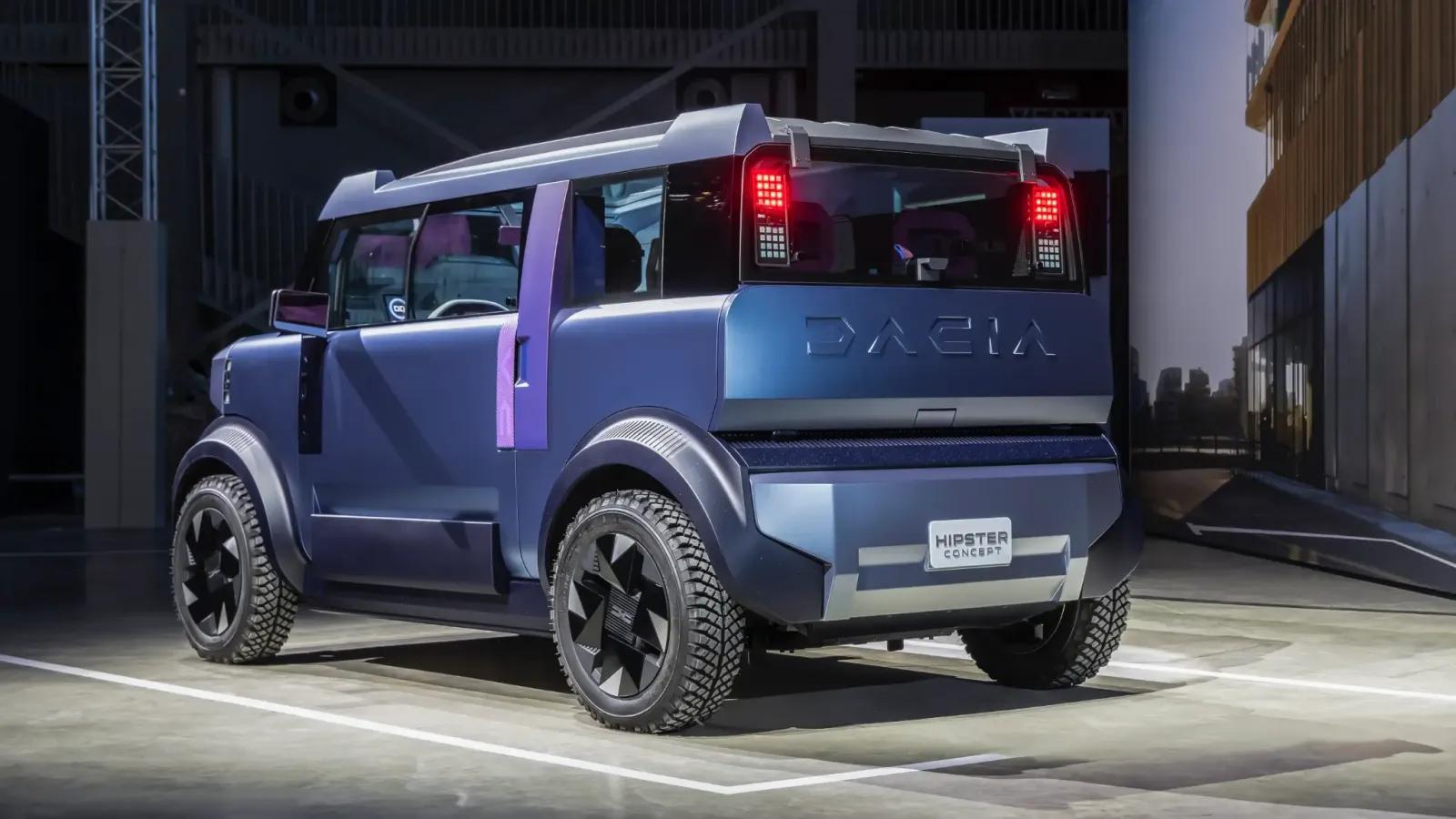
A two-seater configuration, falling under the L6e category, is not entirely ruled out. The final decision on the configuration and mass production still depends on ultimate approval.
Autocar also mentions that the Hipster could use a battery with a capacity of around 15 kWh. However, the chemistry used and the final battery configuration remain to be determined, as these factors will affect the vehicle’s price and range.
The technical development, supported by Renault’s team in China, makes it possible to reuse components from the first generation of the Spring.
What changes compared to the concept?
Although the production version will generally retain the appearance of the prototype shown last year, some changes are expected. The designs in the recently filed patents suggest an evolution in design, especially at the front and rear.
Nevertheless, it is expected that the model will maintain the compact dimensions of the concept: around three meters in length, 1.55 meters in width, and 1.53 meters in height. One of the most significant changes is likely to be at the rear, where the two-part opening in the prototype will be replaced by a side-hinging door.
When will it arrive?
The launch of the production version is scheduled for next year, according to sources cited by Autocar.
"The project is under development and now only requires final approval."
David Durand, Dacia’s design director
There is still no confirmation of availability for sale in Portugal, nor any official prices. The final values regarding range, equipment, and performance remain unknown as well.