
Dacia admits cheaper electric car than the Spring but there’s a problem
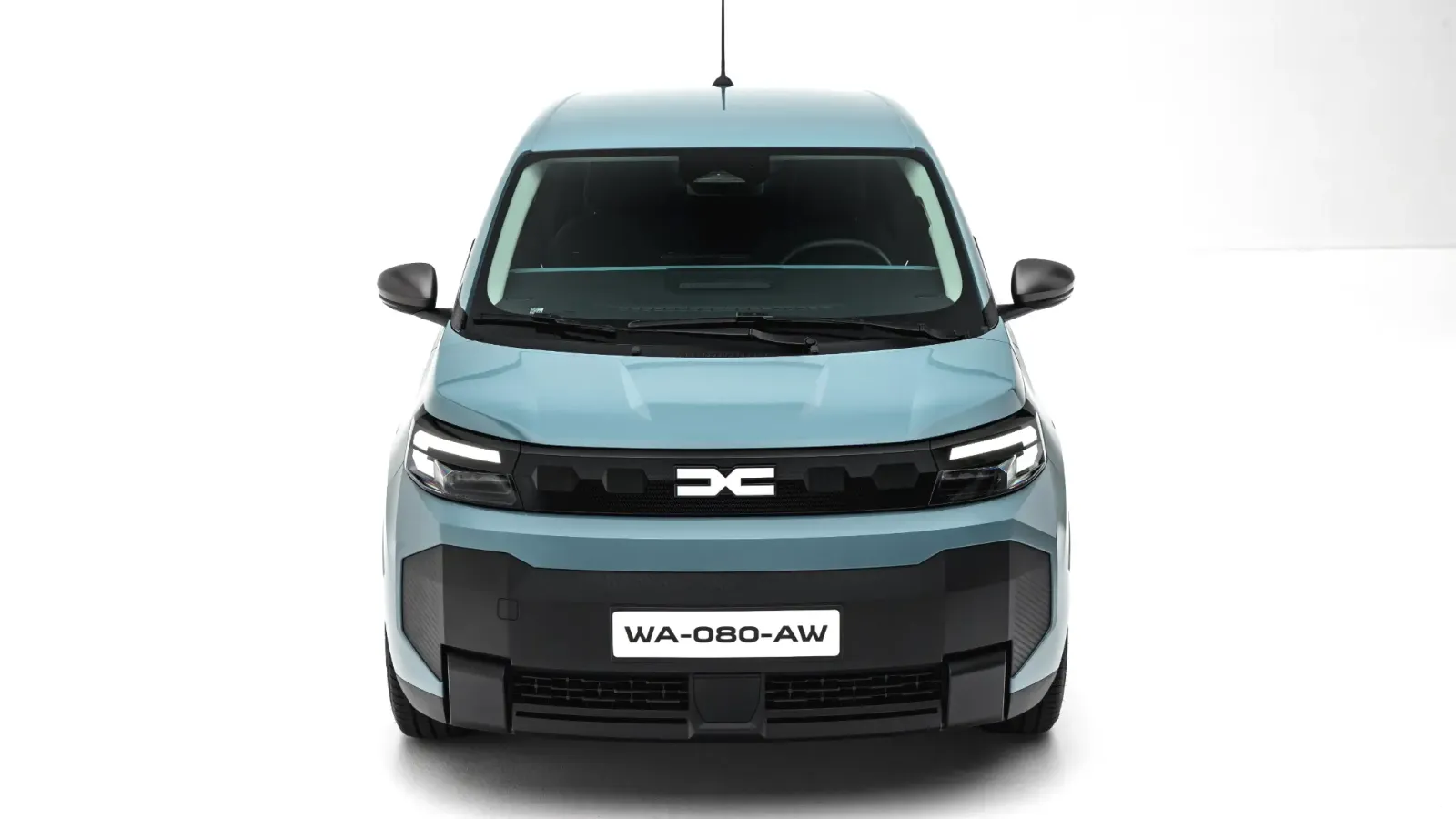
The new Spring hasn’t even hit the market yet, and Dacia is already looking at a cheaper electric vehicle, but there’s an obstacle to this plan.
Dacia just unveiled the new Spring, and although it promises to be one of the cheapest electric vehicles on the market, the Romanian brand admits that it would be possible to go further and create an even more affordable electric car if not for European regulations.
In remarks to Autocar, Dacia’s CEO Katrin Adt called for simplification of the rules applied to smaller cars and left the door open for the Hipster, the small electric vehicle the brand previewed last year.
Asked about the status of the project, Adt didn’t confirm its production but also didn’t rule it out. Her response wasn’t enough to announce a new model, but it was sufficient to show that the Hipster isn’t forgotten: “Stay tuned.”

A difficult obstacle to overcome
Weighing around 800 kg, measuring three meters in length, and built with an extreme minimalist philosophy, the Hipster is designed to focus solely on essentials. Its features include simple fabric seats, manually operated windows, and only the most necessary equipment.

The goal here is also quite different: the prototype is intended to cost less than 15,000 euros, clearly below the price of the new Spring. Of course, this would only be possible if European regulations allowed it.
For Katrin Adt, European cars are becoming too expensive, and in her view, “the main reason is regulation. This remains a problem,” she emphasized. The results are evident: since 2019, three million fewer cars have been sold, according to her.
“The world needs Dacia more than ever, and it’s harder than ever to be Dacia.”
Katrin Adt, CEO of Dacia
Rules, rules, and more rules
Dacia says 25% of its research and development budget and engineering team are currently dedicated to complying with various regulations. And the list keeps growing: according to her, the brand has already met about 100 rules but still has another 107 to comply with by 2030.
Adt even provides an interesting example: “The most used button in our cars is the so-called magic button, which allows us to turn off all sound alerts from ADAS.” For Dacia, the solution lies in “freezing” these systems in smaller cars.
But it’s not the only company supporting this alternative. Fabrice Cambolive, CEO of Renault, has also described European regulations as a “tsunami of rules.” Suspending all these rules, in his words, would allow Renault to focus on accessibility and electrification.
Promises still unfulfilled
It’s worth recalling that almost a year ago, the European Commission unveiled the Small Affordable Cars initiative. Under this initiative, the creation of a new car category, M1E, was announced.
This should cover passenger cars up to 4.2 meters in length, which must be electric. Apart from that, everything else regarding this category remains undisclosed. In fact, this delay in making decisions has already drawn criticism from Hyundai Europe’s CEO, Xavier Martinet:
“If the European Union wants to make electric cars more accessible, we fully agree. But we need details on exactly what the requirements are, and that’s still what we’re waiting for.”
Xavier Martinet, CEO of Hyundai Europe