
So those blinding lights in Teslas aren’t entirely a myth? The U.S. NHTSA is demanding fixes
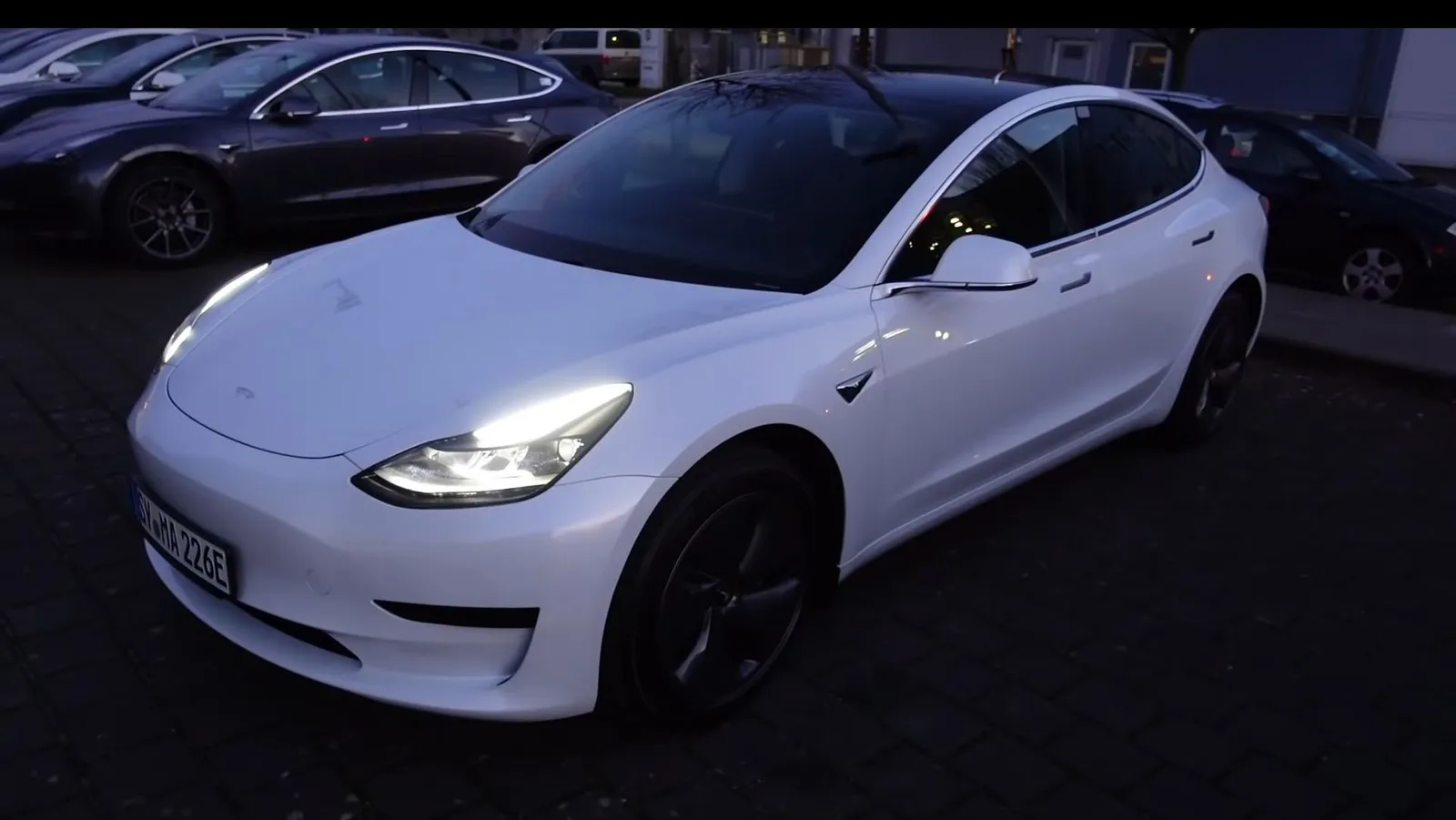
The U.S. National Highway Traffic Safety Administration (NHTSA) rejected Tesla’s request regarding the brightness of headlights on Model 3 and Model Y vehicles from model years 2017–2023. The manufacturer discovered the issue in March 2024 and submitted the relevant paperwork at that time. The administration issued a negative decision, requiring the company to announce a “recall,” meaning creating an appropriate software update to reduce headlight brightness, and then distributing it to the vehicles.
Too Bright Headlights on Tesla Model 3/Y (pre-facelift)
Let’s start with an important caveat: the official document (source) refers to vehicles produced from late October 2017 to late December 2023 and sold in the United States. These cars manufactured at the Fremont plant (California, United States) were shipped to Europe for a while, but they were quickly replaced by models coming from Giga Shanghai (China), and later from Giga Berlin (Germany; only the Model Y). It is unclear whether all of them had headlights from the same supplier, German Marelli Automotive Lighting – though it cannot be ruled out.
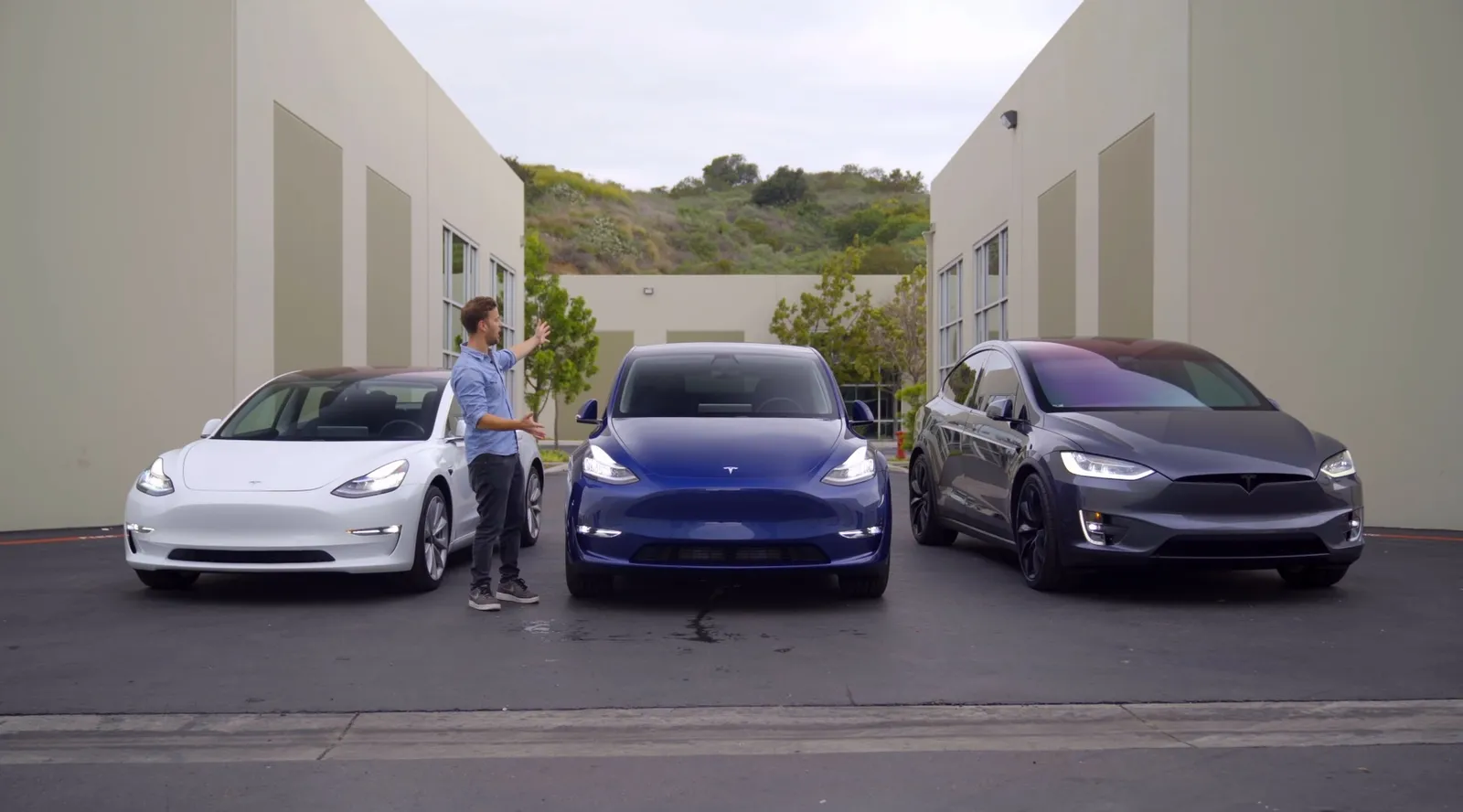
Tesla Model 3, Tesla Model Y, and Tesla Model X from around 2020
The issue turned out to be the brightness (commonly referred to as intensity) of the headlights. In the critical angle range, it must not exceed 125 candelas to avoid blinding other road users. However, Tesla vehicles from that period have a value of up to 230.1 candelas, with the right-side headlight (viewed from the driver’s side) having a range of 136.2–230.1 candelas, and the left-side headlight ranging from 117.5–160.3 candelas. According to the manufacturer, an independent study by Transport Canada measured a maximum of 171.27 candelas for the left headlight.
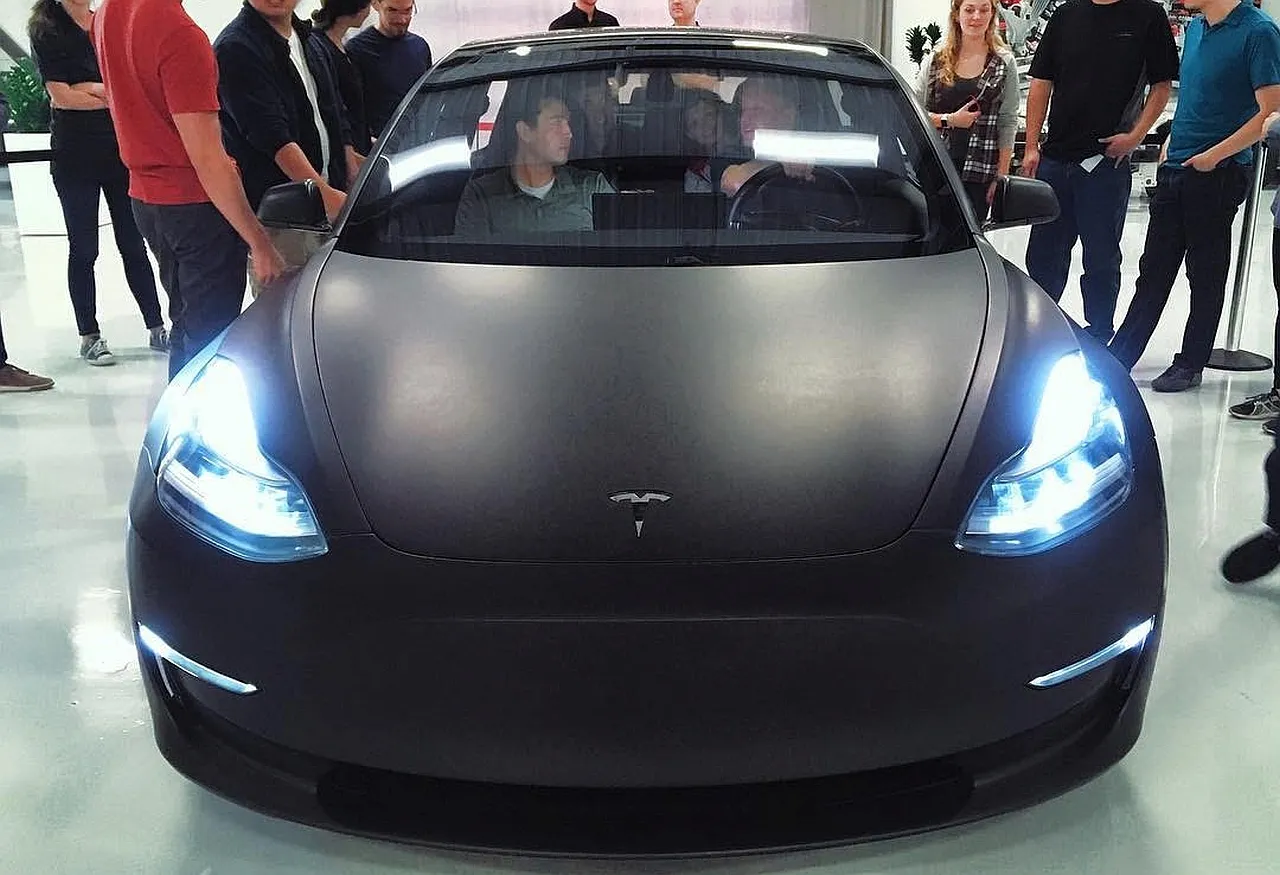
The cited ranges come from Marelli Automotive Lighting, which tested 25 headlamps. Tesla conducted its own tests and found that exceeding the standards “has no impact on safety” because it occurs off the road, outside the driver’s and other road users’ field of vision, both horizontally and vertically. Therefore, there is no risk of blinding surrounding vehicles or the driver, concludes the manufacturer. Meanwhile, NHTSA, which cited the manufacturer’s research, notes that this applies to an area of 30 degrees inward and 20 percent upward for both headlamps.
Despite this, the agency rejected the manufacturer’s claim, stating that it had not conducted any tests on curved roads or under adverse road conditions where a large portion of the light beam could reflect back toward the driver (e.g., in fog). Tesla is required to announce a recall and resolve the issue.
Article Rating
Readers' Ratings
[Total: 2 votes Average: 5]
Don’t miss new content — CLICK and FOLLOW Elektrowoz.pl on Google News. You might also be interested in the following ads: