
Cybertruck + Powerwall 3: Tesla secures the home energy system
Tesla has finally enabled combined home backup between the Cybertruck and Powerwall 3. The electric pickup can now use its 123 kWh battery to extend the energy capacity of a home that already has Tesla’s energy storage system.
Tesla thus finally completes the Powershare project. Thanks to the vehicle-to-home (V2H) two-way charging, the Cybertruck can now work together with Powerwall 3 to power and protect a home during a blackout.
A single energy storage system
Until now, the controversial futuristic pickup Cybertruck could power a home during a power outage. But it couldn’t operate alongside an already installed Powerwall storage system. Owners were therefore forced to choose which battery to use for backup.
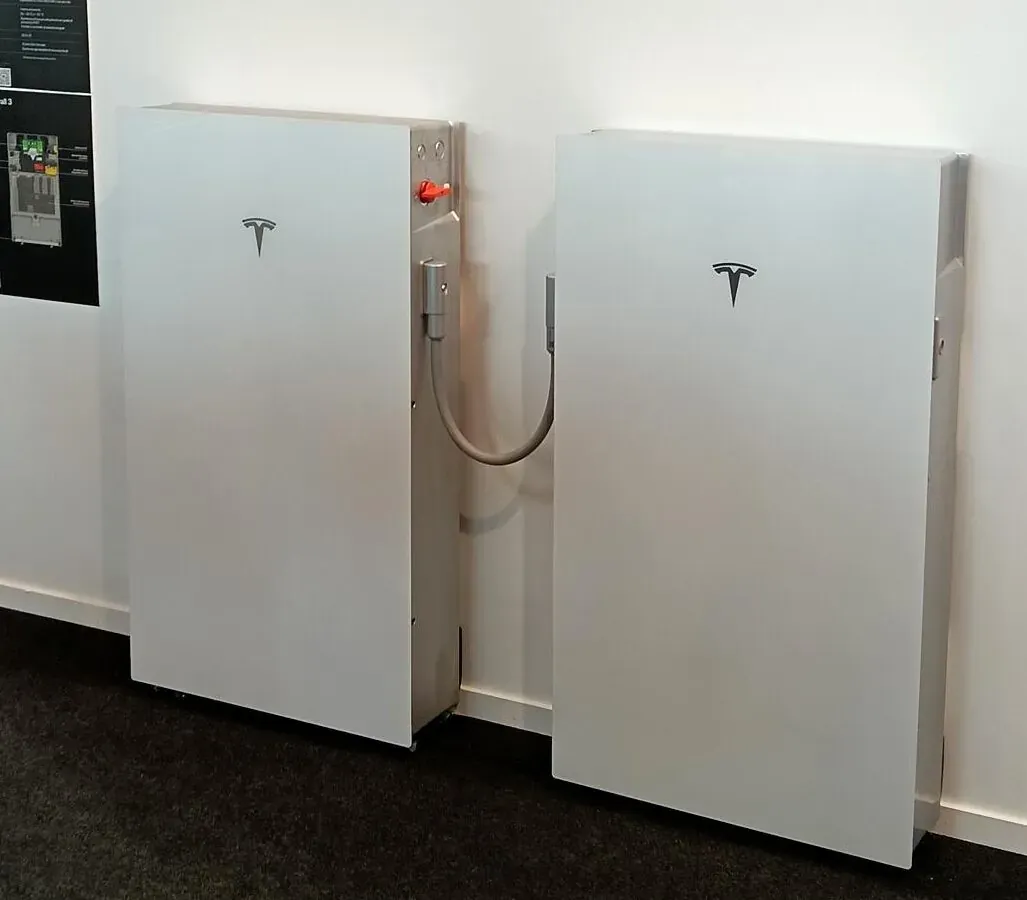
With the new update, Powerwall 3 continues to power the home while the Cybertruck’s battery extends its operational time. Tesla estimates the additional energy quite effectively: the 123 kWh of the Cybertruck is roughly equivalent to nine Powerwalls, given each home battery’s 13.5 kWh capacity.
Years of Waiting and Delays
Tesla had announced integration with Powerwall shortly after the launch of Powershare, but timelines kept getting extended. The company had set 2025 as the target date for this compatibility to arrive. That deadline was not met, so Tesla shifted the goal to mid-2026. Yet even at the end of August, no specific date had been announced. At least not up to now.
The delay is not solely due to software development. Coordinating two devices capable of creating and stabilizing the home electrical grid, which belong to different hardware generations as well, requires complex integration from the standpoint of electrical safety and certifications.
The Cybertruck increasingly integrates into the electrical grid
The introduction of the backup system with Powerwall is part of a broader strategy by Tesla to transform the Cybertruck’s battery into a true energy resource.
In 2026, the company launched a vehicle-to-grid (V2G) program in Texas specifically for its pickup truck. Later, it included the Cybertruck in PG&E’s program in California, where it became the first AC V2G-enabled vehicle to participate in the initiative.
Previous Article
German company ZF releases over 100 kits for electric motor repair
Next Article
Skoda Epiq prices start at 27,700 euros (for now)