
Cybertruck fined in Germany: insufficient B license
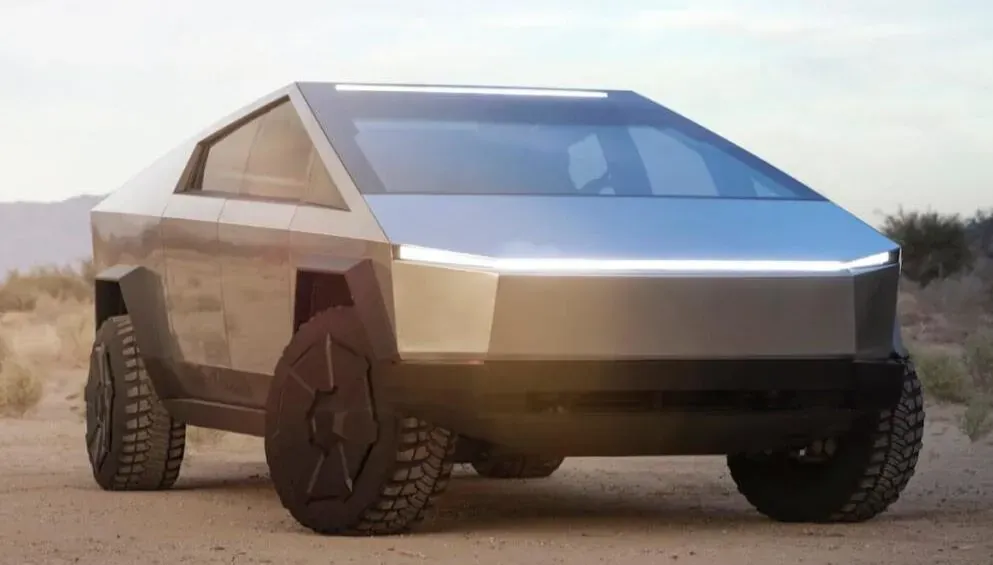
The Cybertruck was fined in Germany: the driver encountered a police checkpoint while traveling on an highway in Bavaria. His license was not suitable for driving a vehicle of such weight. This incident highlights the homologation issues in Europe regarding the controversial Tesla pickup. Its size, weight, and safety requirements may limit its circulation and sales.
The incident occurred near Vaterstetten in Bavaria, not far from Munich. According to local media reports, the police stopped the Cybertruck and cited the driver for having a license that was not appropriate for the vehicle’s weight.
The Swedish driver held a Class B license, which is typically used to drive cars. However, the officers indicated that a Class C1 license was required, as it allows driving vehicles with a total weight between 3.5 and 7.5 tons in Germany. As a result, the Cybertruck could not continue its journey.
Cybertruck Fined in Germany: Class C License Required
This incident shows that bringing a Cybertruck onto European roads can pose problems beyond import procedures and administrative approvals. The key issue lies in the maximum allowed weight (or weight when fully loaded), which differs from the vehicle’s normal weight when empty.
In general, a Class B license allows driving vehicles with a maximum authorized weight of up to 3.5 tons. However, the Cybertruck exceeds this limit in its configurations (around 4 tons), considering the total weight including passengers and cargo. As a result, the fact that the vehicle may weigh less than 3.5 tons under certain conditions is not sufficient to allow it to be driven with a Class B license.
It goes without saying, then, that for those who intend to import or use the pickup in European countries, the process is not that simple. It is necessary to verify both the registration requirements and those related to the required license category. The applicable rules depend on the vehicle’s classification and national regulations. But the German case highlights a concrete obstacle even for those who manage to physically bring the vehicle to Europe.
European approval: pedestrian safety remains a hurdle
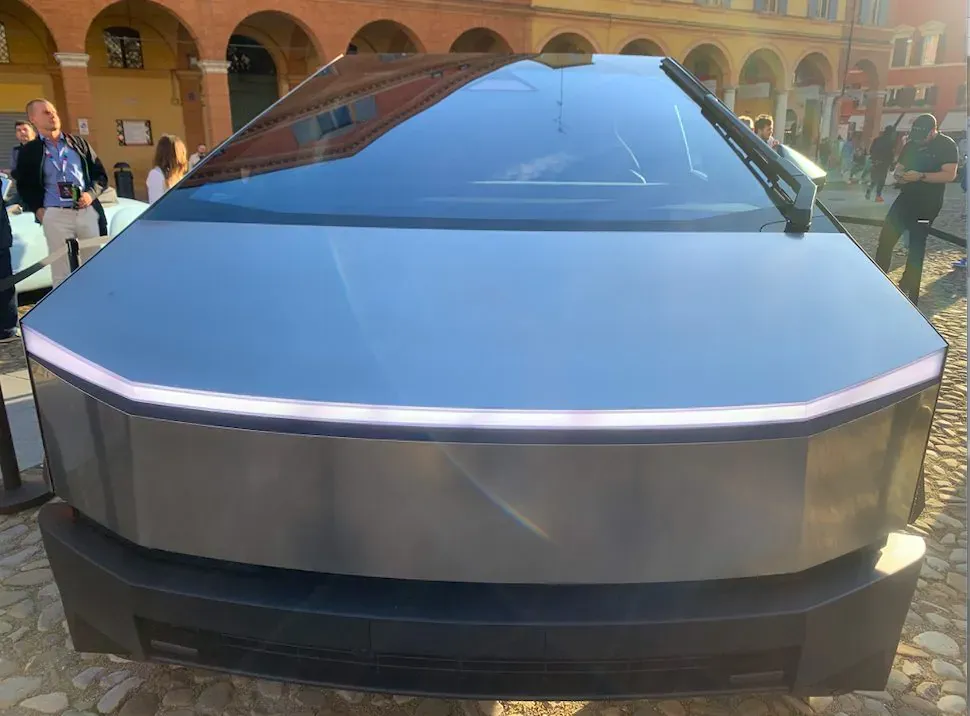
The issue of licensing adds to the problem of approval. The Tesla Cybertruck still lacks regular European approval, which would be necessary to sell it and register it properly within the EU.
Controversial aspects include safety requirements, particularly those related to protecting vulnerable road users. Its sharp edges, rigid surfaces, and body design raise doubts about the vehicle’s compliance with European pedestrian protection standards.
The lack of regular approval does not mean that every appearance of the Cybertruck in Europe is automatically impossible under any circumstances. There may be individual procedures or special permits subject to specific conditions. However, these do not equate to a general clearance for circulation.
From seizures in the UK to inspections in Germany
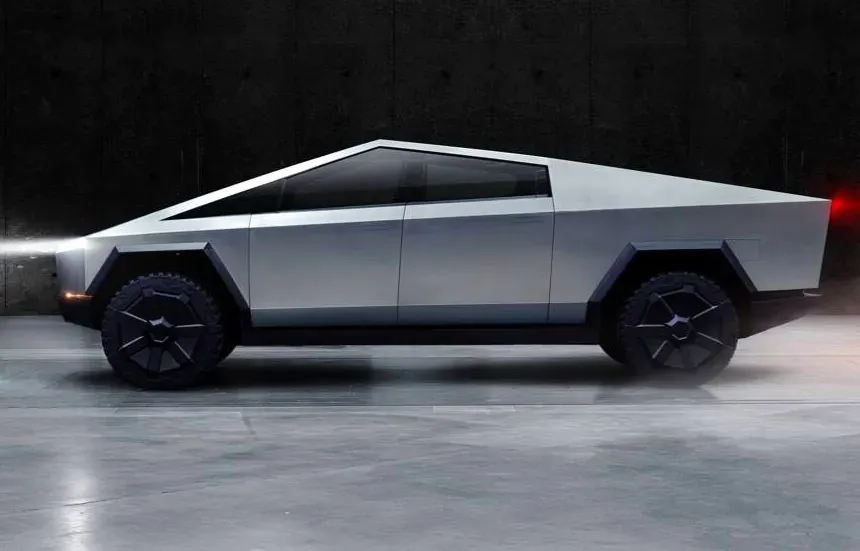
The Bavarian case is not isolated. In the past, an imported Cybertruck was seized in the United Kingdom because it was deemed not to meet the requirements necessary for road use. Other incidents involved attempts to transfer units to Russia via Lithuania, as well as warnings issued to U.S. troops in Germany about the inability to freely use the model on German roads.
For now, however, there are no indications of an imminent official launch of the Cybertruck in Europe. This is partly because Musk’s much-anticipated vehicle has not met sales expectations even in the United States itself. In fact, things are worse there.
It is clear, however, that any entry into the Old Continent market would require addressing various unresolved regulatory issues, in addition to the complex technical challenges related to the vehicle’s design.
READ ALSO: Tesla Cybertruck: Musk bought one in every five”. And watch the VIDEO
Previous Article
China Zorrilla debuts in South America, the 40 MWh battery ferry
Next Article
Sensors to combat unauthorized charging at Powy stations