
Cybercab is coming to Poland. Tesla’s futuristic robotaxi will appear near Warsaw.
In the article:
- When and where in Poland can one see the Cybercab?
- How was Tesla’s most futuristic project born?
- The Cybercab is stirring emotions in the industry, unfortunately also among regulators
The Cybercab will be parked near Warsaw
Tesla will showcase the Cybercab in Poland for the first time—a vehicle designed exclusively for autonomous passenger transport. The car can be viewed on December 4 and 5, 2026, at the Tesla Center Warsaw located at 334 Radzymińska Street in Ząbki. The event will run from 10:00 to 18:00 and is part of a European tour covering nine countries and twelve locations.
Unlike traditional automotive premieres, this will not be an opportunity for test drives. Tesla says visitors will be able to view the vehicle up close, take photos of it, and learn about its design. The company emphasizes that the event aims to showcase a vision for autonomous transportation in the future.
From the Robotaxi project to Cybercab
The history of Cybercab dates back to several years of development in Tesla’s autonomous driving technology. A pivotal moment came in October 2024, when during the “We, Robot” event, Elon Musk unveiled a prototype vehicle known as Cybercab. The car was designed differently from traditional cars from the outset. It had no steering wheel, pedals, or side mirrors. Everything relied on cameras, computer systems, and artificial intelligence responsible for driving the vehicle.
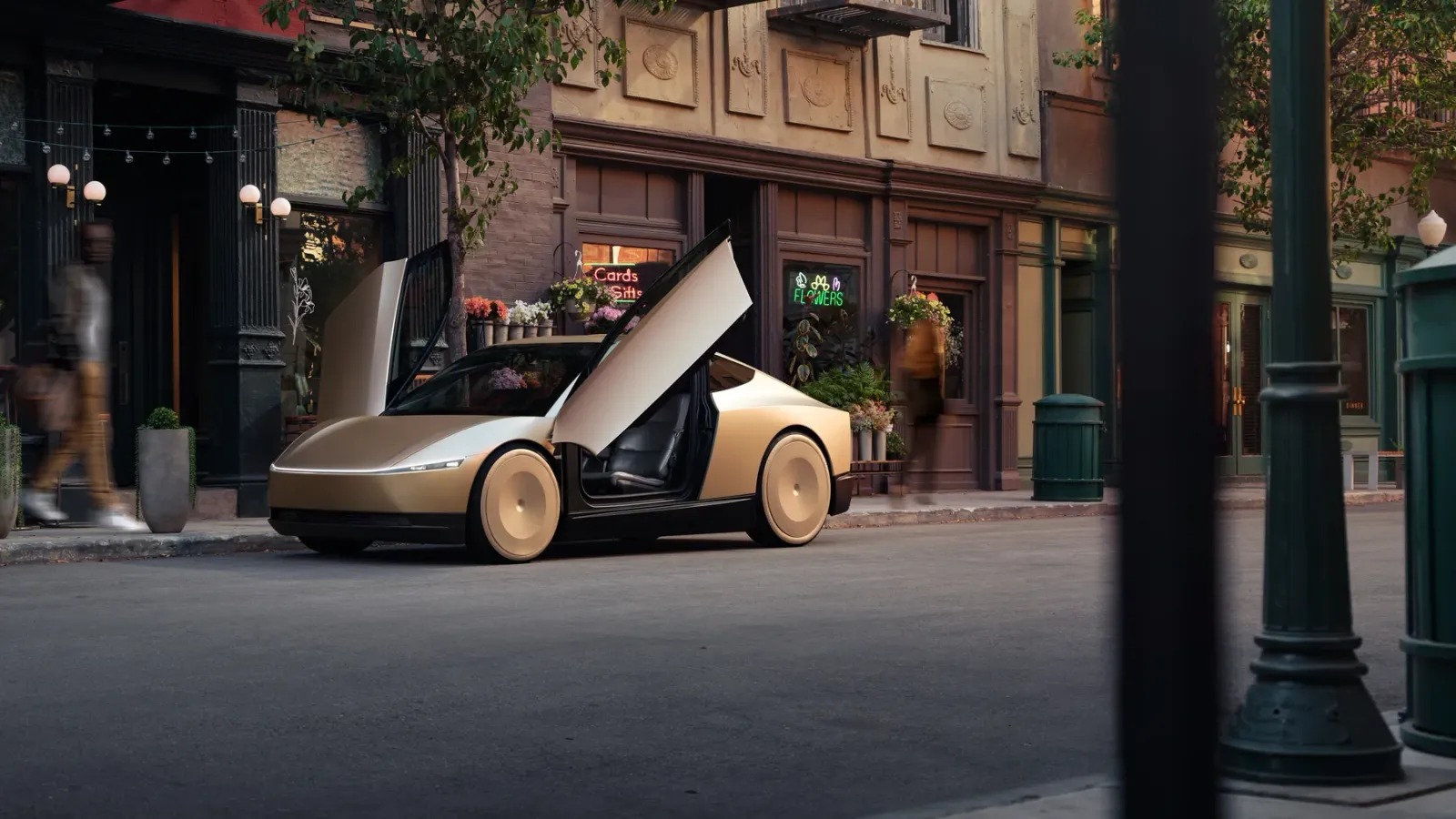
According to Musk’s statements, Cybercab was meant to become the foundation for Tesla’s future network of robotaxis. In the following months, the manufacturer developed the infrastructure, prepared production lines, and conducted transportation service tests in Austin, Texas. In 2026, the project entered the commercialization phase, with the first units beginning to appear on roads as part of pilot transportation services.
A driverless car with no compromises
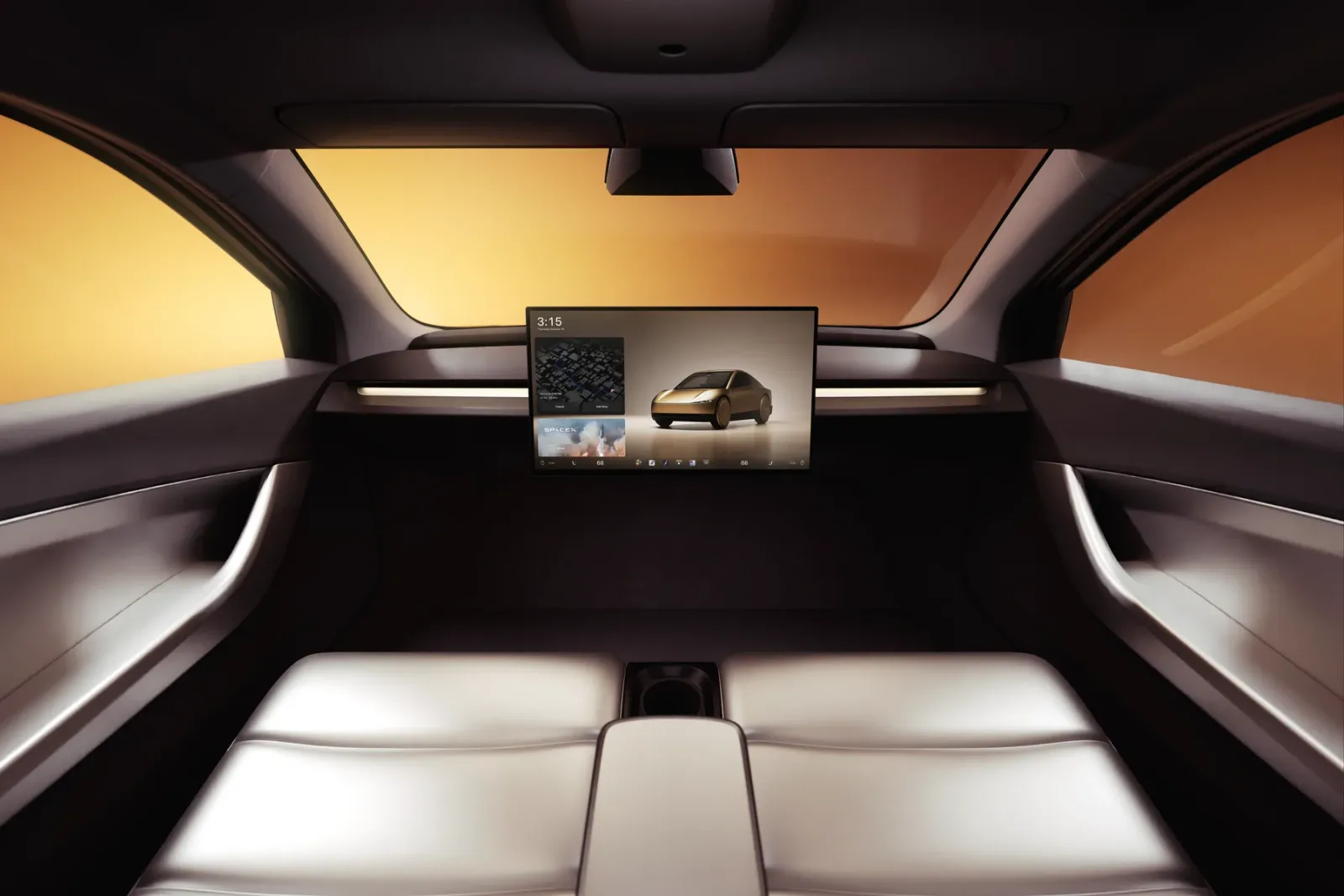
Cybercab was designed from the ground up as an autonomous taxi. It has only two seats inside along with a central multimedia screen. The absence of a steering wheel and pedals means the passenger becomes merely a user of the transportation service rather than a driver.
Tesla describes the project as part of the development of its Robotaxi platform. On its European site, the company encourages visitors to learn about “the project that launched the future of autonomous transportation.”
Cybercab also represents the manufacturer’s new technological approach. Elon Musk has emphasized that the propulsion system used does not rely on rare earth metals. As he stated during the technology presentation, “The Cybercab engine contains no rare earth metals, yet it still maintains the same range.” This quote received widespread coverage in industry media, as it relates to discussions about reducing dependence on global supply chains and China’s dominance in the rare earth elements market.
Europe watches, regulators analyze
The Cybercab demonstrations come at a time when the development of autonomous vehicles remains one of the most controversial topics in modern automotive industry. Although Tesla is developing robotaxi services in the U.S., implementing similar solutions in Europe will require meeting a range of legal and safety requirements.
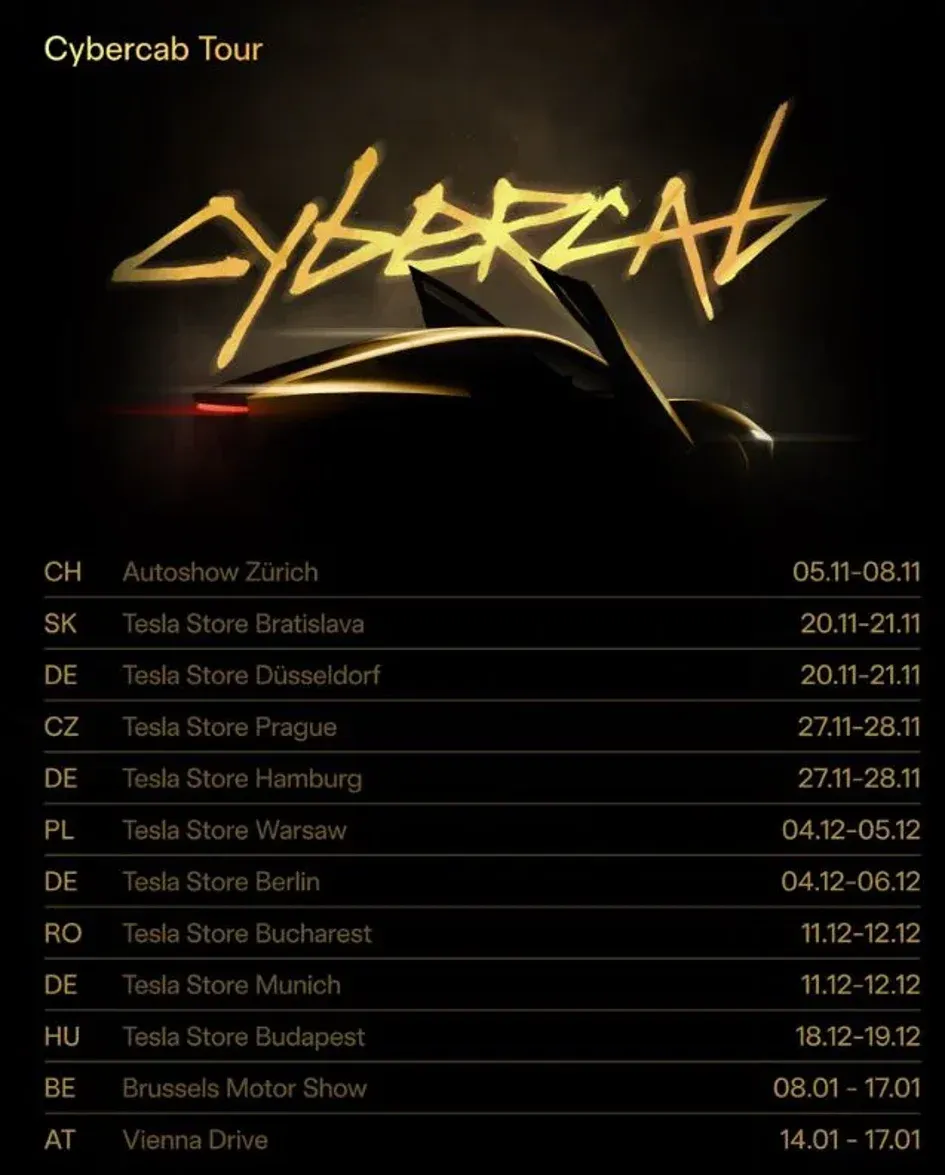
It is no coincidence that the European tour primarily serves as a demonstration today. As market observers note, Tesla is generating interest in the technology even before its potential deployment on the Old Continent. The tour includes cities such as Zurich, Prague, Warsaw, Berlin, Budapest, and Brussels.
Oskar Włostowski