
Cupra Born with a faulty battery in court. Offenburg allows car return under EU law
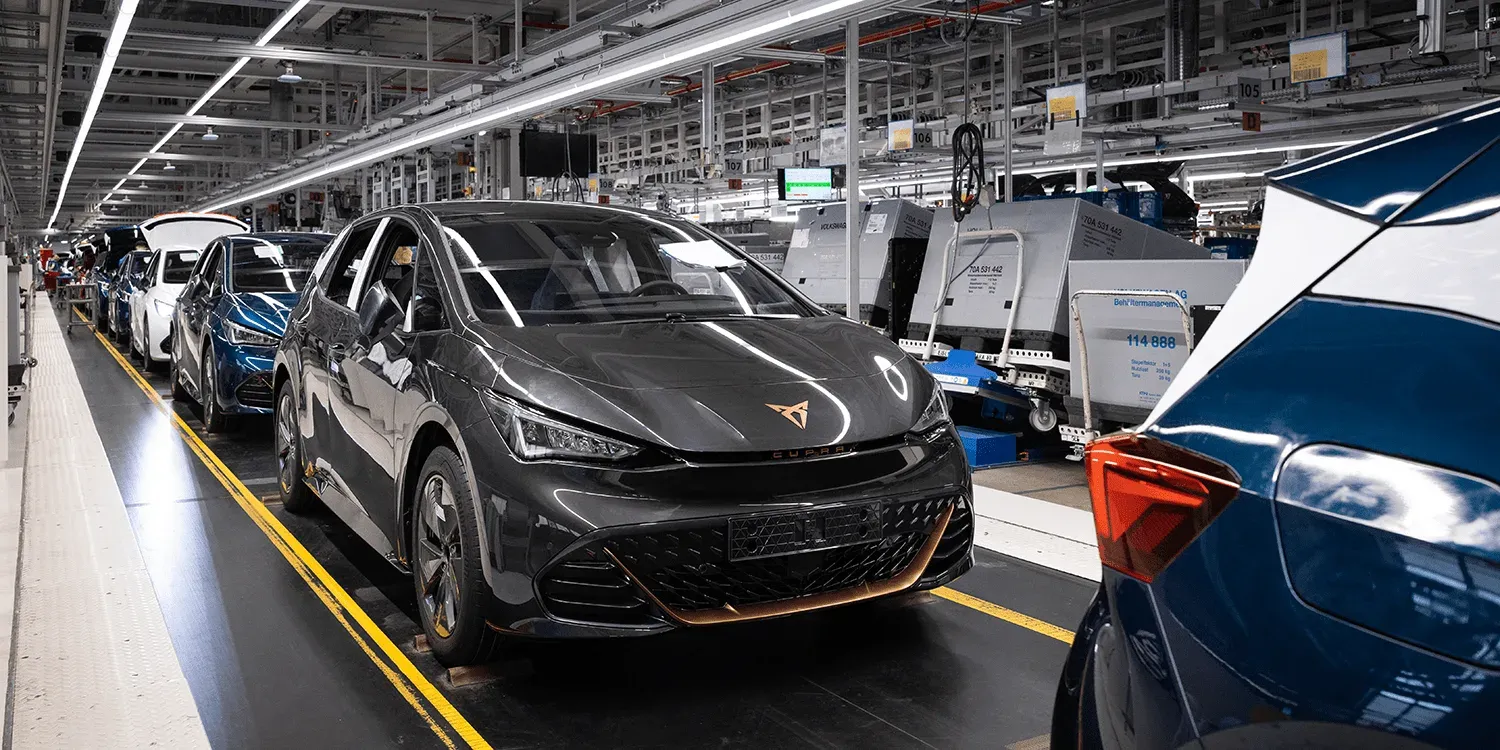
The district court in Offenburg is handling the case of the owner of the Cupry Born vehicle affected by the recall of battery 93S4. It ruled that she can pursue claims against Seat under Article 37 of the EU’s 2023/988 Regulation on general product safety as well. This is a preliminary legal assessment from October 16, 2026, not a final judgment, but it opens up an additional avenue for drivers of electric vehicles with defective batteries. If the manufacturer fails to fix the defect within a reasonable time, the regulation mandates a refund. The decision was published by Dr. Stoll & Sauer, the law firm representing the buyer.
What Article 37 states
The regulation takes effect on December 13, 2024, and governs safety-related recall actions. The company responsible for the recall must offer consumers an “effective, free, and immediate” solution. Generally, it should provide at least two out of three options: repair, replacement with a safe product of the same type with at least the same value and quality, or a refund of at least the amount paid. Only one option may be proposed exceptionally, for example, when the others are impossible or disproportionately expensive. If repair or replacement cannot be carried out within a reasonable time without significant inconvenience for the owner, the buyer is entitled to a refund.
However, the date of entry into force raises the question of whether and to what extent the rule applies to cars purchased earlier. The court has not yet ruled on this.
Two actions for Cupry Born
Operation 93S4 was announced in March 2026. Some battery modules may lose range and trigger a warning light, and in extreme cases, it could lead to a fire. The campaign affected nearly 100,000 vehicles from the company: 74,579 ID.3, ID.4, ID.5, ID. Buzz, and ID. Buzz Cargo units worldwide, along with 19,452 Cupra Born vehicles. The owner wants to terminate the contract and has sued both the seller and Seat as the manufacturer. The court considers warranty claims against the seller possible, as well as claims against Seat under German product safety laws, specifically Article 37. The defendants have until November 6, 2026, to respond.
The Cupra Born is already subject to another campaign, 93W4, regarding possible battery overheating during fast charging. Initially, the manufacturer is limiting charging to 80%, and if necessary, will replace the modules or the entire high-voltage battery.
Mercedes and Ford Have Already Lost
The office reviews previous first-instance rulings on battery cases, though none were based on Article 37. On July 30, 2026, a court in Stuttgart ordered the return of Mercedes EQA vehicles in two cases due to specific fire risks. On September 4, a court in Dortmund ordered the return of an EQA 250+ for 37,843.35 euros, although the ruling is not final. In Regensburg, a default judgment was issued in a case involving a Ford Kuga PHEV covered by action 25SC4 (potential internal short circuits, with a software update possibly reducing the battery’s usable capacity). Ford failed to defend itself at the time, filed an appeal, and the case is still ongoing.
For the EQA and EQB models, Germany’s KBA agency has extended the battery replacement deadline to March 1, 2028. At the end of October, a Mercedes EQB caught fire while charging in Hamburg. According to NDR, firefighters used a special pole to pierce the battery from the outside and extinguish it from the inside.
However, the recall itself does not automatically grant the right to return the vehicle. What matters are the specific threat, whether the regulation applies, and the measures proposed by the manufacturer. Rescinding the contract is primarily applicable when defects cannot be fixed within a reasonable time frame. The decision of one court also does not bind others. The EU regulation applies directly in all EU countries, so car owners in Poland can also invoke the same rule.
From the editorial team: under campaign 93W4, the owner is allowed to charge the vehicle to at most 80% until the battery is replaced, meaning it loses about one-fifth of its capacity. Whether such a restriction constitutes a “significant inconvenience” under Article 37 can only be determined by the courts.
LovEV Newsletter
Want more content like this?
Sign up — we’ll send you a weekly summary once the newsletter starts.