
How long before we can book a flight on an electric airplane? Less time than you think.
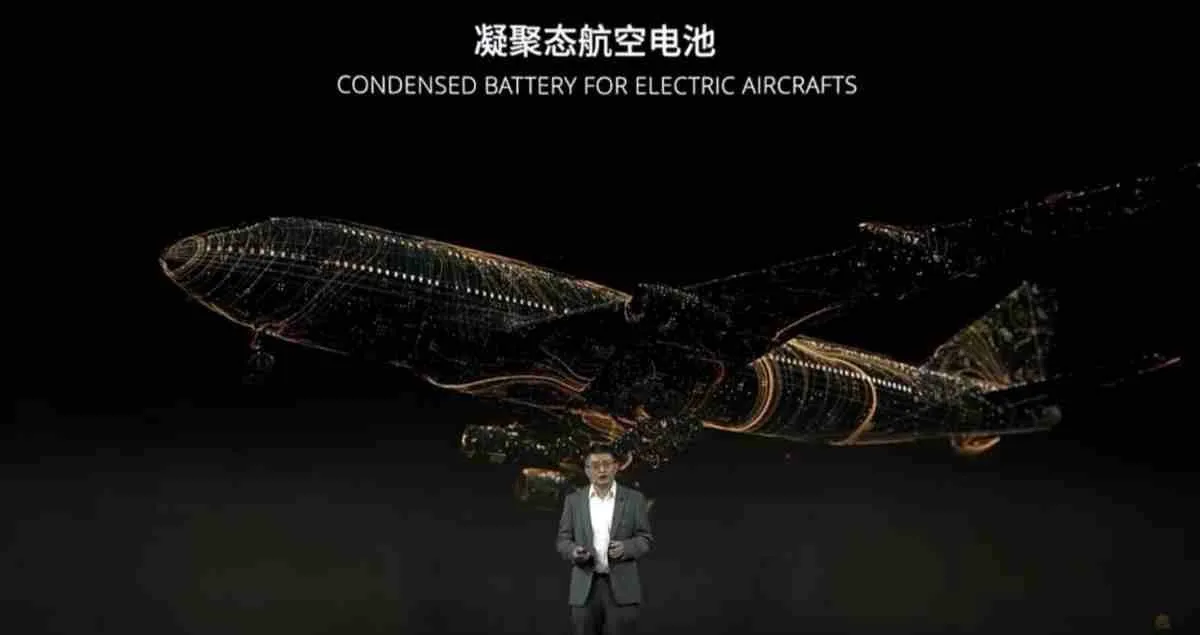
Purchasing a ticket, going through security checks, and boarding an airplane powered by batteries. The scene still seems strange, but in the Netherlands, researchers and companies are working to make it commonplace. The discussion is shifting from whether it’s possible to which routes can be covered and how long we’ll have to wait. And here comes an element that those of us following electric cars are quite familiar with.
Maarten Steinbuch, a professor of Mechanical Engineering at Eindhoven University of Technology, believes electric passenger flights could start gaining traction in Europe over the next decade. But his forecast has important nuances: small aircraft for specific services would arrive first, while planes capable of carrying dozens of people will require more time.
In an interview with Euronews, the researcher says Europe should get more involved in driving this change. In his view, current policies focus on reducing the impact of existing aviation, but pay little attention to developing an electric alternative. Improving the planes we already have can help, though Steinbuch believes it is also necessary to give room to manufacturers with a different approach.
He refers to what has happened with electric cars. The professor argues that setting targets and deadlines has helped manufacturers develop new models, and he suggests applying some of that regulatory pressure to aviation. He also calls for speeding up certification processes while keeping safety a priority, as well as supporting both the infrastructure and the companies designing these aircraft.
Batteries Will Shape the Calendar

Steinbuch places advancements in batteries at the heart of his projections. In particular, he highlights the potential of solid-state electrolyte batteries with energy densities of up to 500 Wh/kg. The challenge lies in storing more energy without significantly increasing weight, a condition that could expand the possibilities of electric propulsion in aviation. He speaks, however, of an anticipated technological evolution rather than a solution already ready for widespread use in commercial aircraft.
Under that condition, the researcher proposes a first phase around 2032, featuring vehicles with about five seats and a range of approximately 500 kilometers, designed for transporting passengers and goods in specialized services. By 2035, models with nine seats, or even twenty seats, capable of covering similar distances might emerge. For aircraft with 80 to 90 seats, the target date shifts to 2040.
Therefore, the idea of booking an electric flight within about ten years does not mean we will have a battery-powered alternative available on any European route by then. The scenario described is much more gradual: small aircraft, specific routes, and an expansion of capacity as the technology matures. This is the researcher’s prediction, not a confirmed schedule for commercial services.
One of the projects aiming to scale up this technology is that of Elysian Aircraft. The Dutch company is developing the E9X, an aircraft designed around electric propulsion with batteries integrated into the wings. In the report, its co-founder Daniel Jacobson describes a configuration with six engines and foldable wing tips—a solution intended to combine a large wingspan with the use of existing airport facilities.

It’s worth refining the figures here. While the interview mentions a target of 90 passengers and an initial range of 800 kilometers, the manufacturer’s current information indicates a design capacity of 88 to 100 seats and a range of around 750 kilometers, with the goal of reaching 1,000 kilometers as battery technology improves. These are development targets; we’re not yet at the performance level of a certified, operational commercial aircraft.
Elysian estimates that an aircraft with these features could cover nearly half of the world’s regular flights and help reduce aviation’s CO₂ emissions by about 20%. These are calculations by the company and its partners regarding the potential to replace certain routes, not results from an actual operating fleet. Moreover, eliminating emissions during electric flight does not mean eliminating the entire environmental impact of manufacturing the aircraft, producing its batteries, and generating the electricity it consumes.
The proposal deserves attention precisely because it focuses on short routes, where these designs aim to find their place. The next step will be to prove that they can transport passengers with the range, safety, and reliability required by an airline. The projects are progressing, but between a promising design and tickets on sale, there are still tests, certifications, and infrastructure needed. Steinbuch believes Europe should start preparing for this now.