
How long does an electric car’s battery last: what real-world data shows
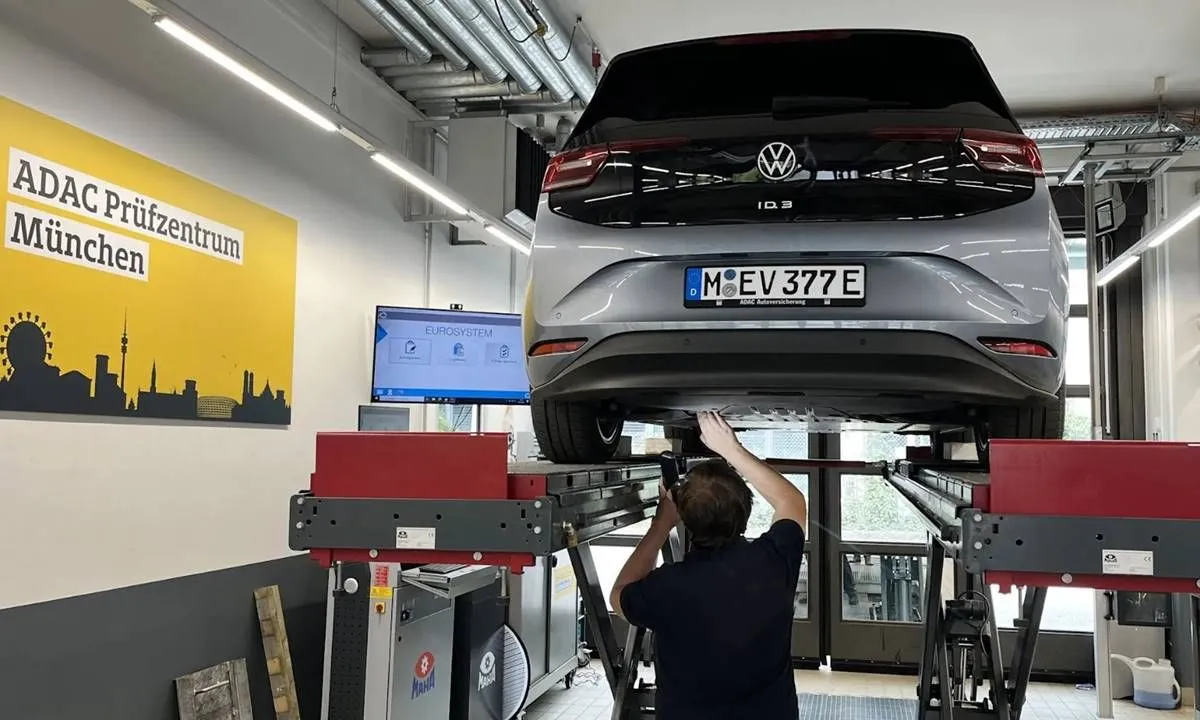
The question arises sooner or later for anyone considering buying an electric car: how long will the battery last, and what happens when it needs to be replaced? It’s a understandable concern, as we’re talking about one of the most expensive components in a car. The issue starts when we assume that replacement will inevitably occur after five, eight, or ten years, as if it’s part of a fixed maintenance schedule.
Batteries don’t have a universal expiration date for all electric cars. Their lifespan depends on the design, usage conditions, and how much they’ve aged. It also depends on something more everyday: the range you need to ensure the car remains useful. Losing some of its capacity can be troublesome for those who travel frequently, but it has less impact on those who only make short trips.
The company itself projects an 81.6% retention of the original capacity after eight years. It’s important to note the word “projects”: it does not mean that they have monitored all cars in the sample over that time. Nor does it allow one to draw a line on paper and mark the exact year when a battery will stop working.
To understand what capacity loss means, we can do a simple calculation. A car with 60 kWh of usable capacity that retains 90% would have around 54 kWh left. If its energy consumption remains at 15 kWh per 100 km, its theoretical range would drop from 400 km to 360 km. This is an example calculated under the same conditions, but it helps put the wear and tear into perspective: there is still plenty of car left to use.
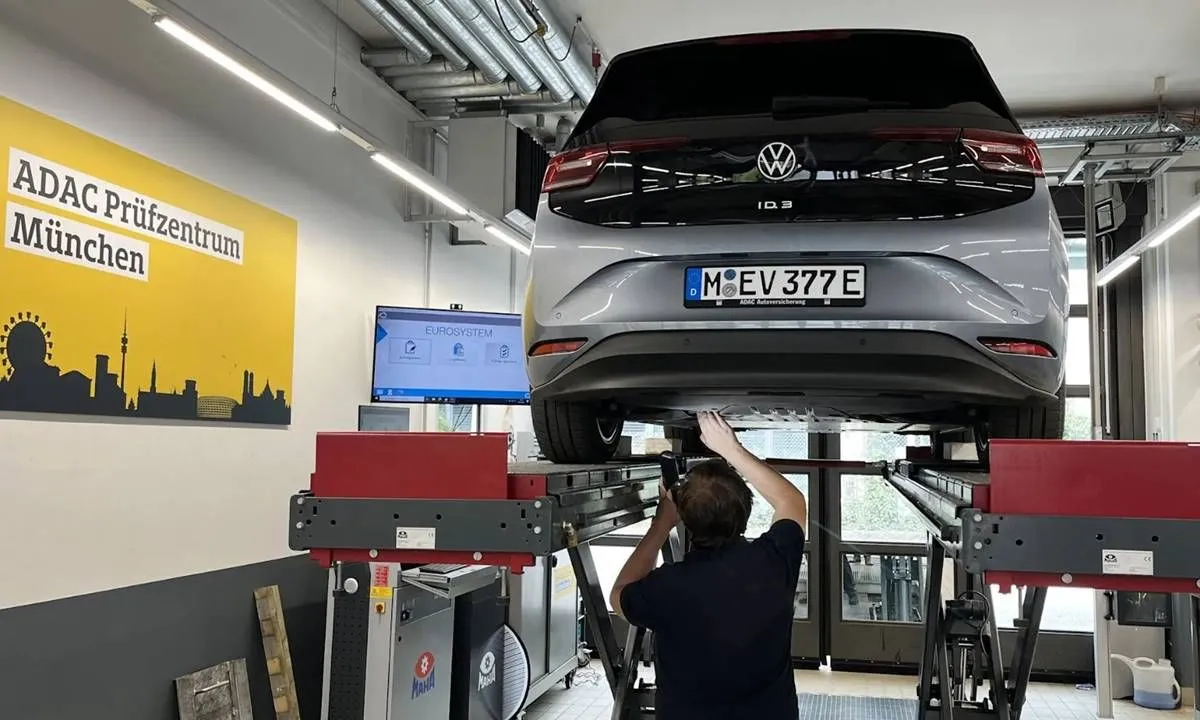
We also have field tests that help move beyond estimates. Germany’s ADAC has been using a Volkswagen ID.3 Pro S with a 77 kWh battery since 2021. In its July 2026 update, after covering over 220,000 kilometers in five years, the measured health status of the battery was 89%. The organization notes a tolerance of ±3 percentage points for the testing method used.
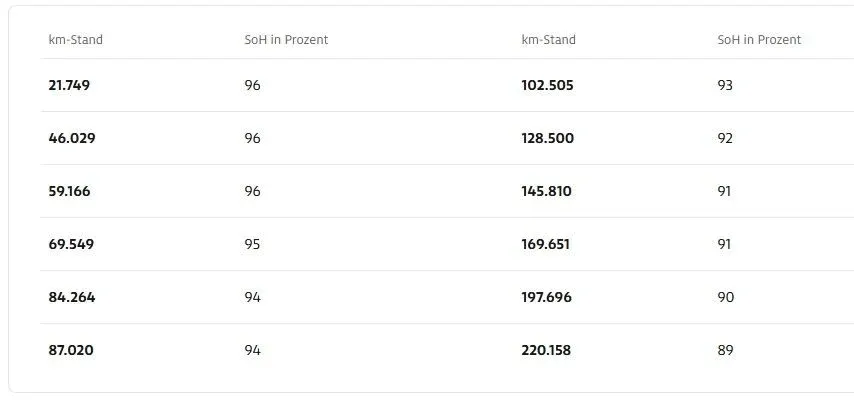
The usage also hadn’t been particularly careful. The car was sometimes charged to 100% to keep it ready for the next driver, and occasionally it remained parked that way. This is a favorable result for a specific unit, not a guarantee for all ID.3 models. Additionally, accumulating many kilometers in five years does not reflect the aging process of a car that takes fifteen years to cover the same distance.
The way batteries are tested is also changing. A study by the SLAC-Stanford center, published in Nature Energy in December 2024, found that usage patterns more similar to everyday driving could extend battery life compared to conventional tests involving constant discharge. Accelerations, energy recovery, and stops create conditions that a repetitive test cannot replicate equally.
That doesn’t mean we can automatically add 40% more lifespan to any battery, nor does it mean we already know how long all current models will last. The study provides a reason to improve laboratory predictions. To determine the full lifespan of a car generation, something is still needed that no simulation can fully replace: time itself.
The battery warranty doesn’t indicate when it needs to be replaced
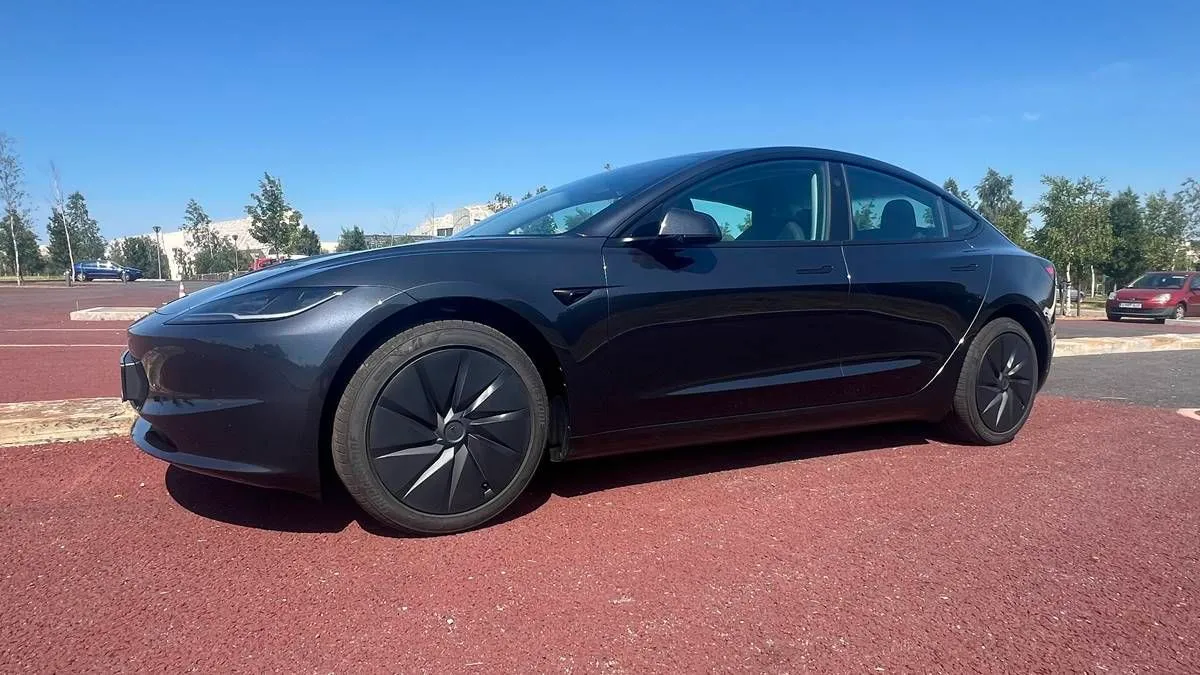
Another common misconception is interpreting the eight-year warranty as the expected lifespan of the battery. It’s simple to understand the difference by looking at how coverage works. For example, Tesla specifies an eight-year or 160,000 km warranty for the Model 3 RWD and Model Y RWD, whichever comes first, with a minimum 70% capacity retention during that period.
This percentage is a condition of the warranty, not an order to replace the battery when that threshold is reached. It also doesn’t mean the manufacturer expects all units to maintain exactly that level of capacity. Once the deadline or mileage is exceeded, the financial coverage for certain issues changes; the car can still operate with the battery it had on delivery day.
In addition, degradation and failure are not the same thing. Degradation refers to the loss of capacity to store energy. Failure requires identifying a specific defect, and it cannot be diagnosed simply by looking at the mileage displayed on the screen. Similarly, maintaining a high capacity does not guarantee a certificate that no components will fail in the future.
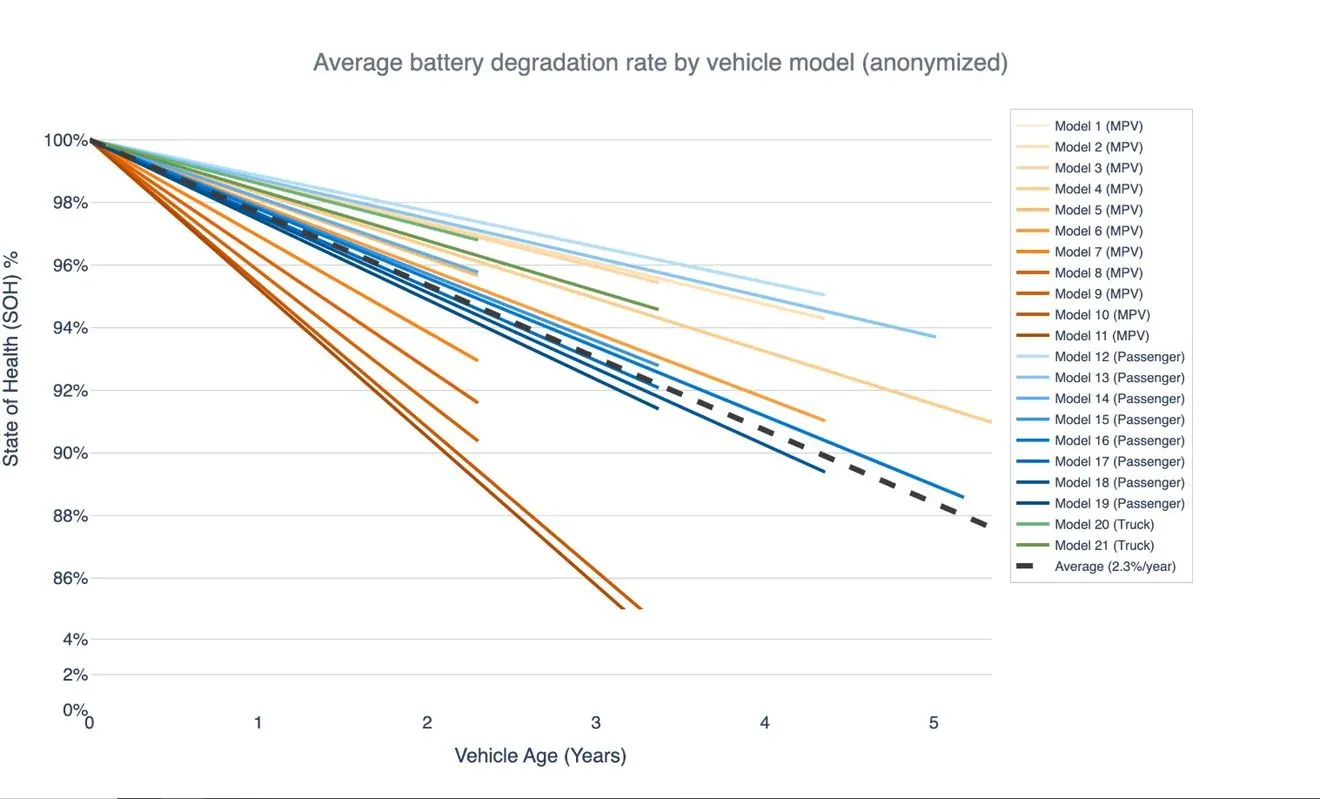
The key factor for assessing wear is the battery’s health status, known as SoH. It should not be confused with the charge percentage: an aged battery may show 100% after being plugged in, even though it stores less energy than when it was new. When buying a used car, it’s important to understand how the measurement was taken and what its limitations are, as well as reviewing its history.
Regarding usage habits, Geotab has found a link between frequent use of high-power fast charging and greater degradation. This suggests taking advantage of home charging when it fits into one’s routine, without letting every stop on the road become a source of concern. The results are averages for groups with different usage patterns, not individual predictions.
To determine charging limits or how long to leave the car idle, the specific version’s manual must be consulted. Recommendations may vary depending on the battery and its electronic management system. For example, Tesla states in its documentation that around 50% charge is sufficient for extended periods of disuse, with the car should be plugged in if possible. This instruction should not be applied automatically to any other model.
So, for how many years will it remain functional? Data suggests that replacing the battery at five or eight years is not a universal requirement, but no fixed lifespan can be established. When evaluating a purchase, it is more useful to check the available capacity, coverage, and range you need rather than focusing on a specific round number. The car’s eighth birthday is not an obligatory time to replace the battery pack.