
Volkswagen crisis puts electric Golf on hold
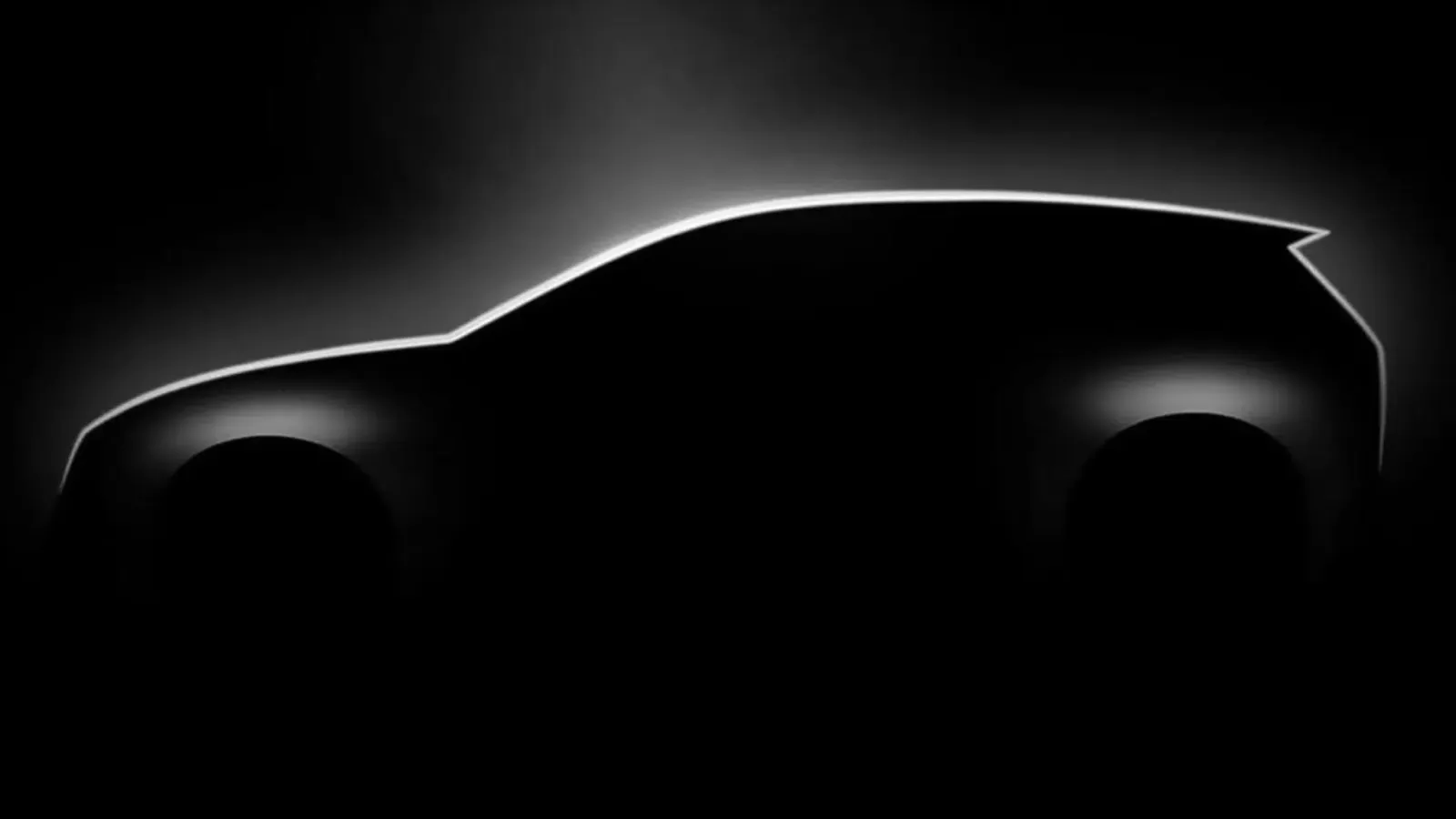
Volkswagen wants to control costs and secure the necessary investment to develop the electric Golf. Until then, it has suspended the project.
The long-announced yet delayed project for Volkswagen’s future electric Golf will have to wait. The brand has temporarily halted the development of the ID. Golf at a time when financial difficulties are forcing the group to review its investments and be more selective about where to spend money.
The decision was revealed during the presentation of the financial results for the first nine months of the year. David Powels, the finance chief for Volkswagen and the Brand Group Core — which includes Volkswagen, Skoda, SEAT, and CUPRA — confirmed that the development of the new model is on hold until the necessary investment can be secured.
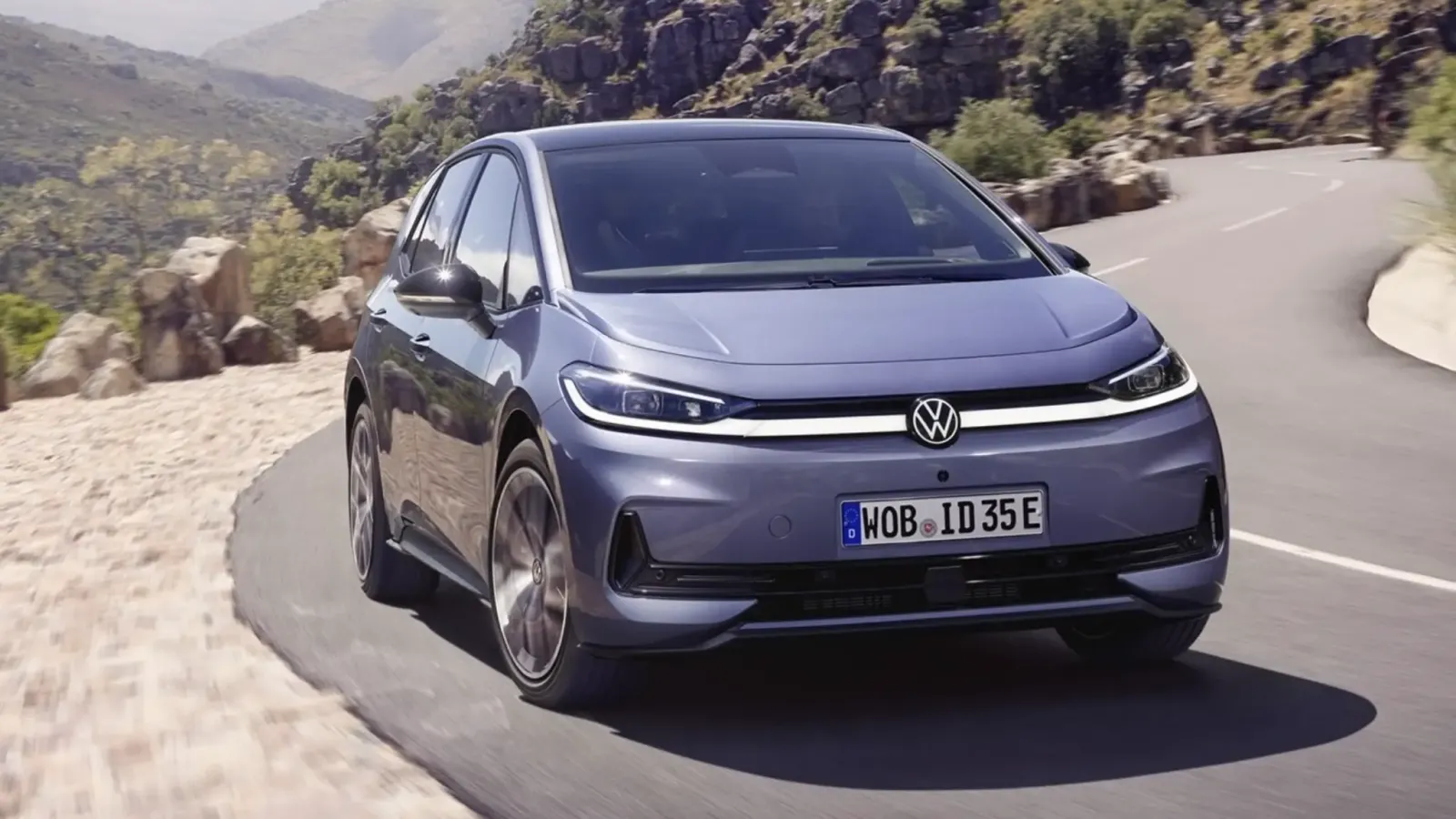
Not canceled, but no timeline yet
Volkswagen emphasizes that the ID. Golf has not been canceled. The suspension is temporary, and development could resume when financial conditions permit. For now, however, there is no date set for its return, nor any indication regarding the impact on the launch schedule.
It should be noted that this model has already faced delays. The ID. Golf is supposed to use the future SSP (Scalable Systems Platform), but its development has been hindered by software issues and rising costs.
In addition, Thomas Schäfer, the automaker’s CEO, had already admitted that there was no need to launch an electric Golf in 2028, suggesting 2030 as a more realistic possibility. The decision announced now adds further uncertainty to this timeline.
Discover your next car:
The current Golf may continue
Until the ID. Golf arrives, it will be the gasoline, hybrid, and plug-in hybrid versions that ensure the model’s continuity. The current generation might even get a few more years of production.
Volkswagen is preparing a new update for 2027, the year when production is set to move from Wolfsburg, Germany, to Puebla, Mexico.
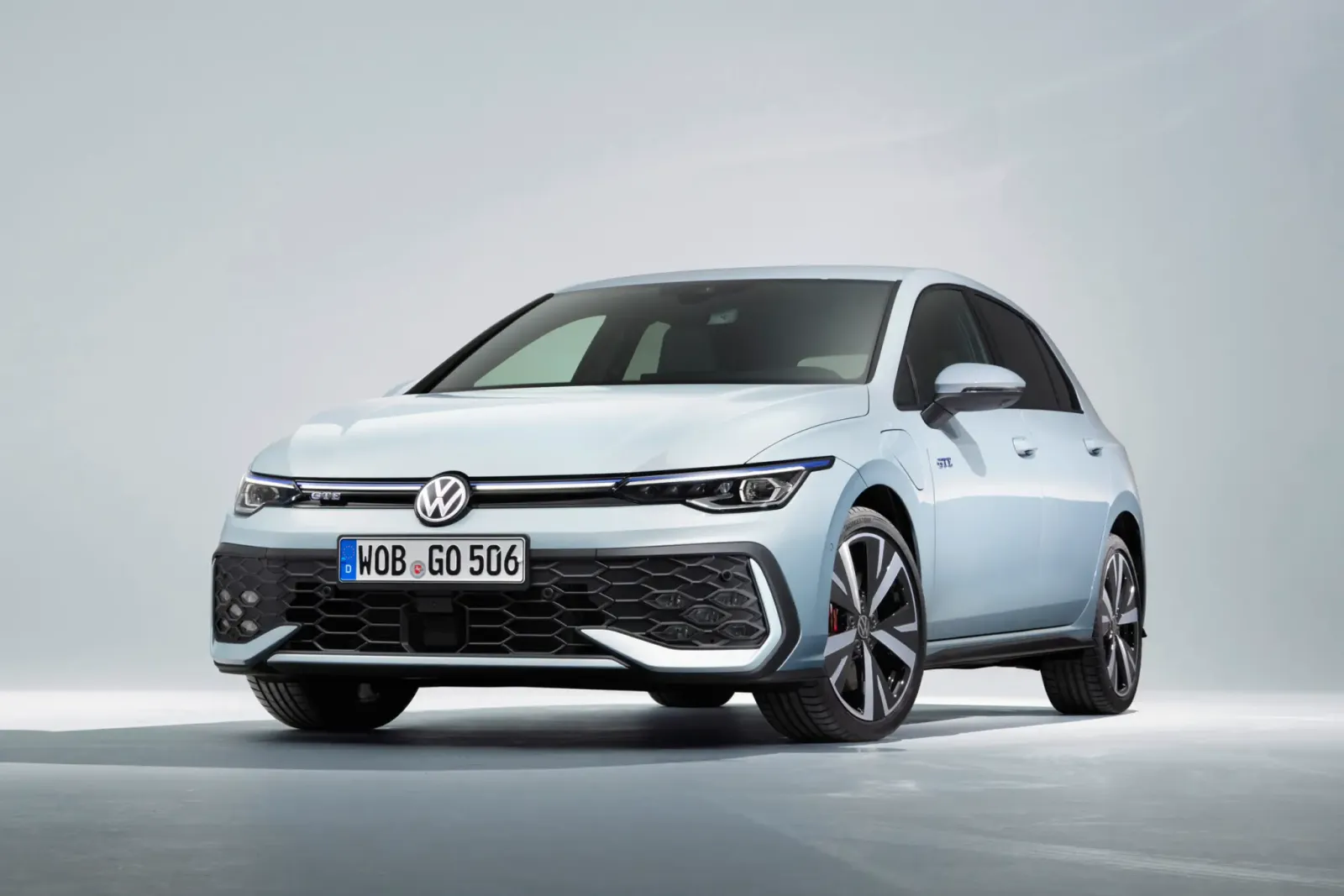
The change is part of an industrial reorganization aimed at reducing costs. The Mexican plant will produce both the Golf and the Golf Variant. This decision may also extend the commercial lifespan of related models such as the Skoda Octavia and the CUPRA Leon, which share much of their technical foundation with the German compact car.