
Euro NCAP crash test: Chinese electric cars perform well. The Geely E2 immediately earns five stars
Chinese electric vehicles continue to achieve impressive results in Euro NCAP crash tests. The Geely E2, Aion UT, and Leapmotor B05 all earned five stars under the new, stricter protocol introduced this year. This outcome underscores the growing emphasis Chinese automakers are placing on safety.
Geely E2: Five stars right away
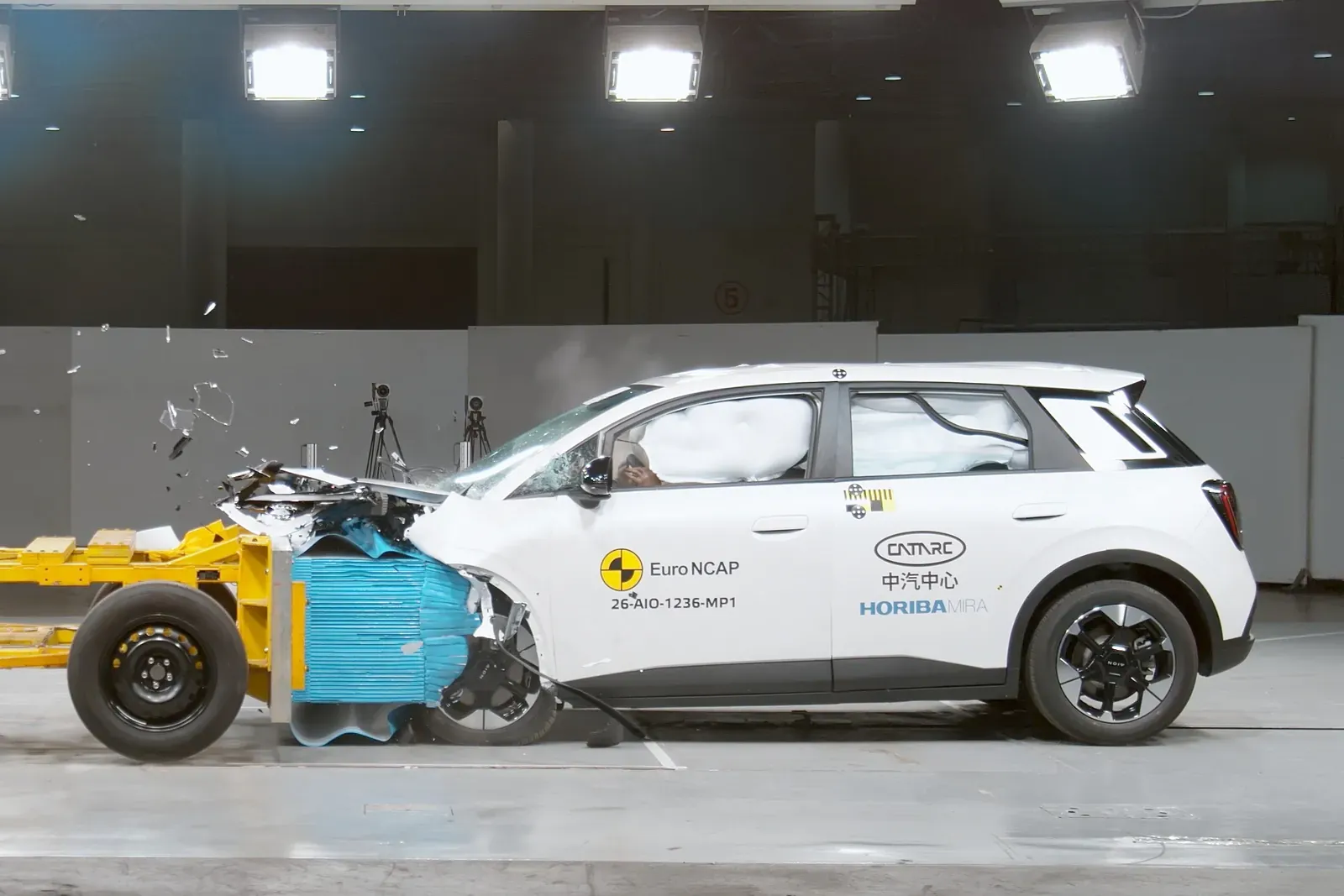
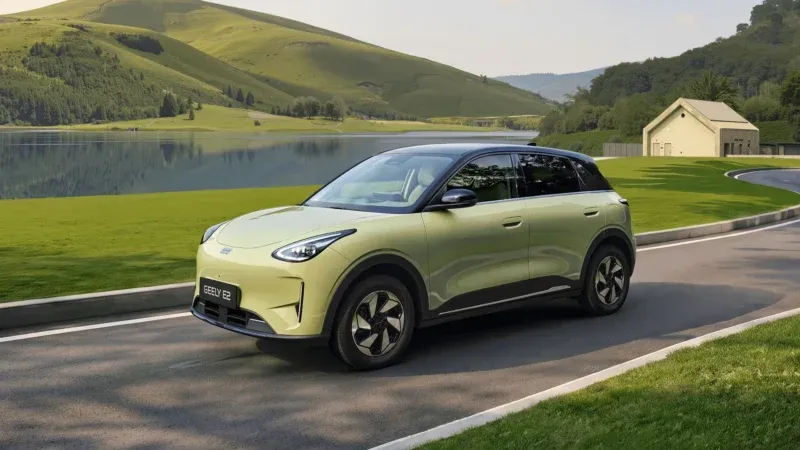
The most notable vehicle in this latest round of tests is the newest addition, the electric city car Geely E2. It received five Euro NCAP stars, with balanced scores across various assessment categories.
In detail, the E2 achieved 86% in protecting occupants during impacts, the same score as the BMW iX3 in tests conducted using the new protocol. In some aspects, this Chinese compact vehicle even outperformed the more renowned German SUV, particularly in terms of protection against frontal impacts and vulnerable road users.
Even in the Safe Driving category, the Geely E2 scored 79%, compared to 73% for the BMW iX3.
The overall score does not mean that all safety systems performed at the same level. Euro NCAP noted less convincing performance in certain driver assistance functions, including pedestrian detection during maneuvers and cyclist detection when the door is opened.
The E2 still achieved 72% in ADAS, enough for five stars.
Aion UT and Leapmotor B05 receive top ratings
Two other new models, Aion UT and Leapmotor B05, also immediately earned five stars.
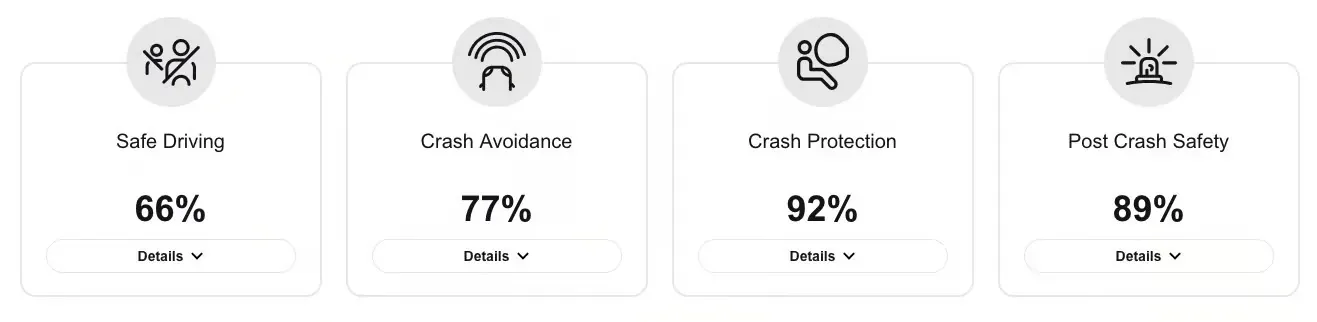
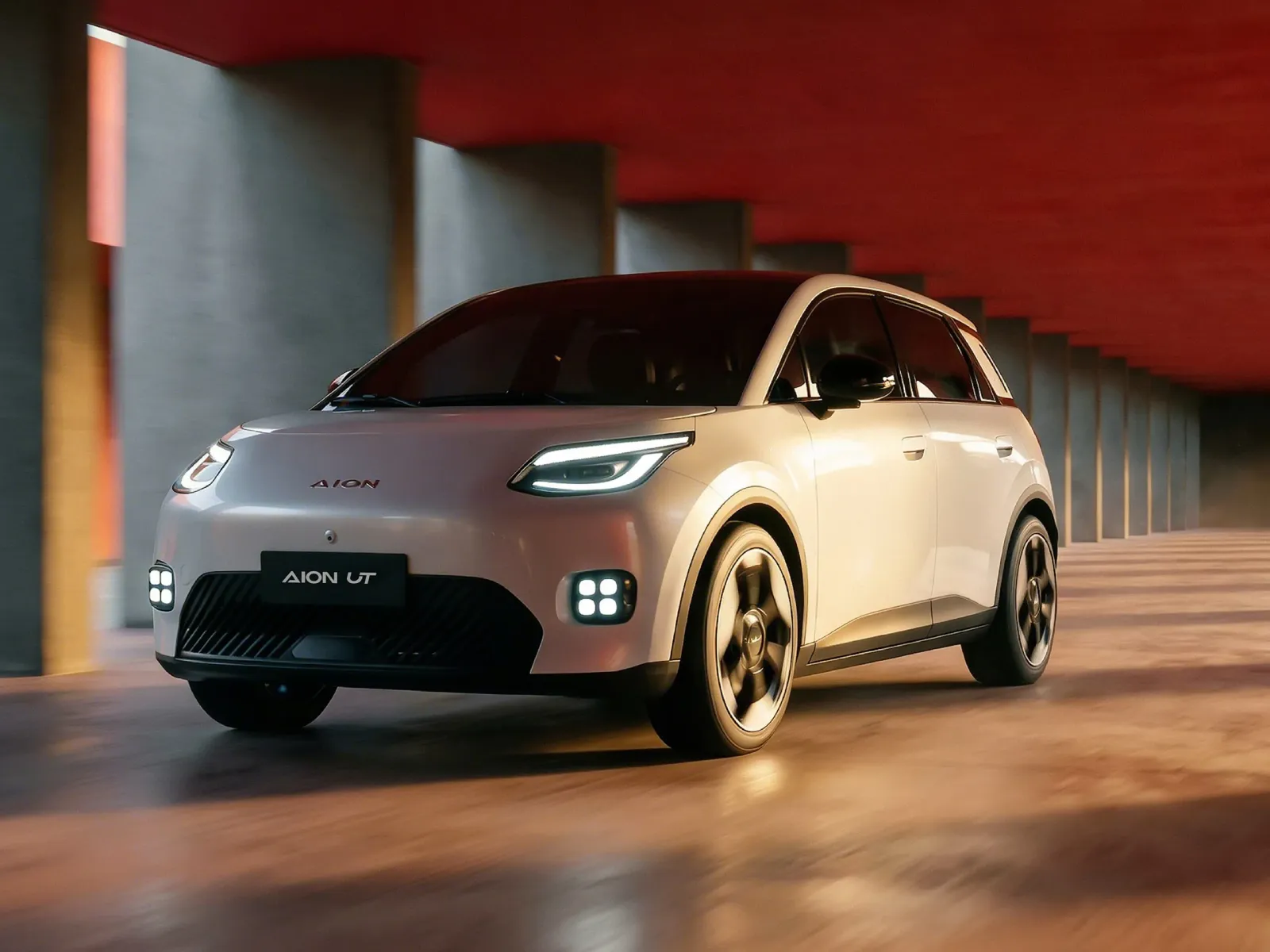
The Aion UT, set to make its European debut, scored 91% in impact protection and 88% in post-crash safety. However, its score for safe driving was lower at 66%, partly due to choices related to the dashboard interface and the presence of numerous functions controlled via the screen.
Among the standout features noted by Euro NCAP is the occupant position identification system, which can detect potentially dangerous situations as well.
The Leapmotor B05 achieved 92% in crash protection, 89% in post-crash safety, and 77% in driving assistance systems. Its performance was particularly strong in side impacts, where it scored 100%.
Stricter protocol changes car comparisons
A key factor in interpreting these results is the new Euro NCAP protocol that came into effect this year. The evaluation criteria have been updated and made stricter, so the five stars earned by the models just tested cannot be directly compared to those awarded to vehicles tested in previous years.
This is a detail by no means trivial, especially when comparing Chinese and European models. The star rating indicates the level achieved under the protocol used for that specific test campaign, but it alone does not allow for an absolute ranking of safety across different generations.
The role of safety packages, illustrated by the Cupra Raval
The Cupra Raval represents the most distinctive case in this round of tests. It received four stars in its standard configuration, but can achieve five stars with an optional package. The improvement is largely due to the inclusion of advanced driver assistance systems.
With the Safety Pack, which includes adaptive cruise control and active lane keeping, the Raval meets the requirements for a five-star rating. It serves as a clear example of how Euro NCAP evaluations now depend not only on the vehicle’s structural strength but also on the presence and performance of electronic safety systems.
READ ALSO: Digital & Batteries: What happens if something goes wrong in “software defined vehicles”… and watch the VIDEO
Previous Article
38% Electric in France, with Diesel at 2%