
Cost of public charging review: Could charging get cheaper for more drivers?
News
‘Porting’ plan could bring domestic rates to public devices but industry slams ‘damaging’ proposals and lack of action on VAT
MA
Matt Allan
29 October 2026, 10:29 GMT · 4 min read
The Government has just released the conclusions of its cost of public charging review, which aims to bring down running costs for all EV owners.
The review was launched earlier this year to look into the widening price gap between charging at home and charging at public devices and recommend ways to address it.
Central to the review’s recommendations is a plan to allow drivers to access their domestic energy tariff at public charging devices via “porting”, as well as a suggestion of time-limited subsidies for some users of on-street chargers.
Porting domestic rates to public chargers
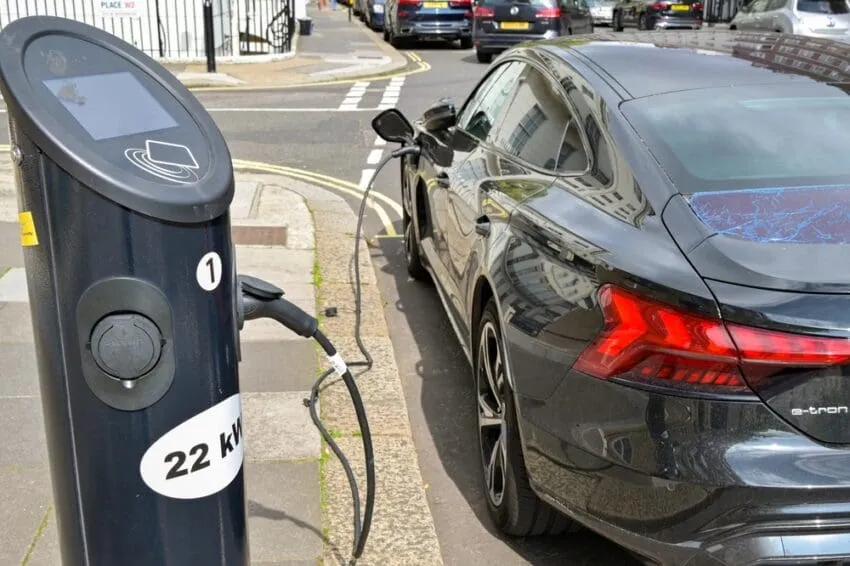
The review says that “porting” would help close the running cost gap for drivers who have no access to off-street private charging. It would see drivers billed through their domestic energy supplier rather than a chargepoint operator (CPO) for using low-powered “standard” kerbside devices. Doing so would require an annual “access charge”, estimated to be up to £200, and the method would likely be limited to devices near the driver’s home.
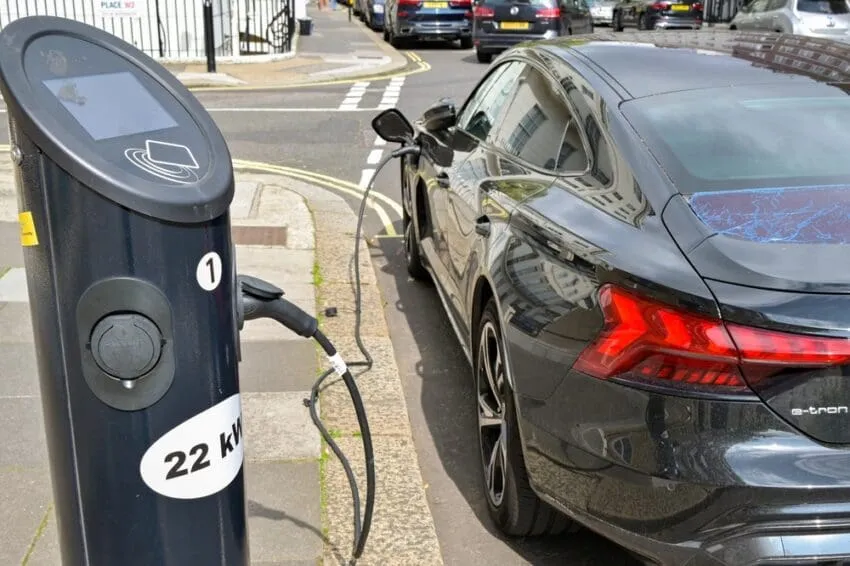
However, it is thought it could bring on-street charging to a similar price point as at-home charging when the cost of installing a home charger is factored in. The average cost of “standard” charging is currently 54p/kWh, according to Zapmap, while the Ofgem price cap for domestic energy is 26p/kWh.
The review also argues it could help balance energy demands throughout the day, and open up vehicle-to-grid opportunities.
The report acknowledges that there are technical and administrative challenges in implementing its porting plan that will take time to solve so has also suggested “time-limited” price cuts for sub-50kW chargers in residential areas.
This would see the government pay CPOs a subsidy to allow them to bring charging rates at lower-powered on-street chargers in line with domestic prices.
It would build on the £100 million announced in the Budget to help cut prices at residential kerbside devices over the next two years.
Soaring CPO costs
Along with immediately addressing what it calls the “equality gap” between home and public charging, the review calls for structural changes to cut operating costs and improve use of public charges.
It notes that public operators have faced soaring costs across the last five years, which have been passed on to drivers. Since 2021, the UK has seen average charging prices for lower powered AC charging rise by 69% and higher-powered DC charging by 94% in real terms.
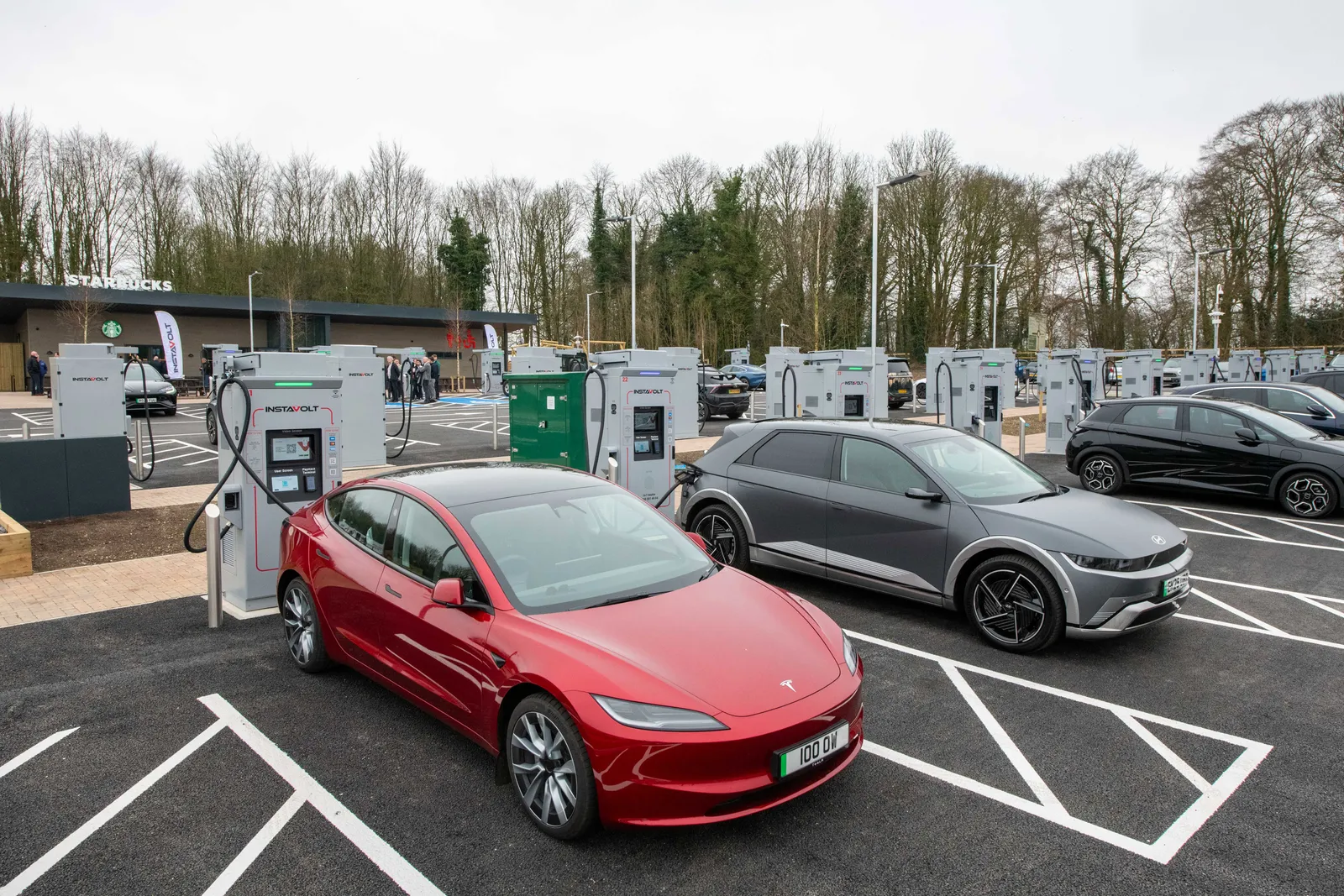
As well as rising wholesale energy costs and inflation-linked parts and labour costs, the review identifies standing charges as among the biggest financial hits faced by CPOs. It says these have risen between 83% and 283% in the past five years, following a change from consumption-based charges to fixed rates based on the number or capacity of devices.
The review says that “urgent” action by the Government and energy regulator Ofgem is needed to address the tension between this approach and the Government’s desire to encourage greener motoring.
Alongside direct cost-saving measures, the review calls for better rules around signage for charging locations and more transparency on price, using the Government’s Fuel Finder comparison service as a template.
‘Too little and too slow’
While the review makes several long-term recommendations, it ignores the consistent calls from the charging industry to cut VAT on public charging from 20% to 5% to bring it in line with standard domestic rates.
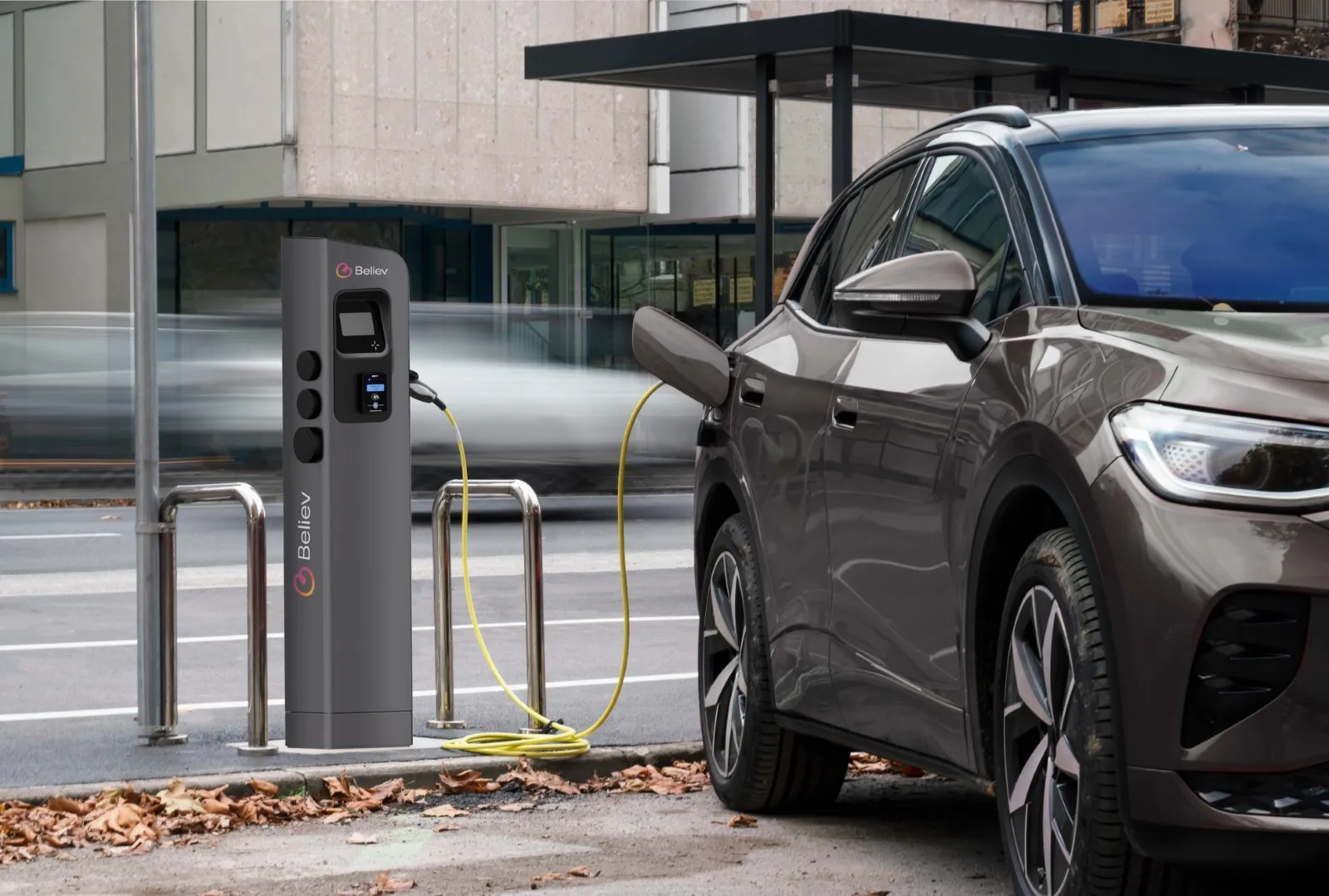
ChargeUK, which represents the charging industry, slammed the review. Its chief executive, Shane Brennan, said the report amounted to warm “words and an open-ended taskforce not meaningful action”.
He said: “The announcements on the cost of EV charging will do serious damage to the EV transition.
“Instead of listening to the call of EV drivers for fairness on VAT the Government has slammed the door shut on ending a rank unfairness between at home and out of home charging. An unfairness that even the courts ruled to be illegal earlier this year.
“Meanwhile its cost of public charging review recommendations do not meet the moment – too little, too complex and too slow to make a meaningful difference.
“The industry asked for simple measures to address the foundational cost issues for public charging – VAT, soaring operator standing charges, and renewable fuel credits. The review recommends action on the latter point but overall amounts to warm words and an open ended taskforce not meaningful action.”