
What we saw at the Genoa Show
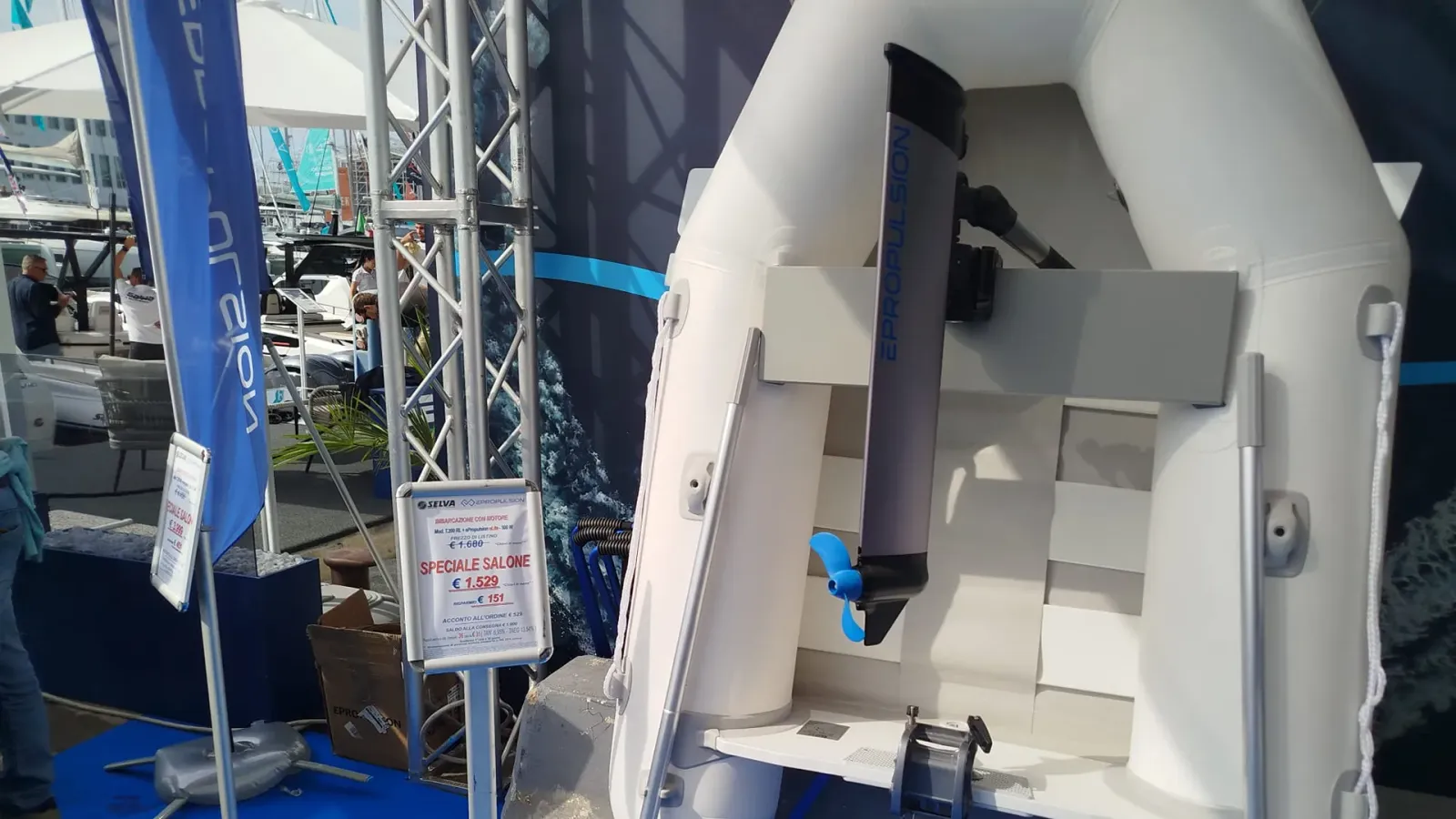
The Genoa Boat Show still lacks a dedicated section solely for electric propulsion. Zero-emission technologies are spread across the booths of traditional shipbuilders, engine manufacturers, and innovation pioneers. Yet, at this edition, it is possible to board and test boats powered by electric motors. We highlight Yamaha, which allows many who are unfamiliar with zero-emission sailing to experience it for the first time through small boats equipped with Torqeedo electric motors.
Aboard the Selva boat with ePropulsion outboard engine
We tested the boat presented by Selva, a 5.40-meter vessel equipped with an ePropulsion electric propulsion system of 12 kW, powered by a battery of about 10 kWh. At the helm was Stefano Castellazzi: “This configuration ensures one hour of sailing at maximum power, with a cruising speed between 6.5 and 7 knots. By reducing the speed slightly, range increases significantly without affecting perceived speed.”
Our guide is optimistic: “This is a prototype that has just been completed, but we are very satisfied with its performance and the public’s response.” At 5 knots, we have 2 hours of continuous sailing, while at 2.5 knots it increases to 4 hours.
Nautica: The Netherlands leads in electric boatyards and battery-powered boats
The dealer confirms there is demand for outboard motors: “We have completed projects on Lake Cedrino in Sardinia, as well as with Romagnola sailors who wanted a fully electric system for their boat.”
AS Labruna’s Blue Power and Mitek’s new offerings
At the Nautical Show, we met Massimo Labruna, founder and manager of AS Labruna, who is presenting the Blue Power kit in Genoa—a plug and play platform available in various sizes: «Ranging from 50 to 400 kW continuously, it allows us to serve a very wide range of boats, including yachts up to 38/40 feet. At the heart of this innovation is the all-in-one design: the controller, heat exchanger, cooling pumps, and even the electric motors are integrated under a single cover, resulting in less space consumption compared to endothermic engines of equal power. Its compatibility with new installations and refits makes the system particularly attractive».
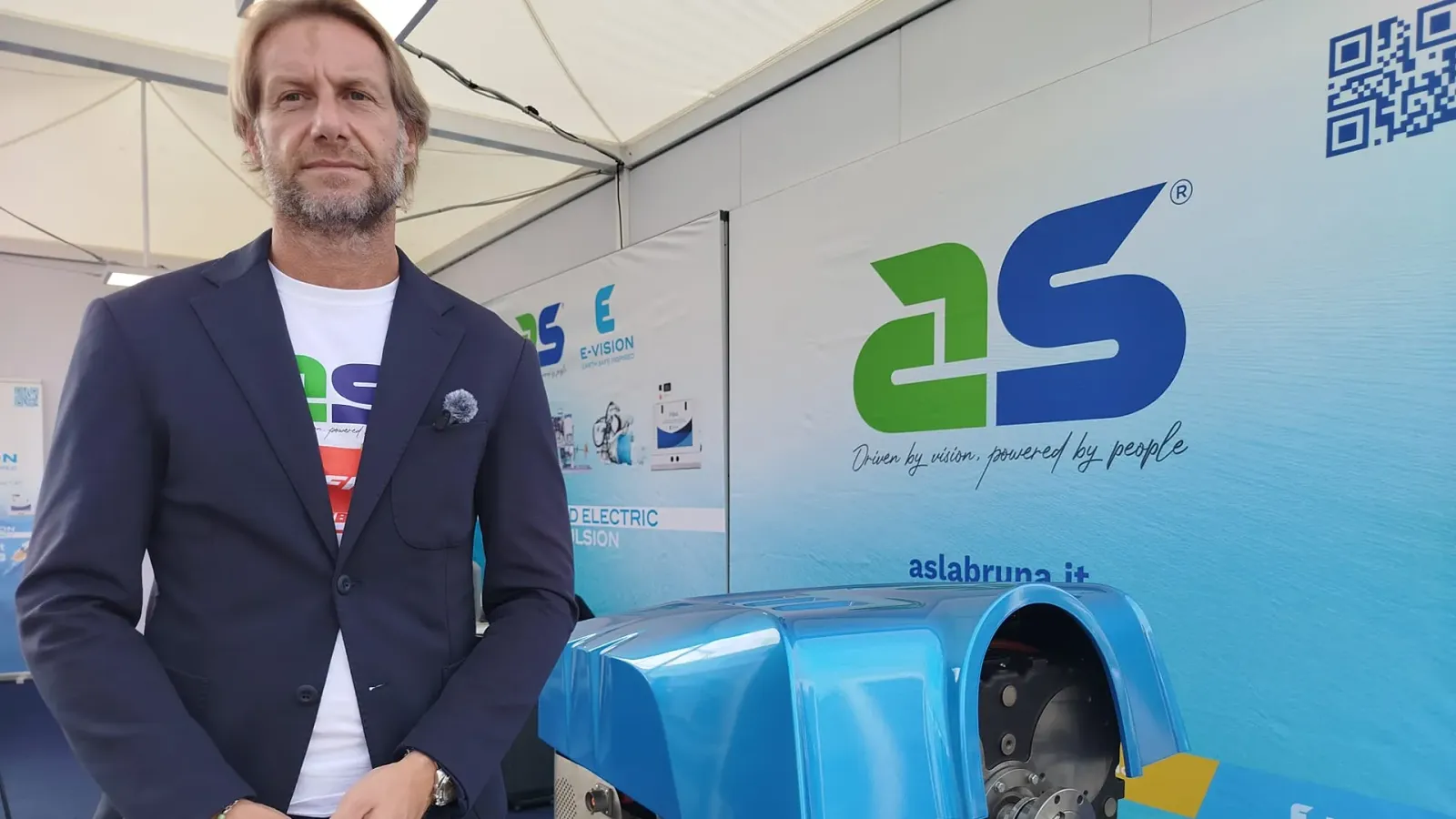
Among the pioneers of Italian electric boating, Alfonso Peduto, founder of Mitek, explores through Vaielettrico the many years of development and innovation. The company continues to develop its Revolver outboard engine, “now available up to 30 horsepower with a 40-horsepower version in development.”
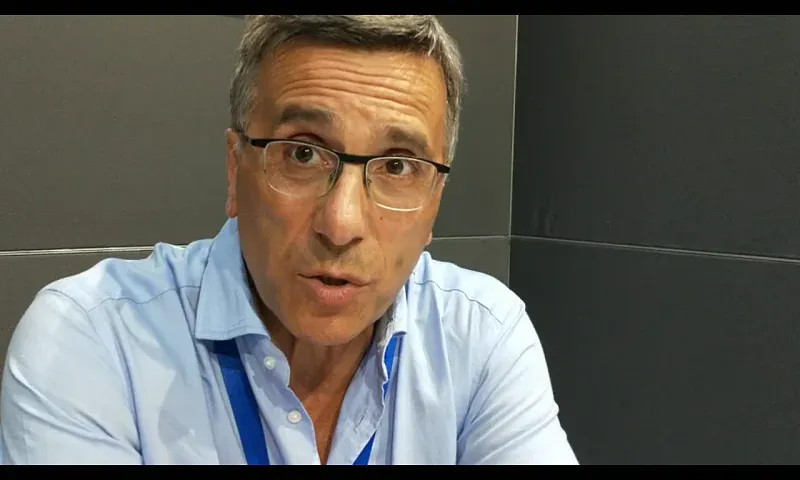
In addition to systems for tenders and hybrid solutions, Peduto introduces technologies dedicated to sailing: “from fixed saildrives to the new Rotating Saildrive, an azimuthal system capable of rotating 360 degrees with functions for regeneration, lateral movement, and propulsion.”
The French company Temo, Velettrica
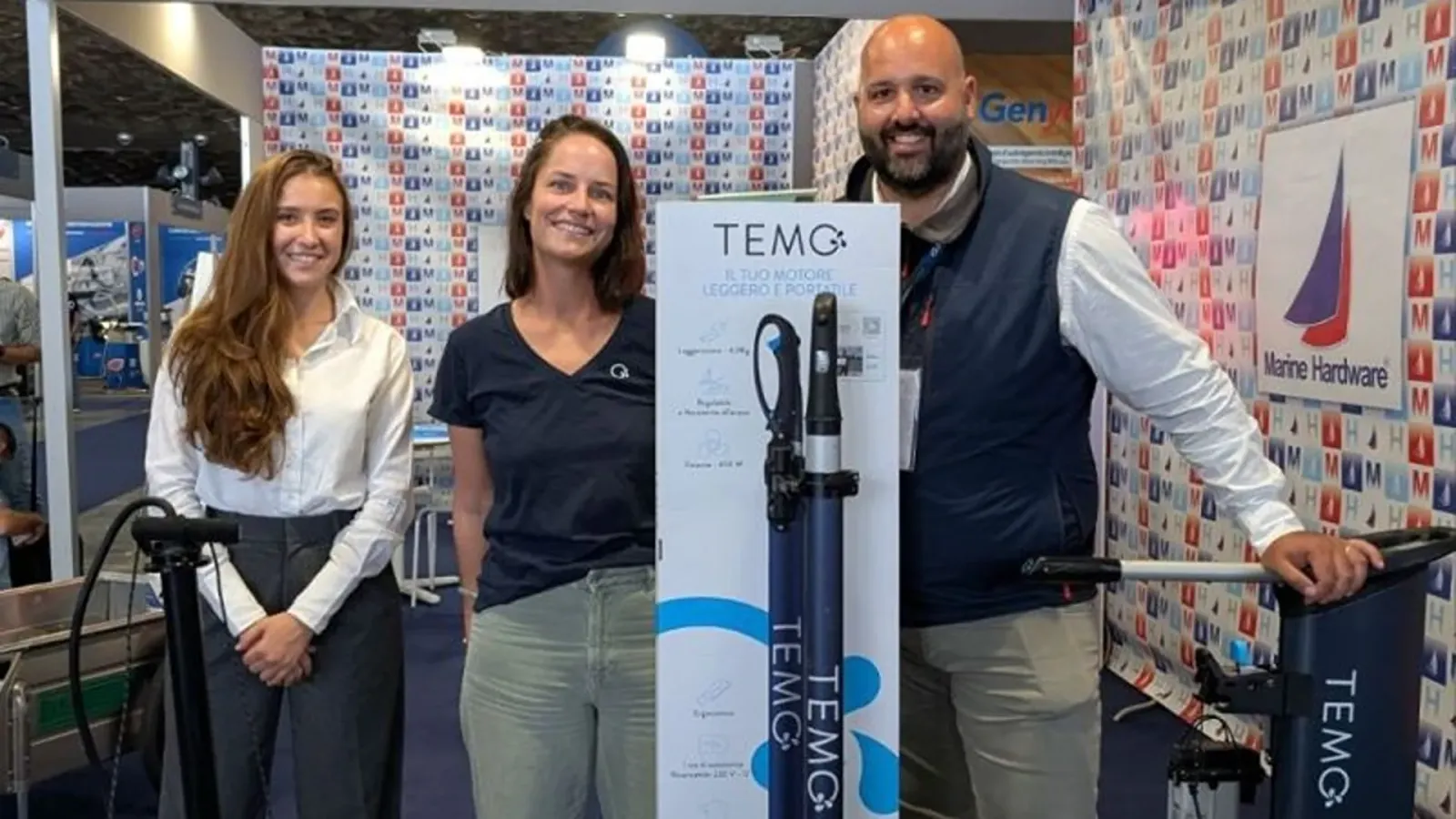
We are well acquainted with the French manufacturers at Temo France, who have moved from initial outboard motors to more traditional ones. We tried it in the Gulf of Poets in Liguria; “now the 1000 model in its latest version comes with a cable that allows keeping the battery on board.” This was explained at the French company’s booth, which is selling well in Liguria.
Sustainability isn’t just about propulsion. Velettrica, founded by Roberto Baffigo, adopts a systematic approach that “starts with the propeller, designed to reduce consumption under all sailing conditions. The propeller is made from recycled nylon sourced from fishing nets recovered at sea or from fishermen’s associations, while the engine eliminates rare earth magnets while maintaining the same efficiency. The entire system is designed to minimize environmental impact, maximize safety, and intelligently manage all onboard energy, not just that used for propulsion.”
In Japan, 81 million for electric ships, low-emission vessels, and port charging stations
The thrusters developed by the Norwegian company Sleipner are also interesting, offering a truly wide range. “They are designed for maneuvering in port, but they are beginning to be used as propulsion systems as well,” says Claudio Zazza, the group’s sales manager.
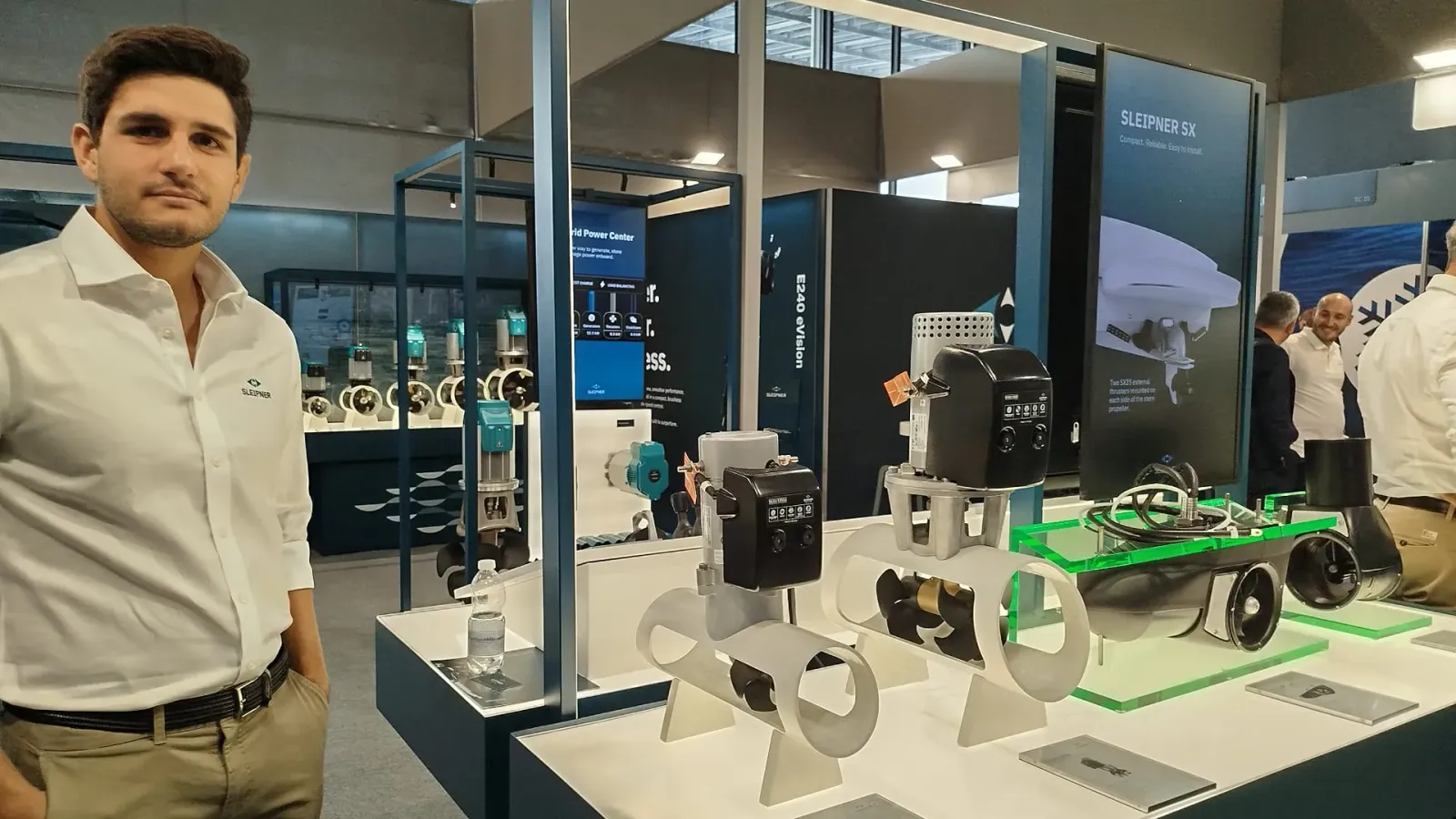
Fabio Flores from Maritime Supply explained to us the Pulsar electric motor, intended as a bow engine for maneuvering. It weighs 14.8 kilograms, has a battery of 29.6 V 30 Ah, and delivers 1 kW of power.
Marinas are installing more charging stations, but for a niche group of yachtsmen
In terms of tourist ports, Roberto Perocchio, president of Assomarinas, tells Vaielettrico that “electric boats are growing, but they remain confined to a niche. Charging infrastructure has improved, but widespread commercial adoption will take time. Marinas are introducing zero-emission service vessels and working with engine manufacturers, while alternative fuels such as green methanol and hydrogen via fuel cells are being tested.”
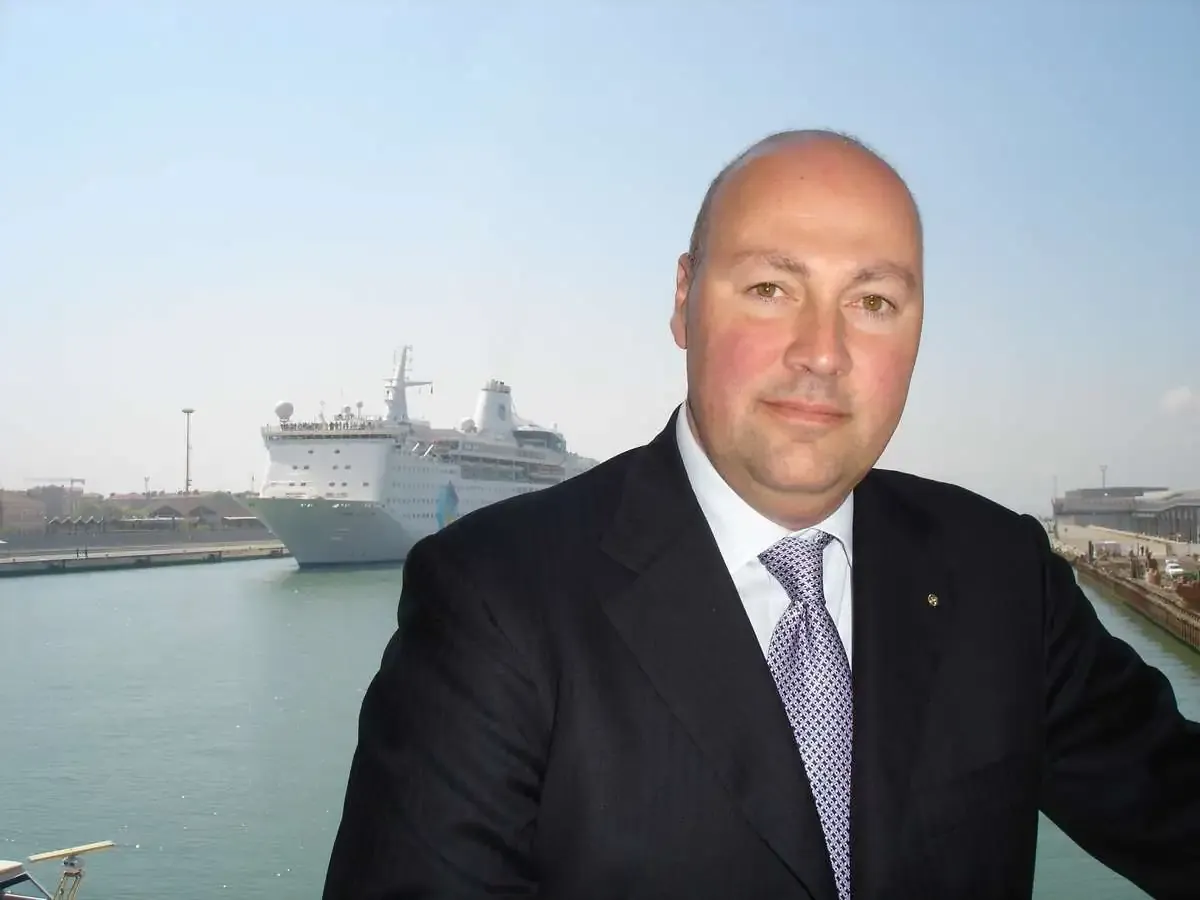
According to Perocchio, “it will take about ten years to complete the technological development and widespread distribution of these new energy sources.”
READ ALSO: There’s still hope for charging station bonuses. Watch the video – Incentive guide
Previous Article
Tractors: Landini ready for electric and autonomous driving
Next Article
How much savings with electric tractors (and how much I used to spend)
