
Continental and Renault are working on new tires for electric vehicles. An additional 6 percent range extension
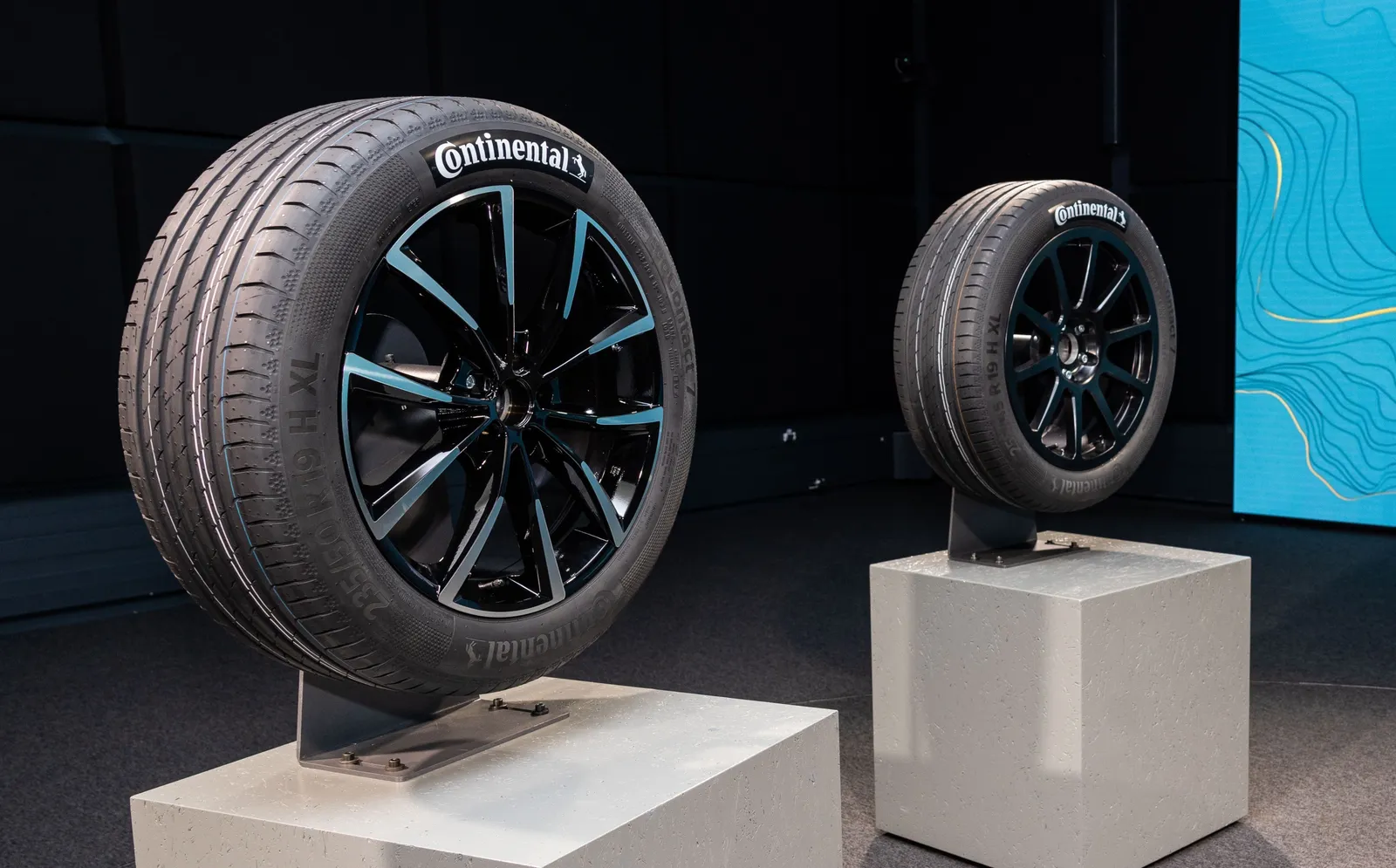
Continental and Renault Group announced a partnership to develop tires specifically for electric vehicles. With a range of 500 WLTP units, these tires can increase that range by up to 30 units, providing an additional 6 percent range without altering other vehicle components. The tires are expected to have even 35 percent lower rolling resistance compared to those required to achieve the highest A rating on European Union labels.
Electric vehicles are a driving force for the automotive industry. If only someone would notice it.
The new Continental tires were developed based on the EcoContact 7 model, adapted to meet the needs of the Renault Group. To increase vehicle range, the rubber compound used in the tread was modified, along with the sidewall and tire structure. The company emphasizes that rolling resistance accounts for 20-30 percent of a vehicle’s energy consumption, so it’s easy to calculate that the claimed 35 percent savings compared to the A rating means rolling resistance from Continental EcoContact 7/Renault tires now accounts for only 13-19.5 percent of the energy used.
Part of the design and testing processes have been virtualized. Continental claims this approach saves up to 10,000 prototype tires per year.
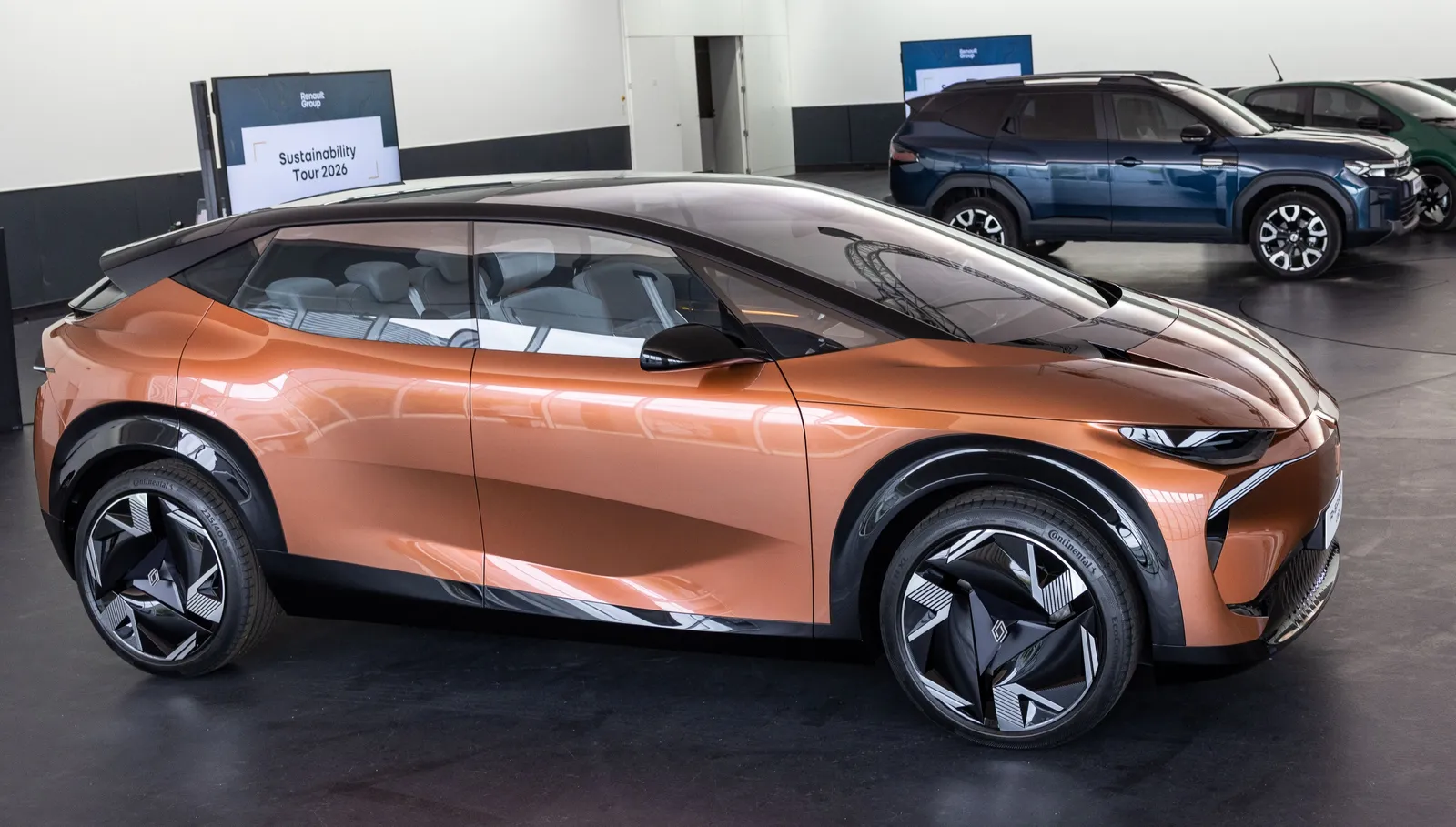
Renault R-Space Lab, prototype car with new tires (c) Renault/Continental, all photos by Wlad Simitch
Continental has not disclosed details about the upgrades, so we can only assume that both the tread and sidewalls have been reinforced to prevent excessive deformation and ensure the tire adheres to the asphalt as designed. The tread pattern shows that the grooves are minimal, with even those on the outer bands arranged alternately (longer/shorter) to help the tire grip the asphalt, while minimizing opportunities for resonance (vibrations) and loss of rolling energy. This approach is similar to semi-slick tires (compare: Bridgestone Potenza Race).
In deep puddles, Continental tires may struggle to drain water quickly enough, but perhaps the most important issue is that such tires don’t always provide a sense of confidence on the road. Low rolling resistance usually results in poor traction during dynamic maneuvers when the wheels are not yet locked (braking, avoiding obstacles). Fortunately, such situations occur rarely, and during steady driving, tires of this type offer low noise levels and improved fuel efficiency.
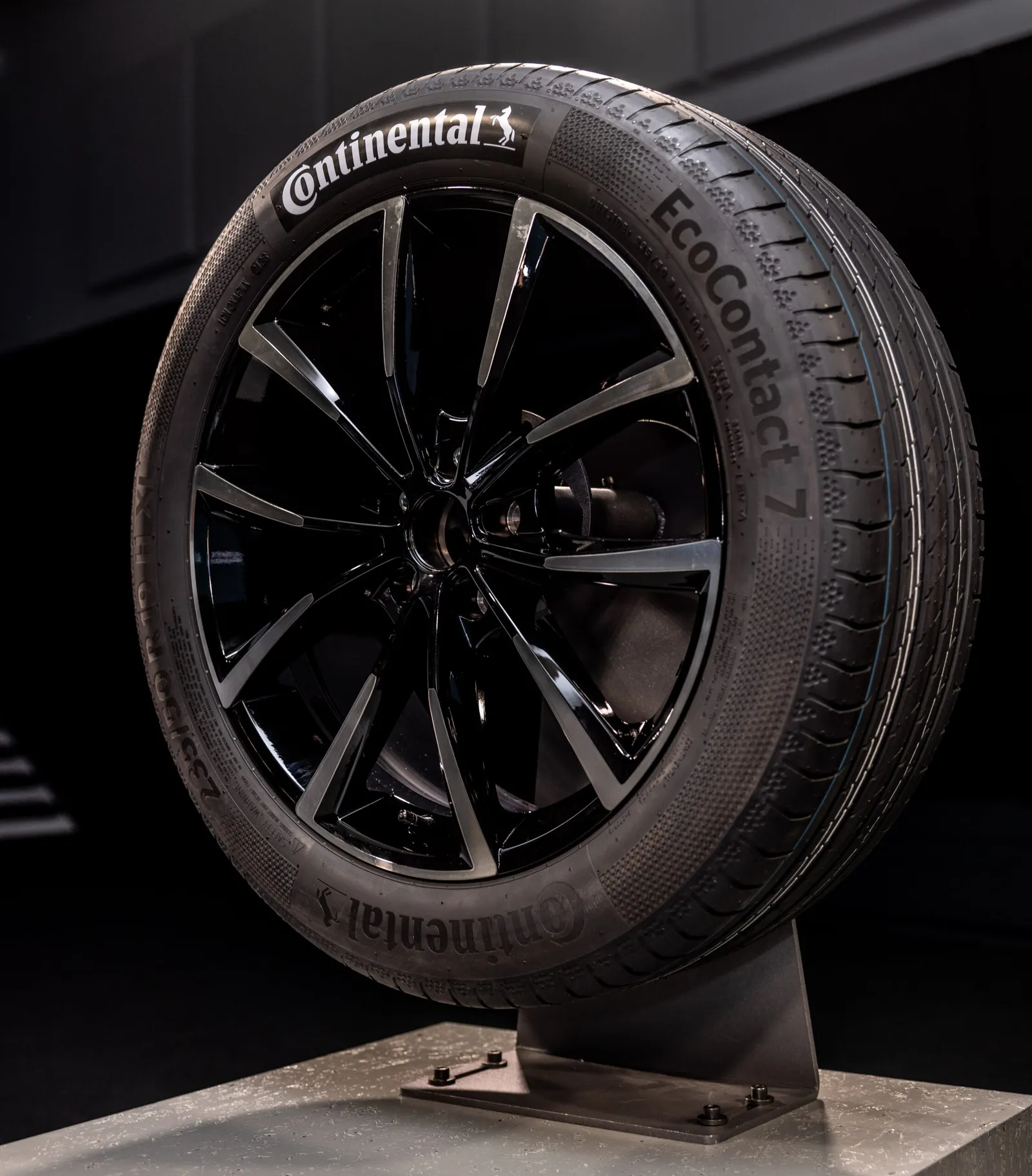
The Continental EcoContact 7 tire for Renault. We’re curious whether the irregularities in the grooves at the boundary between the sidewall and tread have any significance. It’s well known that semicircular grooves on round objects create turbulence that reduces overall air resistance. Thanks to this, a golf ball travels more than twice as far as an identical ball with a flat surface.
Editor’s note from Elektrowozu: We’re pleased that the old trend of optimizing cars has returned thanks to electric vehicles. The first Nissan Leaf had headlights designed to reduce air resistance one meter further away, on the mirrors. China is forcing car manufacturers to use more magnesium (which means lower weight). We look forward to further improvements that will make cars lighter and more aerodynamic.
Article rating
Reader ratings
[Total: 5 votes Average: 5]
Don’t miss new content—CLICK and FOLLOW Elektrowoz.pl on Google News. You might also be interested in the following ads: