
Conservatives, social democrats, and liberals unite in the European Parliament to weaken emission reduction targets
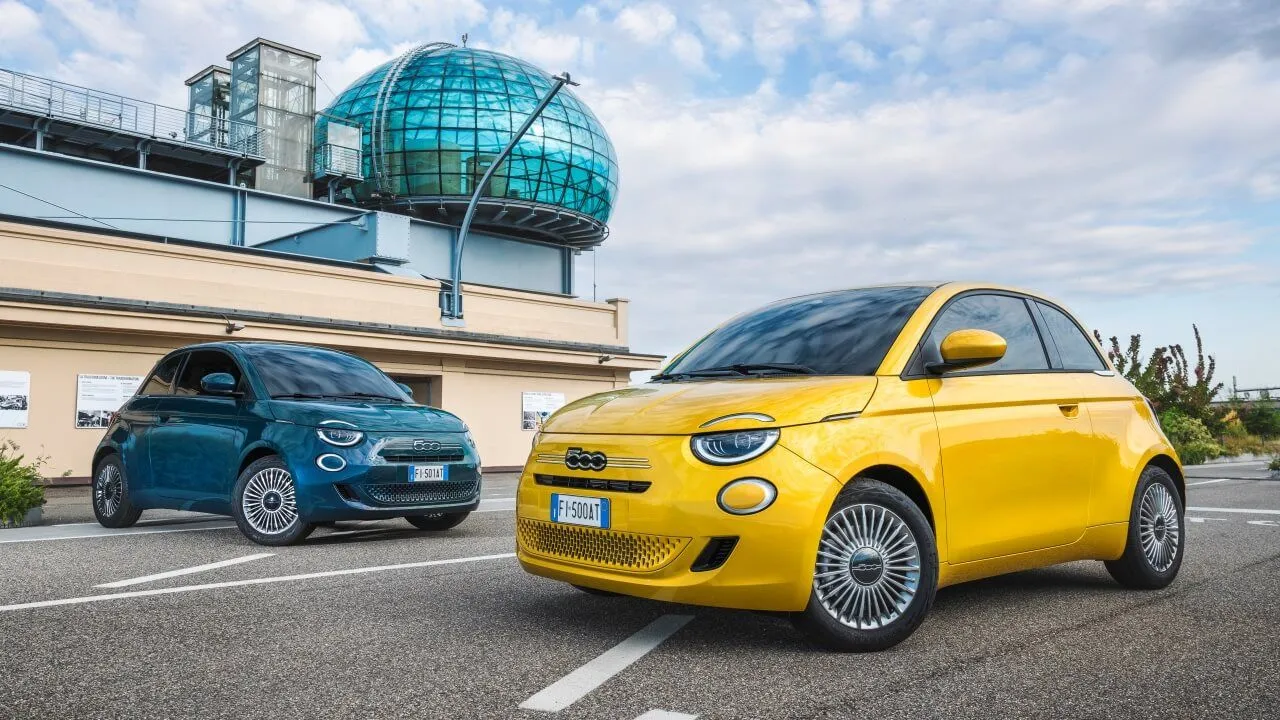
Three of the main political groups in the European Parliament (the conservatives from the European People’s Party, the social democrats from the Progressive Alliance of Socialists and Democrats, and the liberals from Renew Europe) have reached an agreement to relax emissions rules for new cars. However, the deal struck by the negotiators still needs to be ratified by the political groups.
The agreement calls for new car models to achieve an average carbon dioxide emission reduction of 87.5% by 2035 compared to 2021 levels (the European Commission’s previous target was 90%). Manufacturers can earn an additional 7.5% reduction if they use low-emission steel produced within the European Union.
For commercial vehicles, the projected reduction is 80%. The intermediate reduction targets (by 2030) will be 55% for passenger cars and 35% for light commercial vehicles; however, manufacturers can meet these targets using the average figure from 2029 to 2031. Another new development is that vehicles powered by renewable fuels can be considered zero-emission.
Finally, additional emission credits are also planned for smaller electric cars manufactured in Europe. The European Commission previously proposed creating a new category (M1E) for electric passenger cars up to 4.2 meters in length, which could benefit from a range of incentives to boost their production.
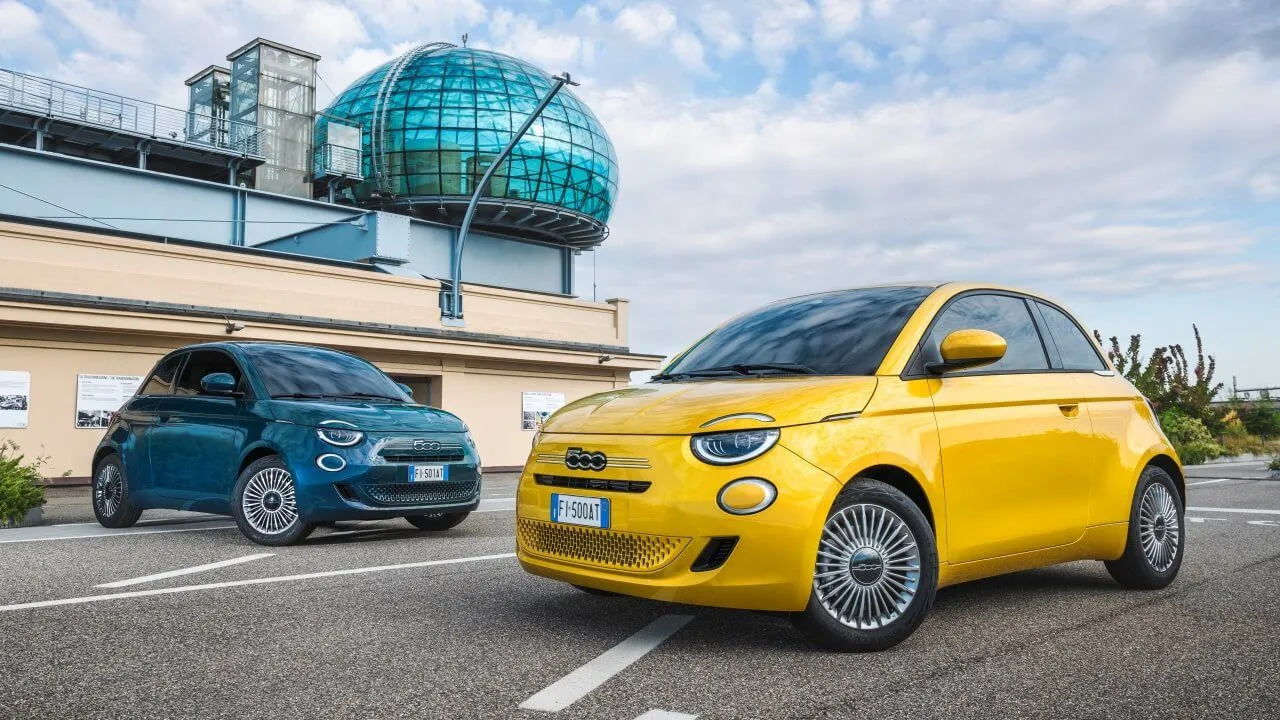
Small and affordable electric cars will receive support from the European Union
Among other things, it was proposed that each M1E sold count as 1.3 vehicles when calculating average emissions; thus, the more small electric cars a manufacturer sells, the easier it will be for them to meet their emission reduction targets. It is not yet clear whether this will ultimately become the final formula.
On the other hand, the European Commission has also opened the door for M1E vehicles to receive additional tax benefits in order to make them more attractive to consumers. An agreement among the three major parliamentary groups could facilitate the advancement of this new regulation, which has not seen any further developments since its announcement last year.
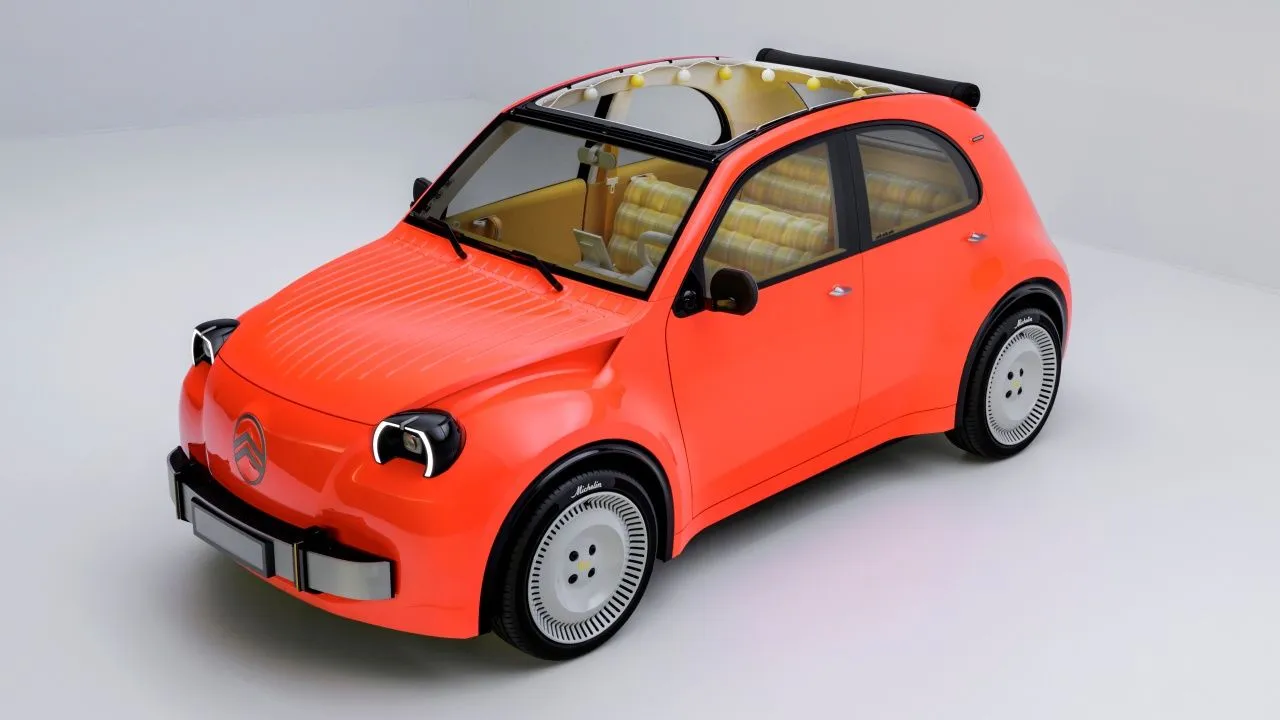
The promise of the new M1E category is encouraging more and more manufacturers to invest in small, efficient, and affordable electric cars. Proof of this is Stellantis’ E-Car project, under which models such as the new Citroën 2CV are being developed, with an aim to price it at around 15,000 euros before subsidies.
Source | ecomento