
Autonomous driving: Nissan to release a driverless Leaf on the streets of Cambridge
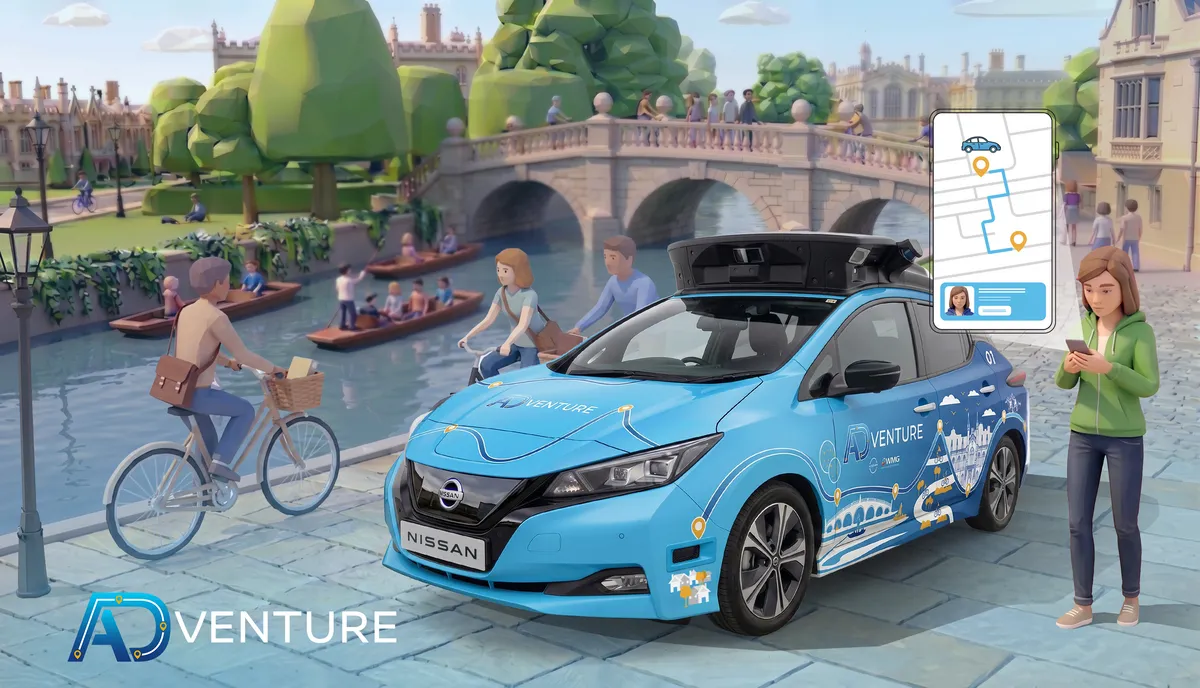
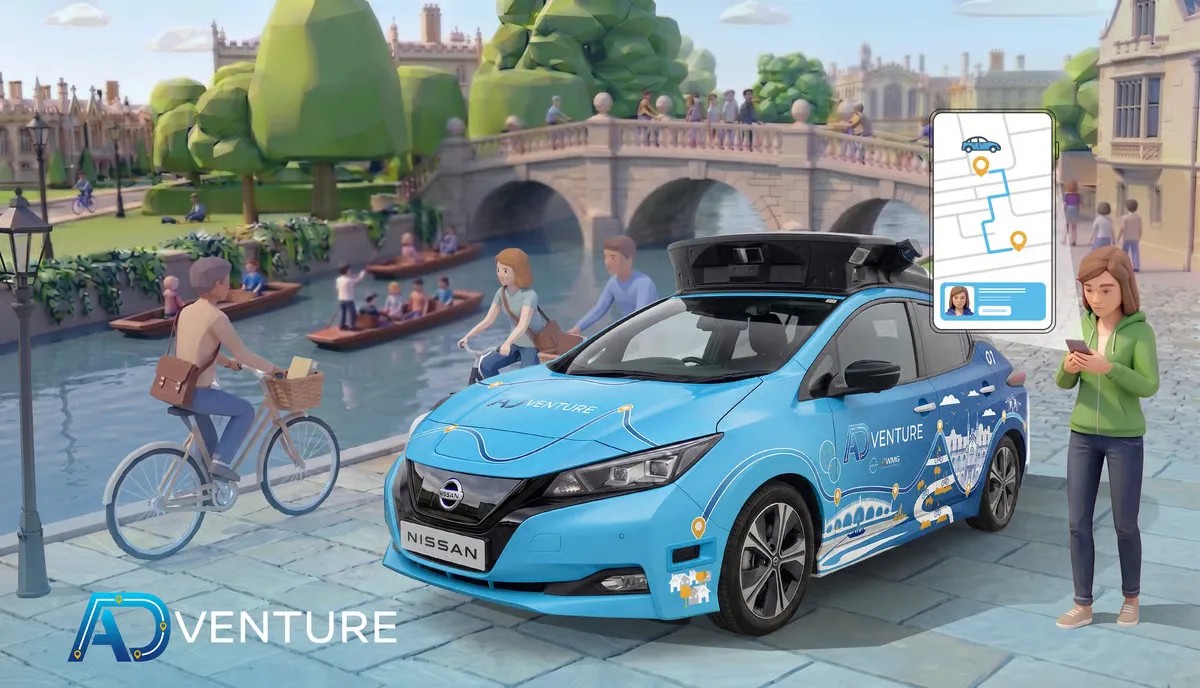
Nissan continues its work on autonomous driving with a new project called ADventure. Funded by the UK government at 3 million pounds (3.5 million euros), this program will allow testing of a Leaf equipped with various technologies on the open roads of Cambridge.
It might not seem like it, but Nissan has been working on autonomous driving for over a decade. After accumulating miles through several research programs in the UK, the Japanese company now aims to take things to the next level. With ADventure, the question is whether this technology can truly benefit the public.
A Nissan Leaf as a mobile laboratory
The project will be carried out in Cambridge, a city chosen especially for its expertise in new forms of mobility and autonomous driving. A specially equipped 2022 Nissan Leaf will serve as the test vehicle. This car has already been used in previous British research programs.
Also read
Tesla FSD: Speeding issues that could complicate its rollout in Europe
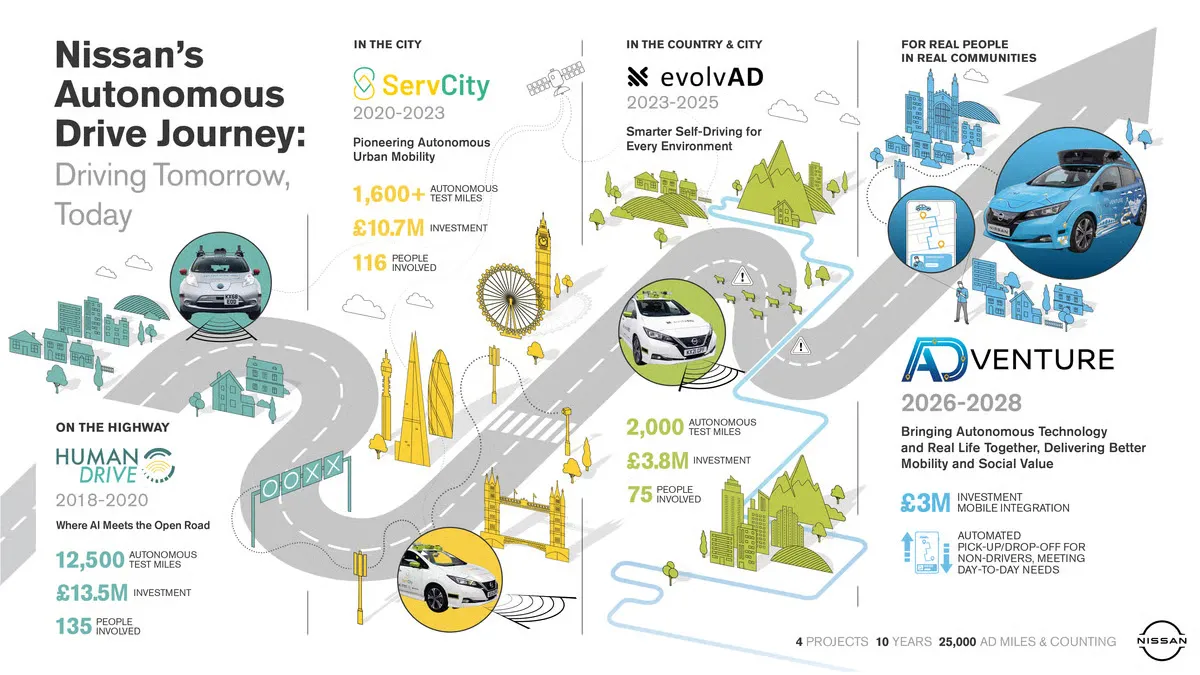
Nissan is not starting from scratch. The HumanDrive, ServCity, and evolvAD projects have already allowed the manufacturer to test its autonomous systems in very different environments. In total, these three previous programs accumulated over 25,700 kilometers of autonomous driving in eight years.
It’s not just a technology issue
Beyond technology, ADventure will focus primarily on the practical use of these vehicles. Nissan will work with local authorities, residents, and transportation users to determine how autonomous services could complement existing solutions. The manufacturer provides a very concrete example: an autonomous car could enable someone who cannot drive to get to a medical appointment. Accessibility is one of the main priorities of the program, along with safety and integration into existing transportation networks.
Another challenge will be trust. Through collaboration with Warwick Manufacturing Group at the University of Warwick and PAVE UK, Nissan aims to determine what information and assurances are needed for passengers to truly accept riding in a vehicle capable of operating without a driver.
Tests on public roads
The program is funded by the UK government with 3 million pounds (approximately 3.5 million euros). The Nissan Leaf will be tested under real-world conditions on public roads in Cambridge. The goal goes beyond this: Nissan wants to use these experiments to develop a model that can be replicated elsewhere in the UK, as a way to prepare for the transition from autonomous prototypes to actual mobility services.
But isn’t it too late?
It’s hard not to compare this experiment with what’s already happening in the United States. While Nissan is still working on a pilot project in Cambridge, Waymo already operates real driverless commercial services in several major American cities. Alphabet’s company has accumulated over 430 million kilometers of fully autonomous driving and continues to expand its network. Tesla is also making progress in this area with its own robotaxi services in several American cities.
Nissan appears to be moving forward at a more cautious pace. This apparent delay is also due to a different strategy: the Japanese automaker focuses less on deploying a commercial fleet and more on integrating these vehicles into existing transportation systems, gaining public acceptance, and identifying practical uses. Yet as Waymo, Tesla, Zoox, and several Chinese companies accelerate, the Adventure project shows that Nissan still has a long way to go before it can offer an autonomous service on a large scale.
