
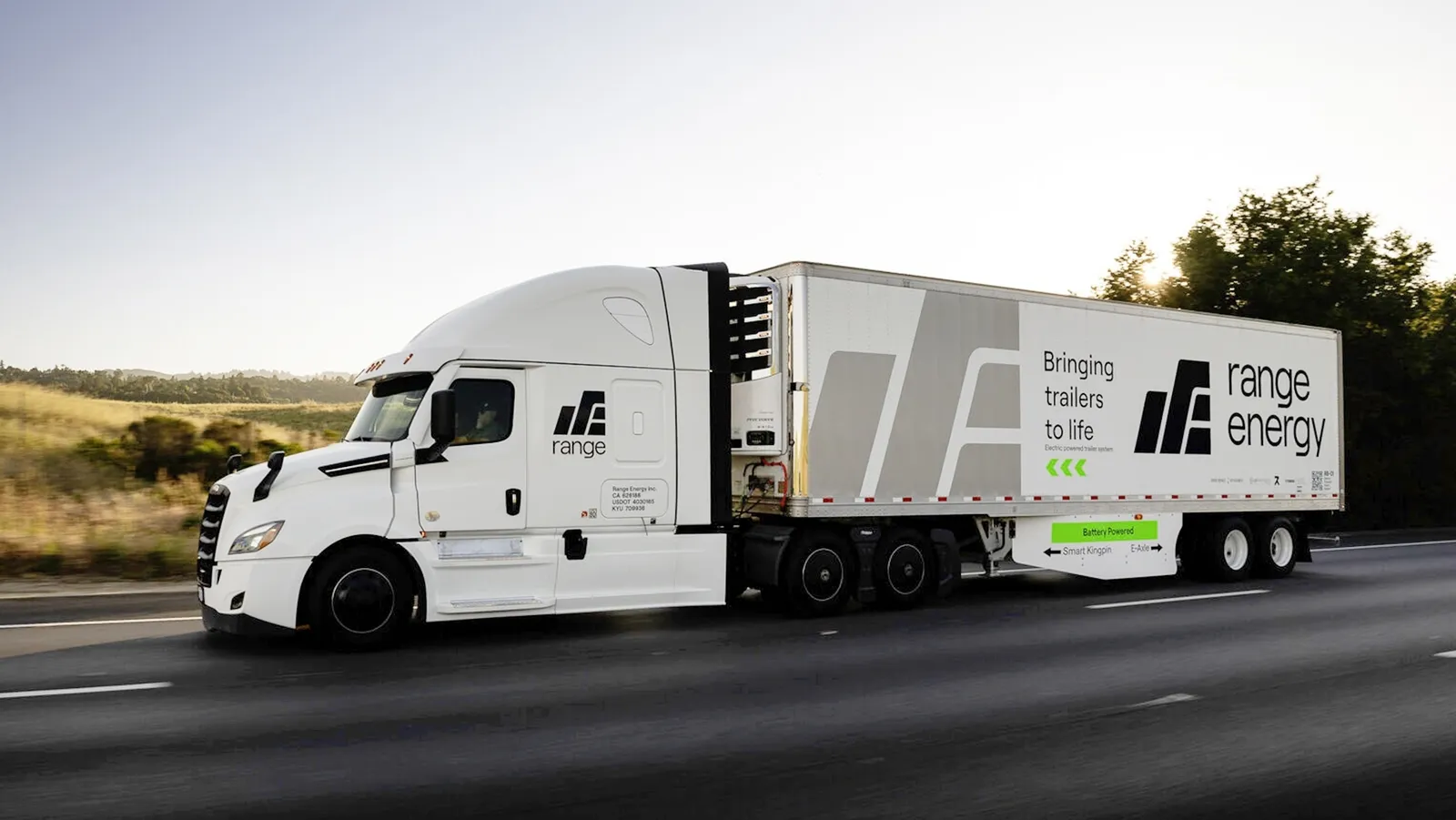
With such high-performance fuels, this trailer transforms a diesel truck into a hybrid vehicle, reducing fuel consumption by up to 70%.
28/10/2026 11:00
Updated to
28/10/2026 11:00
The rising cost of fuels is forcing transportation companies to seek alternatives to reduce their operating expenses. Although electric trucks represent one solution, replacing a diesel fleet requires significant investment that not all companies can afford. For this reason, an American company has developed a technology that allows reducing the fuel consumption of conventional diesel trucks without needing to modify their engines or replace them with new vehicles.
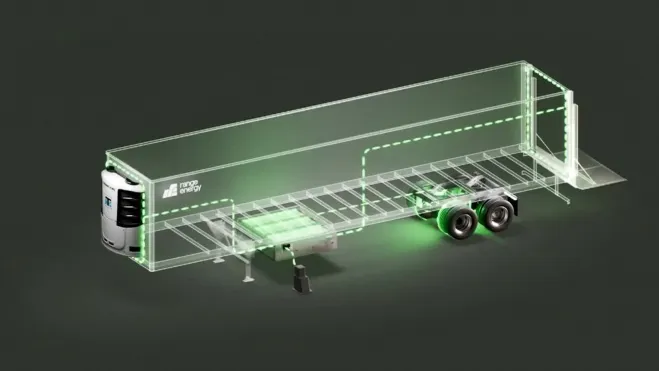
This is Range Energy, a company founded by former Tesla employees, which has developed an electric trailer called the 'eTrailer'. This system includes a battery and electric motors that help propel the entire setup, effectively turning a conventional diesel truck into a hybrid vehicle. The company has just released an analysis comparing the cost savings of its technology to those of a fully electric Tesla Semi.
A trailer that can improve efficiency by up to 70%
The main feature of the eTrailer is that all its electric technology is installed in the trailer itself. Its motors provide assistance while driving, reducing the load on the diesel engine and thus its fuel consumption. Additionally, it features regenerative braking to recover energy during deceleration and store it in its battery. This has made the test results conducted by Range Energy particularly impressive within the industry.
In various tests, the company has recorded fuel consumption reductions of 36% and claims savings of up to 40% under certain conditions. However, in a pilot program conducted with a poultry farm in California, the improvement in energy efficiency ranged from 50% to 70%, representing a truly significant financial savings.
However, it is important to clarify that improving efficiency by 70% does not mean using 70% less fuel. They are different measurements, though both reflect the potential of this technology. Another advantage is that the trailer can be used with conventional tractor units, eliminating the need to replace an entire fleet of transport vehicles immediately.
Economic savings that can compete with the Tesla Semi
Range Energy has now published a study comparing the operating costs of its eTrailer to those of the Tesla Semi. The analysis examines various transportation scenarios, particularly those involving refrigerated trailers, and concludes that both technologies can achieve significant cost savings over traditional diesel trucks.
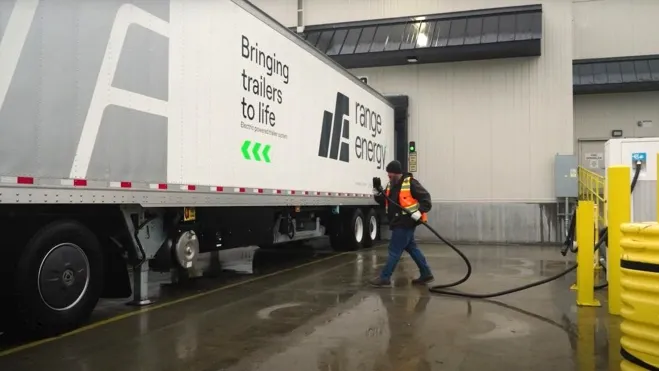
According to the company’s calculations, its electric trailer offers slightly better savings than the Tesla Semi in most of the analyzed scenarios. A key factor is the cost of charging, as using public chargers can be considerably more expensive than having one’s own infrastructure. Additionally, the eTrailer can power the refrigeration systems electrically, eliminating the need for a separate diesel generator.
However, the report was prepared by Range Energy itself and has certain limitations. It does not account for some economic factors, such as vehicle financing or potential government subsidies, nor does it use actual operational data from the Tesla Semi. Therefore, its conclusions should be viewed as estimates rather than a definitive proof that the eTrailer is more profitable.
An alternative set to hit the market by late 2027
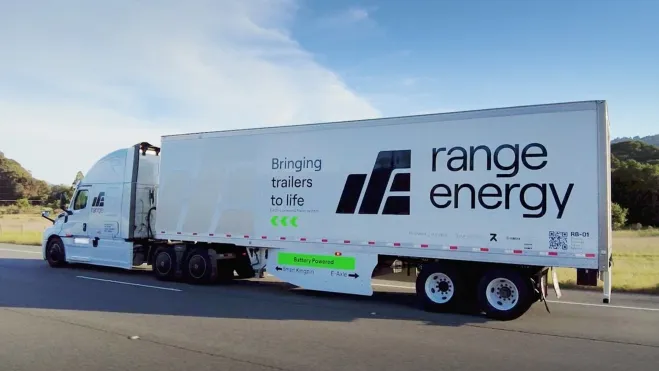
Another interesting feature of this technology is that it isn’t limited to diesel trucks. The trailer can also be attached to fully electric tractor units, providing additional assistance and reducing the energy needed to transport goods. In this way, it could help increase the range of heavy electric vehicles. For now, Range Energy continues to develop its product through prototypes and pilot programs.
The company plans to begin large-scale production by the end of 2027, so it will still be some time before its results in broader commercial operations can be confirmed. In any case, its proposal offers a different approach to electrifying heavy transportation. Rather than directly replacing diesel trucks, it allows existing vehicles to be utilized while reducing their fuel consumption through a component that has traditionally been used solely for transporting goods, such as the trailer itself.