
With the €1,190,000,000 cut, Lucid’s CEO speaks of the shift toward electric mobility: “We are living in an exciting time.”
27/09/2026 14:30
Updated to
27/09/2026 14:30
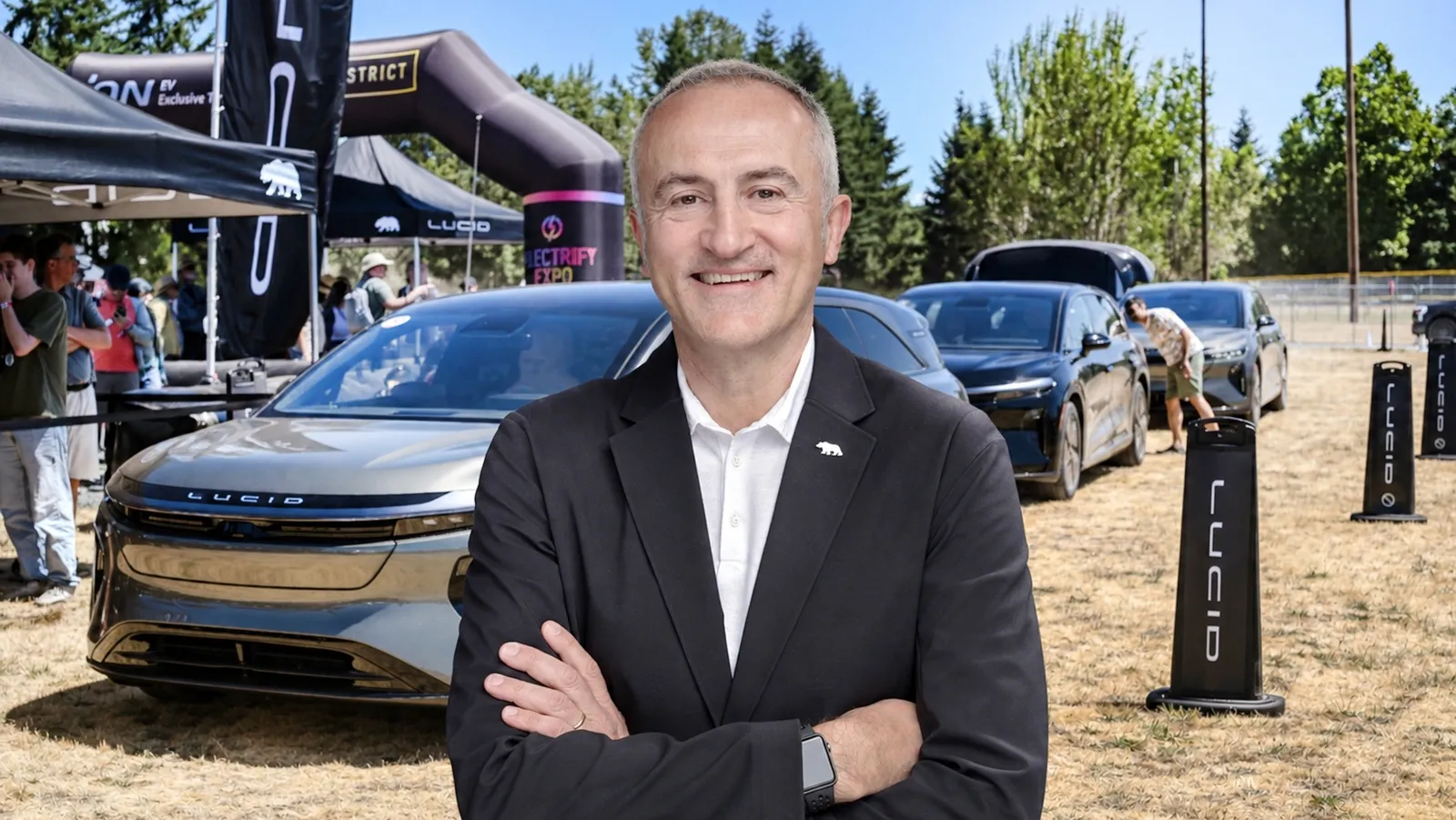
Lucid is going through one of the most critical moments since its founding. Its CEO, Silvio Napoli, maintains an optimistic outlook for the future of electric mobility despite acknowledging the challenges the company is facing in its transformation. “It’s an exciting time,” the executive said in an interview with Automotive News, though he admitted that it was necessary to implement “tough measures” sooner rather than later.
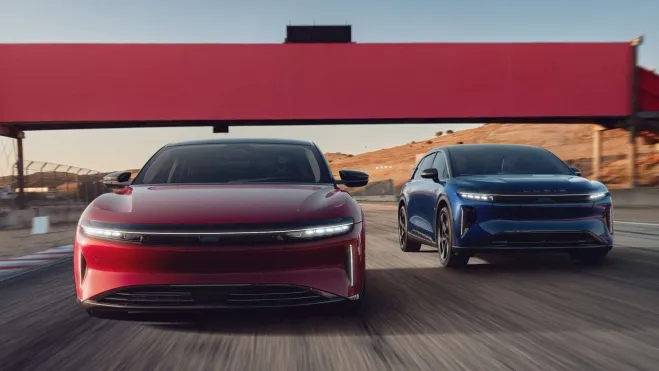
Napoli took control of Lucid at the beginning of this year and has since launched a thorough review of its operations. The immediate goal is to cut costs and create a more efficient corporate structure, but there is a much more important long-term goal behind it. Lucid wants to move beyond relying solely on luxury electric cars like the Air and Gravity and reach a much broader audience with a new line of mid-size models.
Lucid aims to save $1.4 billion
The company hired the restructuring specialist firm AlixPartners to assist with this process, a relationship that has now ended. Lucid aims to achieve savings of approximately 1.190 million euros (1.400 million dollars at current exchange rates) by 2026. Meanwhile, Napoli continues with an operational review aimed at optimizing its business, cutting costs, and preparing the launch of its next electric vehicles.
The restructuring has already resulted in changes within the management team, staff reductions, and various cost-saving measures. Lucid arrives amid a challenging 2025 marked by production and supply issues, as well as significant changes in U.S. trade policies related to electric vehicles. On top of this is persistent weak demand from consumers in its home market.
The company is also seeking new sources of revenue, which leads to the robotaxi business. Lucid aims to sell more vehicles to major autonomous mobility platforms and has recently reached a significant deal with Bolt. The European company plans to deploy at least 25,000 autonomous vehicles built on Lucid’s upcoming mid-size platform in various European cities.
More Affordable Electric Cars to Change Lucid’s Future
The new ‘Midsize’ platform is likely the most important element of this transformation. Lucid has built its reputation so far around the Air and later the Gravity, two luxury electric vehicles with high prices. Future midsize models should enable it to compete in segments with much larger volumes and significantly reduce the price required to own one of its cars.
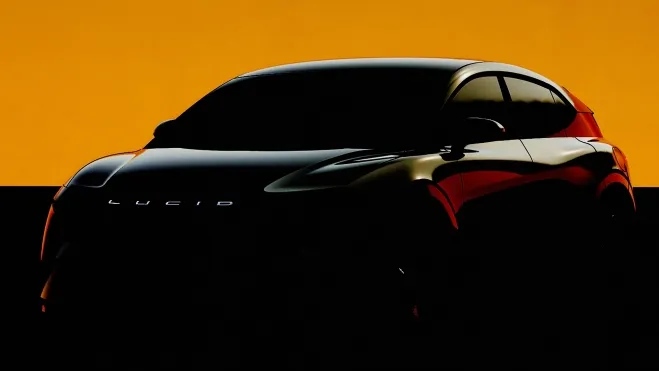
It won’t be a single vehicle either. Lucid plans to develop several models using the same platform to take advantage of scale economies and share development costs. Efficiency will remain one of the company’s core principles, aiming for high levels of autonomy without necessarily relying on large and expensive batteries. The first of these new cars is also set to arrive in Europe.
This architecture will also hold special significance for the autonomous driving business. The deal with Bolt involves vehicles prepared for SAE Level 4 systems and built on Nvidia Hyperion. Lucid had previously reached another agreement with Uber and Nuro to introduce autonomous vehicles based on the Gravity platform, with plans later to use their future mid-size electric models as well.
Napoli faces two closely related challenges. First, it needs to make Lucid a significantly more efficient company and cut costs during a period of growth. Next, it must prove that the technology used to create luxury electric vehicles like the Air and Gravity can be applied to more affordable cars produced in much larger volumes. It is this shift that explains why, despite the restructuring and cost cuts, the CEO believes the company is now in an “exciting moment.”