
With an electric look but a completely different engine, it will be nearly impossible to distinguish the gasoline-powered Series 3 from the zero-emission i3.
02/10/2026 20:00
Updated to
02/10/2026 20:00
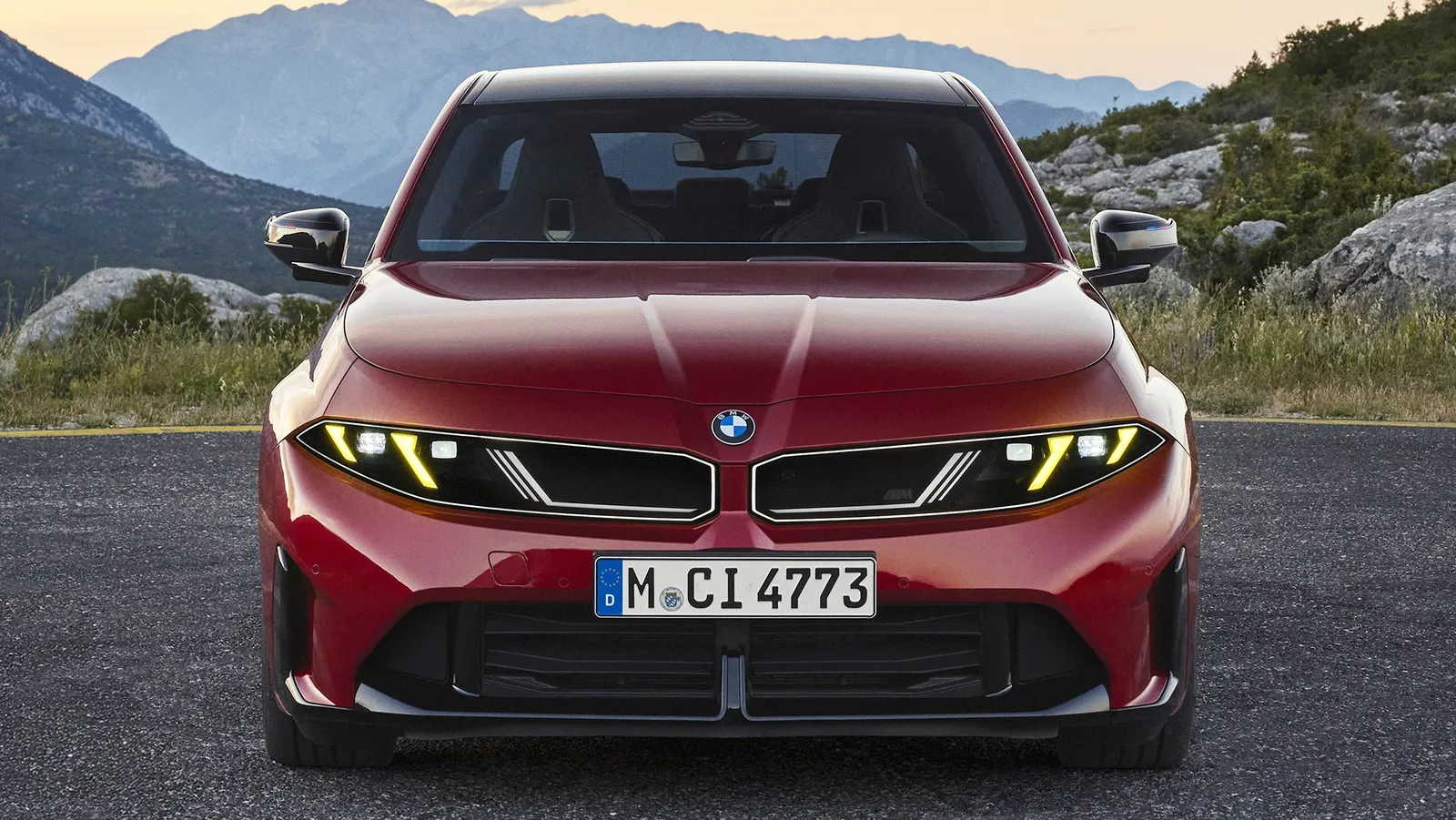
BMW has just unveiled the new generation of one of its most important vehicles. The BMW Series 3 has been completely redesigned, and although it will still offer internal combustion engines, its exterior appearance can be confusing when encountered on the road alongside the new BMW i3 electric car.
This is not by chance. The German company has decided to unify the design of both models and apply the aesthetic language of the Neue Klasse to vehicles with internal combustion engines as well. As a result, the new Series 3 and i3 look virtually identical at first glance, despite using very different technologies under the hood.
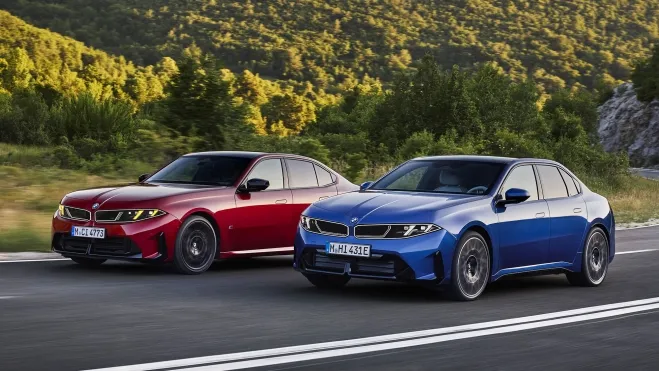
A BMW Series 3 practically identical to the electric i3
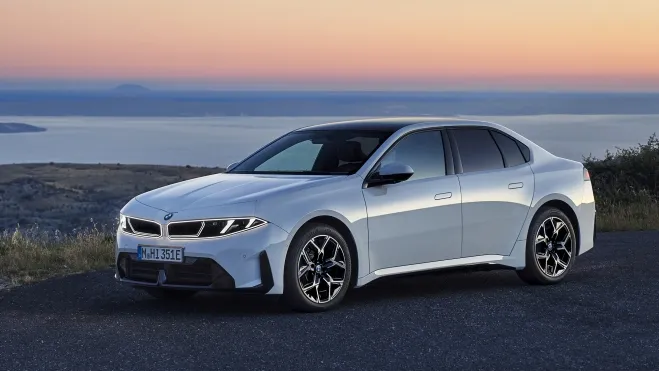
BMW itself acknowledges that the electric i3 and its internal combustion engine counterparts “differ only in details” related to the propulsion system used. Both share sporty proportions, a longer wheelbase, short overhangs, door handles at the same level, and very pronounced wheel arches.
The new front end is also common to both, where the traditional BMW kidney grilles and headlights visually merge into a single unit. The rear features horizontal lines and very wide fenders. Differences mainly appear in small functional and finishing elements. The i3 can use tires ranging from 19 to 21 inches, while the internal combustion engine Series 3 models will use tires between 18 and 20 inches.
The strategy represents a break from what has happened in recent years. BMW no longer needs to provide a distinctly separate identity for its electric sedan; instead, it integrates all the mechanical elements under a virtually unified design. The traditional Series 3 fully adopts the language of the Neue Klasse introduced with the company’s new generation of electric vehicles. In fact, this philosophy has made BMW the best-selling brand among the renowned “German 3s.”
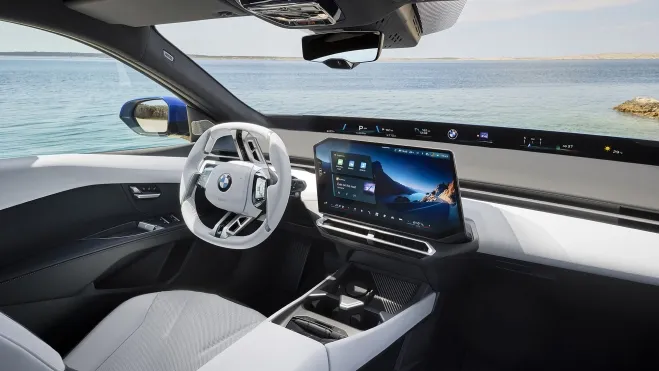
They also share almost all of the interior design.
The similarities continue once the doors are opened. The Series 3 adopts the same minimalist approach as the Neue Klasse and uses BMW’s Panoramic iDrive system. The conventional instrument panel gives way to the Panoramic Vision, which projects information along the lower part of the windshield, optionally supplemented by a 3D Head-Up Display.
In the center is a 17.9-inch screen clearly oriented toward the driver. BMW also introduces a steering wheel with a distinctive central hub at its top, along with various physical controls integrated into it. The system allows customization of vehicle information, lighting, sound, and functionality through different My Modes.
The brand will offer four different interior themes along with optional features such as M sports seats, multifunctional seats, heating for the rear seats, or Harman Kardon audio systems. A large panoramic roof completes the cabin, which once again makes it difficult to determine whether we are inside an electric i3 or a Series 3 with a combustion engine.
Plug-in hybrids will arrive in 2027
The combustion engine lineup will begin with gasoline engines powered by lightweight 48 V hybrid systems. Later on, the 320 will serve as the entry-level model, while at the top end the M350 xDrive will initially be available, equipped with BMW’s signature six-cylinder in-line engine and 443 horsepower. This top variant also features Drift Moment, a function that allows power to be sent exclusively to the rear axle.
But the lineup won’t be complete at launch. BMW has officially confirmed that it will add a plug-in hybrid version to the new Series 3 within the next year. Sources like Autocar estimate that the PHEV models will arrive in 2027, though there are currently no official details regarding their power output, battery capacity, or electric range. Therefore, any specific figures for these future versions would still be speculative.
It will be a particularly interesting alternative because it will allow BMW to include gasoline, mild hybrid, plug-in hybrid technology, and fully electric powertrains within the same family. And this time, choosing one mechanism over another won’t mean acquiring cars that look significantly different from each other.
