
With 800 units and 70 stations, the push against diesel trucks continues in Europe: 8 giants join forces to promote hydrogen
19/09/2026 11:15
Updated to
19/09/2026 11:15
Battery electric trucks are advancing rapidly, but a significant portion of the European industry still sees potential for hydrogen in long-distance heavy transport. Eight major companies recently presented at the IAA Transportation in Hannover a joint plan covering everything from the vehicles themselves to fuel production and the refueling stations needed.
Volvo Group, Daimler Truck, Toyota, Bosch, Air Liquide, TotalEnergies, TEAL Mobility, and MB Energy believe Germany has become the first European country with the necessary conditions to deploy hydrogen trucks on a large scale by 2030. They now aim to use the German model as a reference and urge national governments and the European Commission to take similar actions to expand this across the continent.
100 new trucks and millions of kilometers of testing
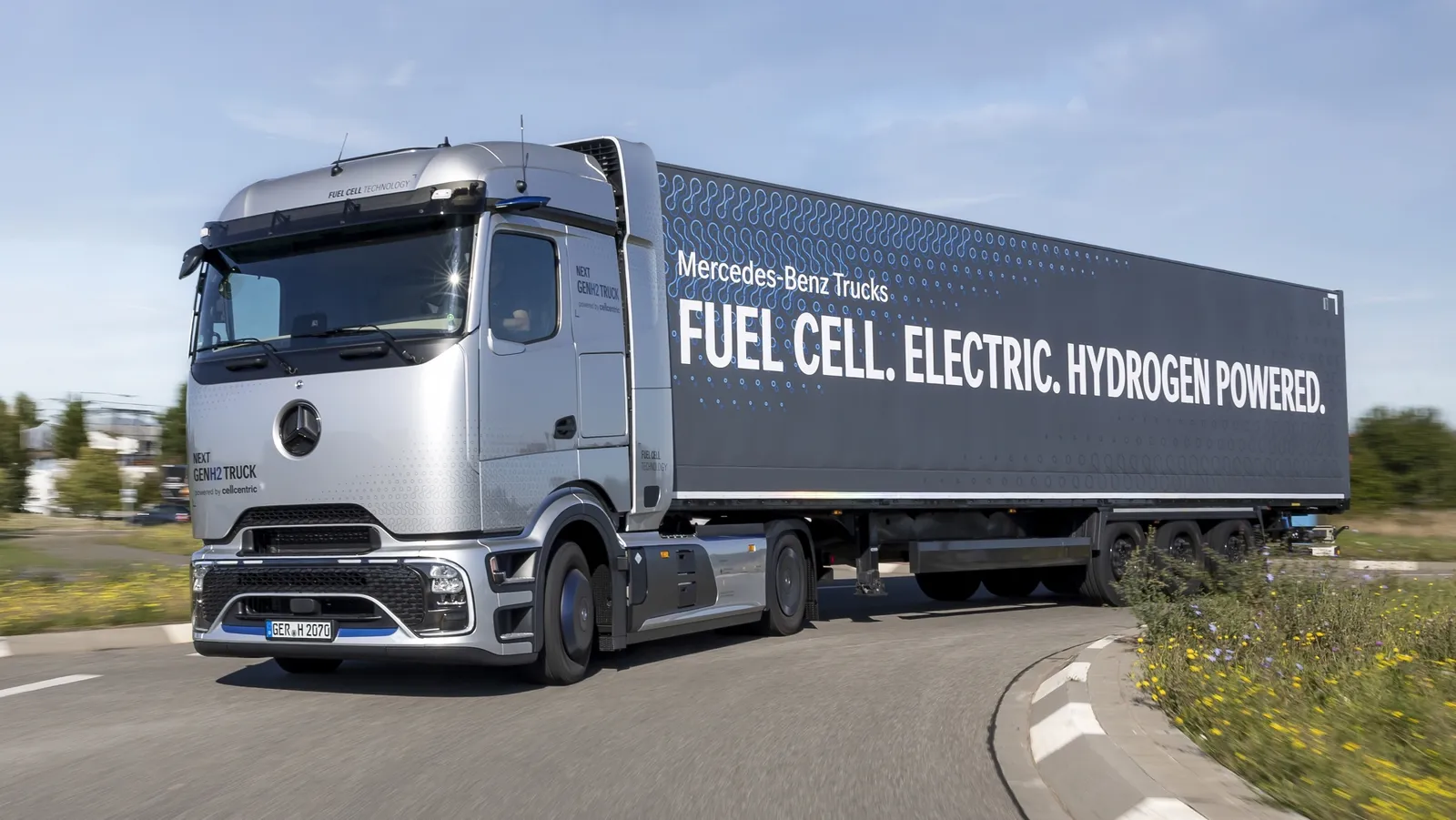
Companies view hydrogen as a complement to battery electric trucks, especially for operations that require long range, high payload capacity, short refueling times, and greater operational flexibility. Daimler Truck is one of the companies that has made the most progress: its customers have already traveled nearly 600,000 kilometers with fuel cell trucks.
The German manufacturer will now move beyond testing. Starting at the end of 2026, it will begin delivering a small series of 100 next-generation fuel cell trucks to customers. Meanwhile, it is preparing its first trucks equipped with combustion engines powered directly by hydrogen for commercial release next year.
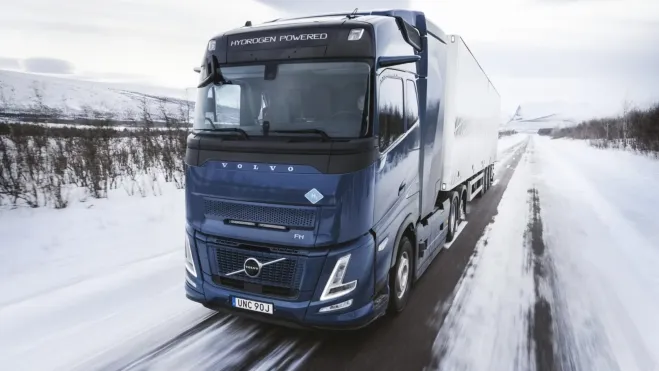
Daimler Truck estimates it will invest several hundred million euros in its hydrogen trucks by the end of this decade. Volvo Group is also working on both fuel cells and hydrogen combustion engines with the goal of introducing these technologies commercially by 2030.
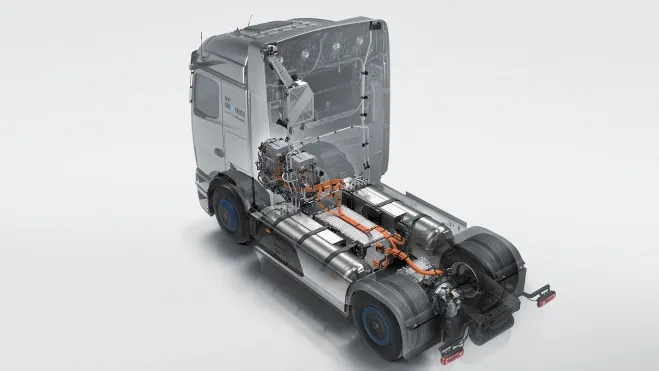
Toyota will bring its over 30 years of experience in developing fuel cell systems, while Bosch will supply components for vehicles using gaseous hydrogen and refueling technologies for both gaseous and liquid hydrogen. Bosch’s fuel cell system has already accumulated more than 30 million kilometers of road mileage.
Stations capable of refueling up to 100 trucks per day
The other major issue lies outside the vehicles themselves. Having trucks available is of little use if there isn’t sufficient hydrogen production or a network of stations capable of supplying them. That’s why the agreement includes Air Liquide, TotalEnergies, and MB Energy as suppliers, along with MB Energy and TEAL Mobility as retail operators. The latter is a joint venture held 50% by TotalEnergies and Air Liquide.
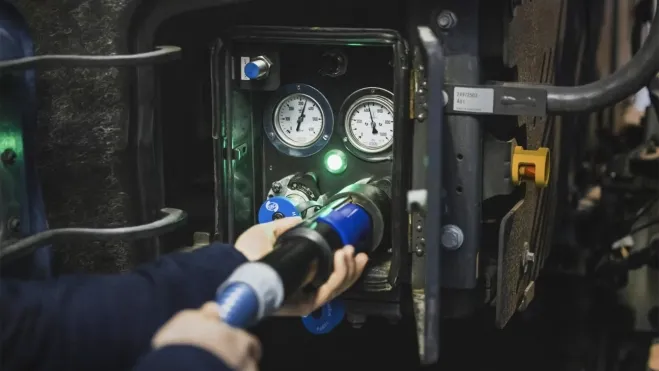
Companies are developing supply chains for both liquid and gaseous hydrogen, as well as building high-capacity stations capable of refueling up to 100 trucks per day. The goal is to achieve sufficient volume to gradually reduce usage costs. Price will be a key factor in this process. The eight partners consider it essential to make the operating cost of these vehicles competitive with that of diesel.
To achieve all this, they identify three key factors: subsidies that initially reduce the cost of trucks until production increases, a competitive price for hydrogen thanks to a larger supply chain and regulatory mechanisms, and usage incentives such as toll exemptions for zero-emission vehicles.